%20(1).png)
2026 Met Gala’s Convergence of Costume Art and K-Culture Supremacy
- 5 may
- 6 min de lectura
The first Monday in May has once again transformed the steps of the Metropolitan Museum of Art into the world’s most exclusive gallery. Under the 2026 theme “Costume Art” and the conceptual dress code “Fashion is Art,” the 78th annual Met Gala served as the grand inauguration of the Condé M. Nast Galleries, the Costume Institute's first permanent 12,000-square-foot home. Co-chaired by Beyoncé, Nicole Kidman, Venus Williams, and Anna Wintour, the evening was not merely a red carpet event but a philosophical dismantling of the boundaries between the dressed body and fine art.
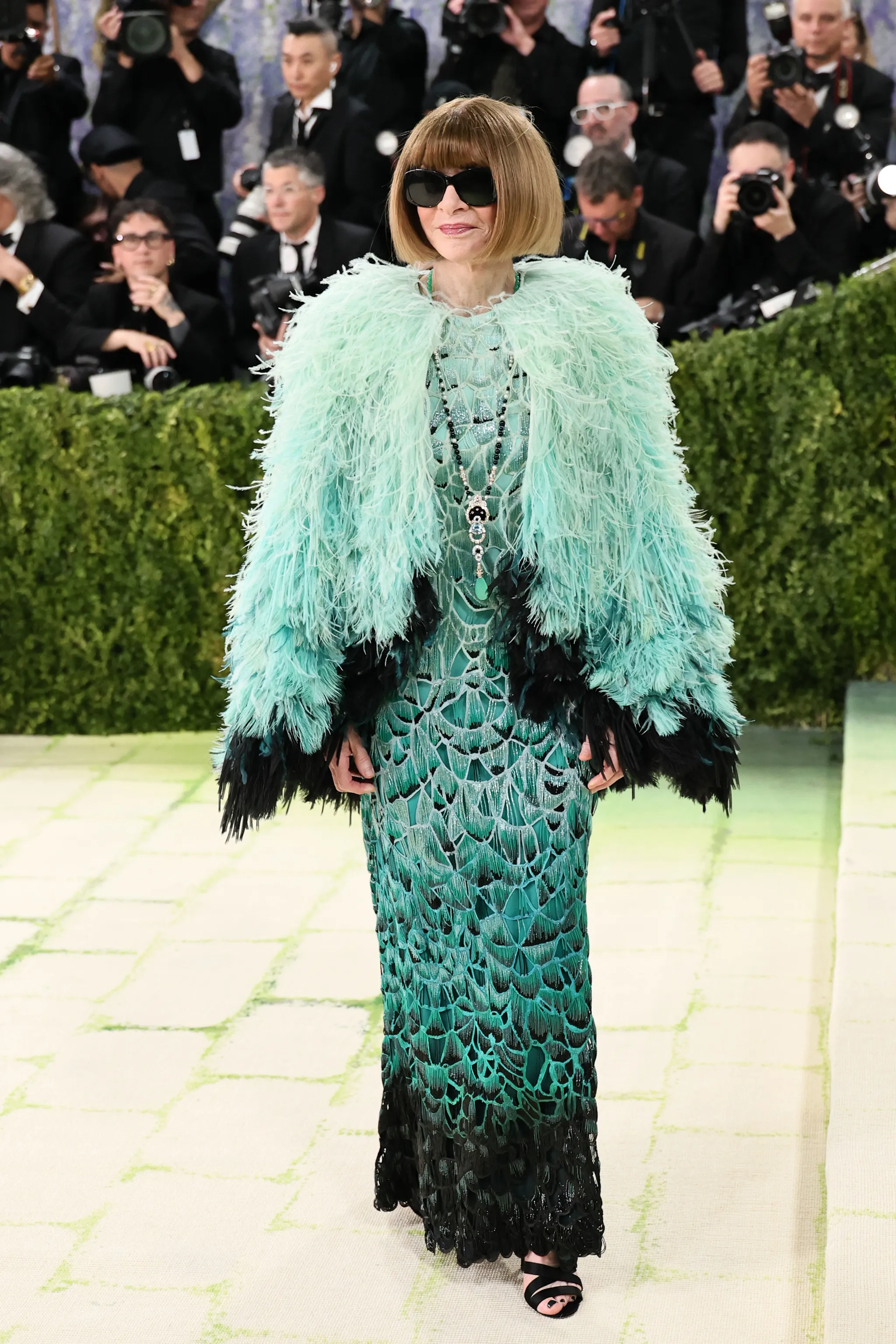
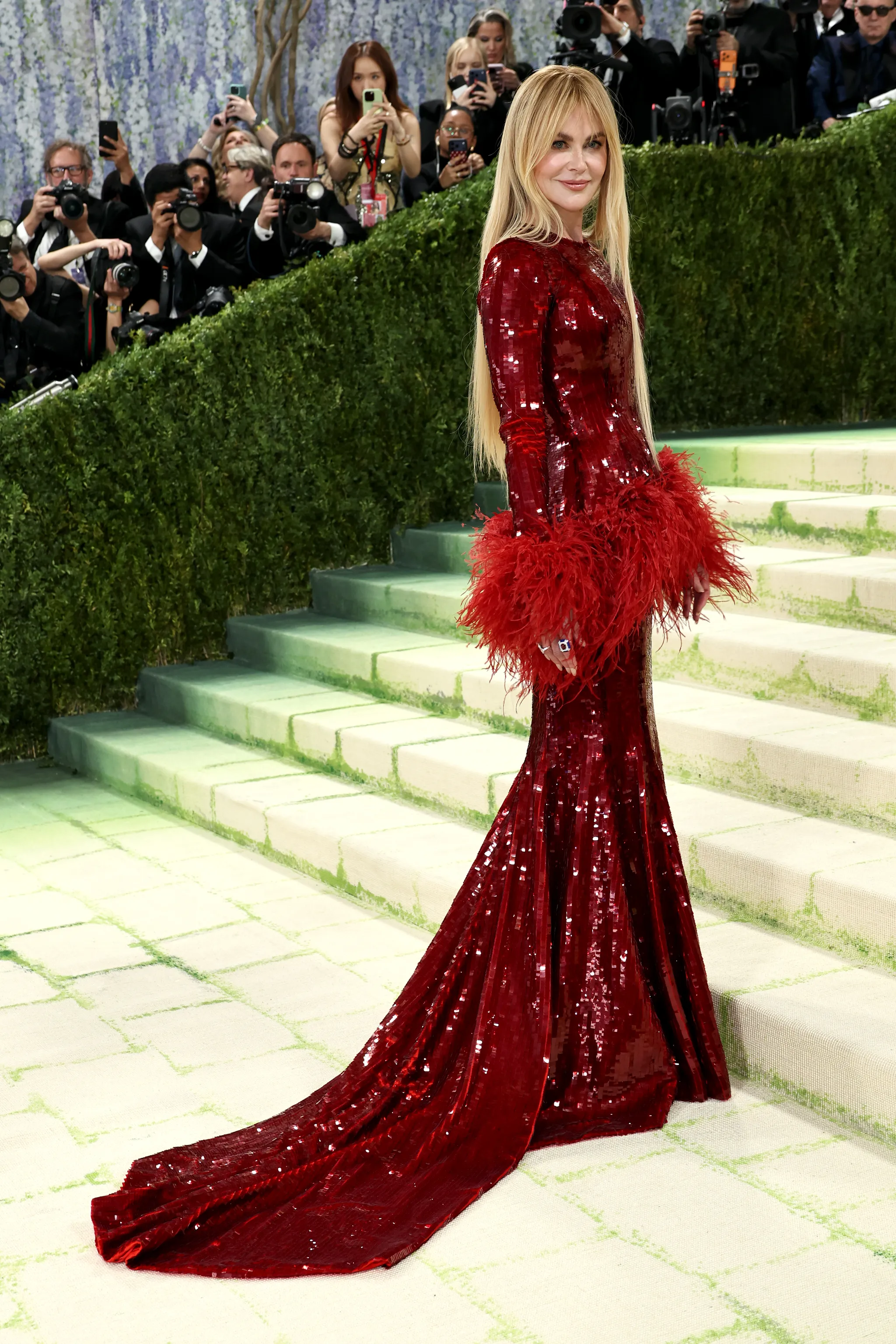
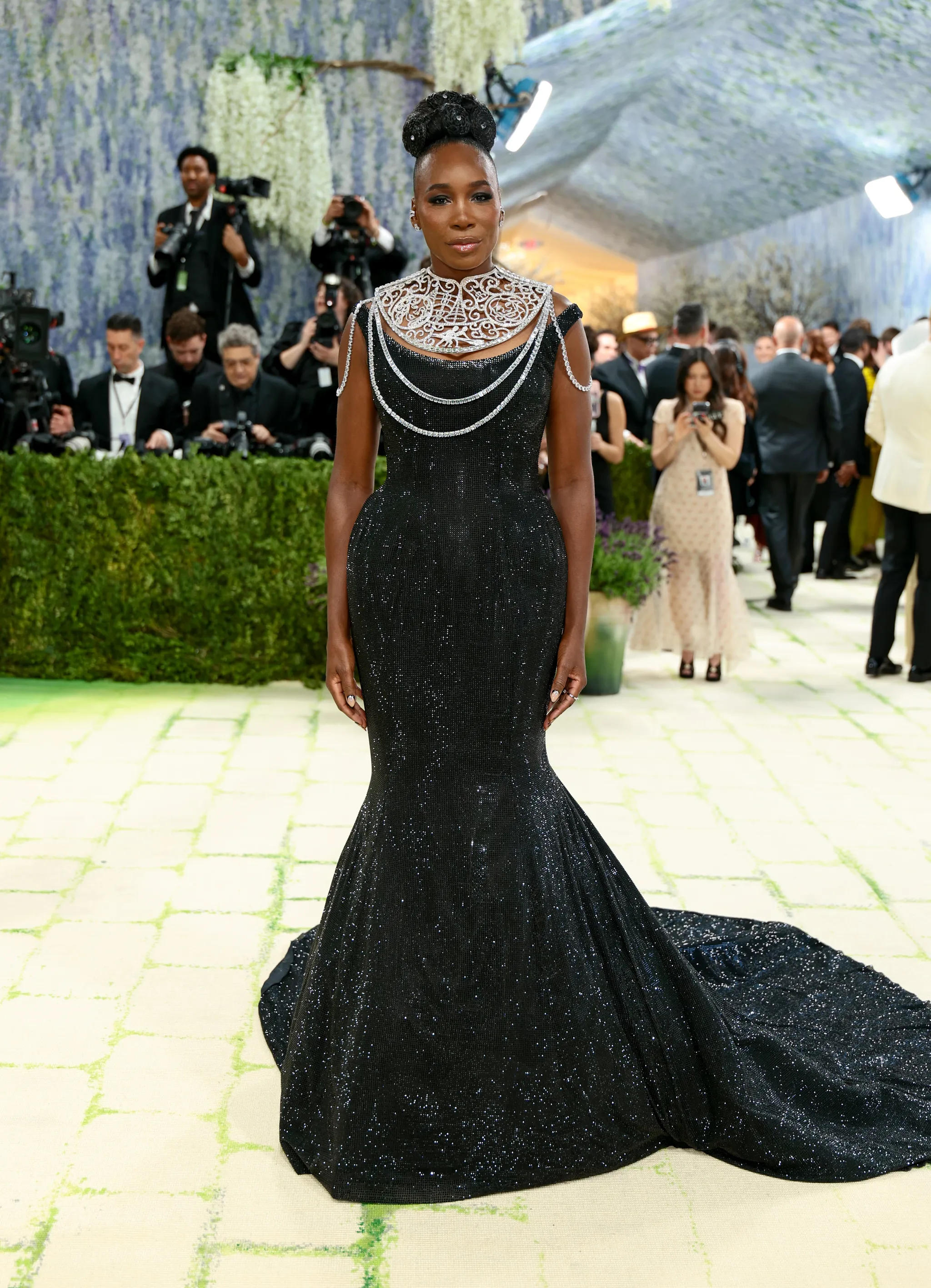
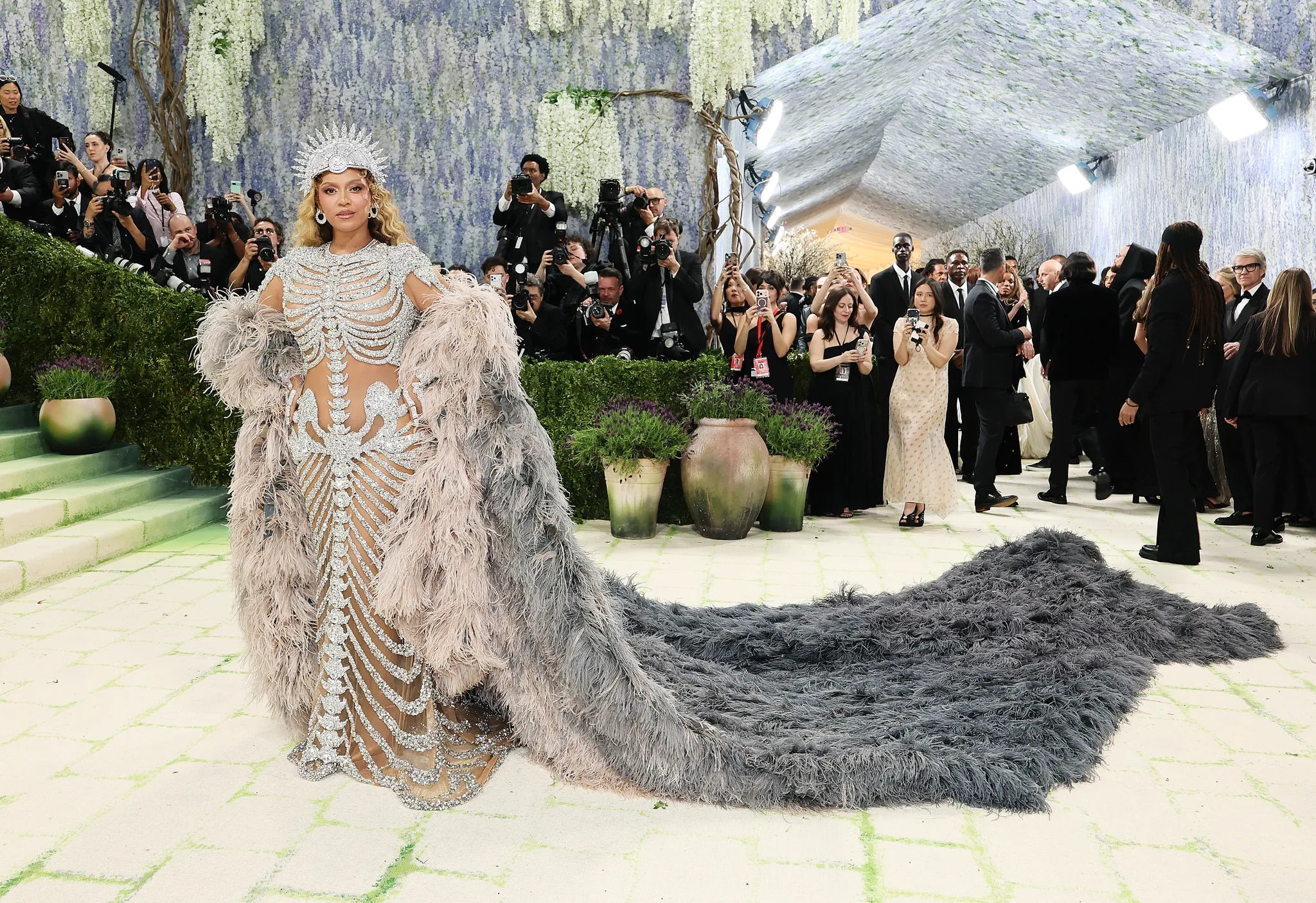
It raised a record-breaking $42 million for the Costume Institute, surpassing last year's record of $31 million. The numbers alone tell you something important: fashion, as a cultural force, has never been more relevant.
The carpet was reimagined as a garden: hanging florals cascading from above, barriers of green hedges, pots of lavender, and a carpet designed to resemble mossy bricks in a deliberate nod to Monet's gardens at Giverny. Before a single look was worn, the venue itself was already a statement.
The dress code "Fashion Is Art" was intentionally open. No specific era, no specific culture, no single aesthetic mandate. Just the invitation to treat clothing as the highest form of creative expression. What that freedom produced was a carpet of extraordinary contrasts: the restrained and the maximalist, the conceptual and the emotional, the historic and the futuristic. And, without a doubt, what was evident throughout was the growing and undeniable influence of Asian ambassadors on fashion culture on the world’s most important stage.
The Costume Institute's accompanying exhibition "Costume Art" explores a question that the fashion world has debated for centuries: can clothing be fine art? For me, the answer is clear: YES. All you have to do is take a trip down memory lane and look back at Galliano’s catwalks and collections, or take a look at the latest collection presented at last Paris Fashion Week by Gaurav Gupta or Valentino ( to name a few ).
For centuries, Western culture treated fashion as something superficial: frivolous, decorative, commercial, and ultimately fleeting. Fine art, on the other hand, was seen as serious and important. The 2026 exhibition directly challenges this old divide. It builds a clear artistic lineage that runs from Elsa Schiaparelli’s groundbreaking collaborations with Salvador Dalí, through Alexander McQueen’s dramatic and theatrical collections, all the way to today’s digital and performance-driven fashion.
On the carpet, the dress code asked something deceptively simple: express your own relationship to fashion as an embodied art form. What that produced was a study in how differently each person , each designer, each stylist, each celebrity , answers that question when they have complete freedom.
The best looks understood that freedom as responsibility. The most memorable ones had a point of view, they had a vision, a story.
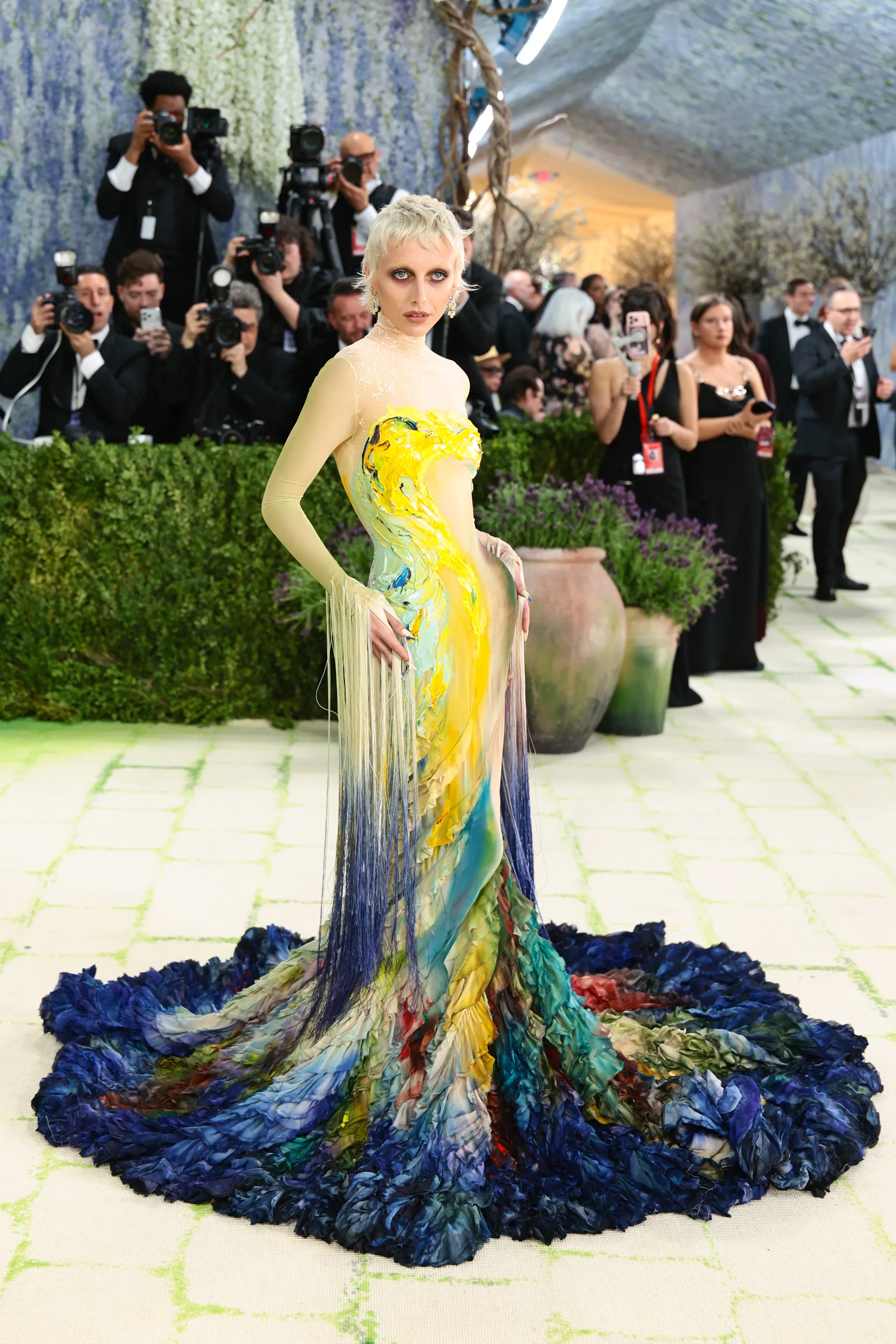
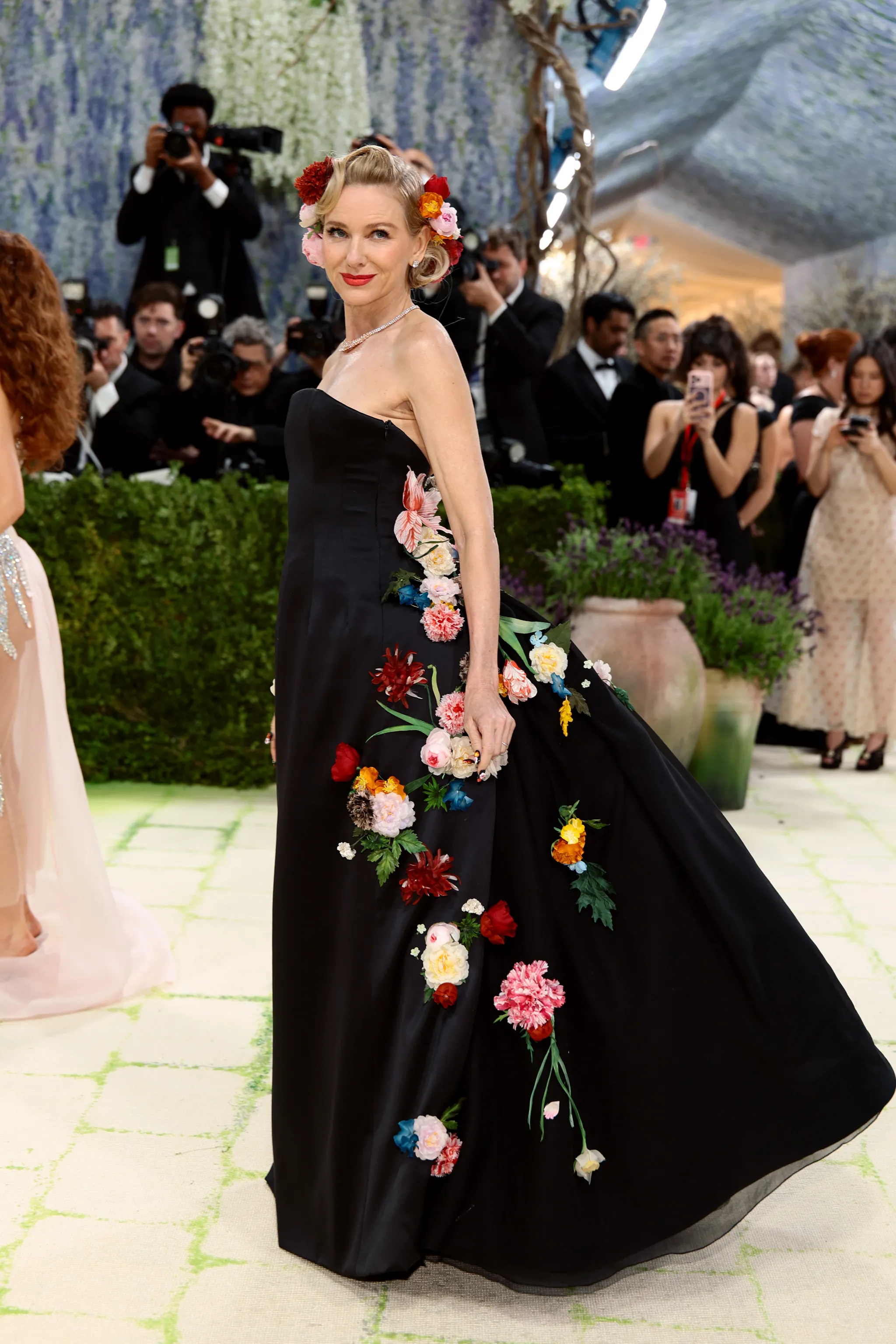
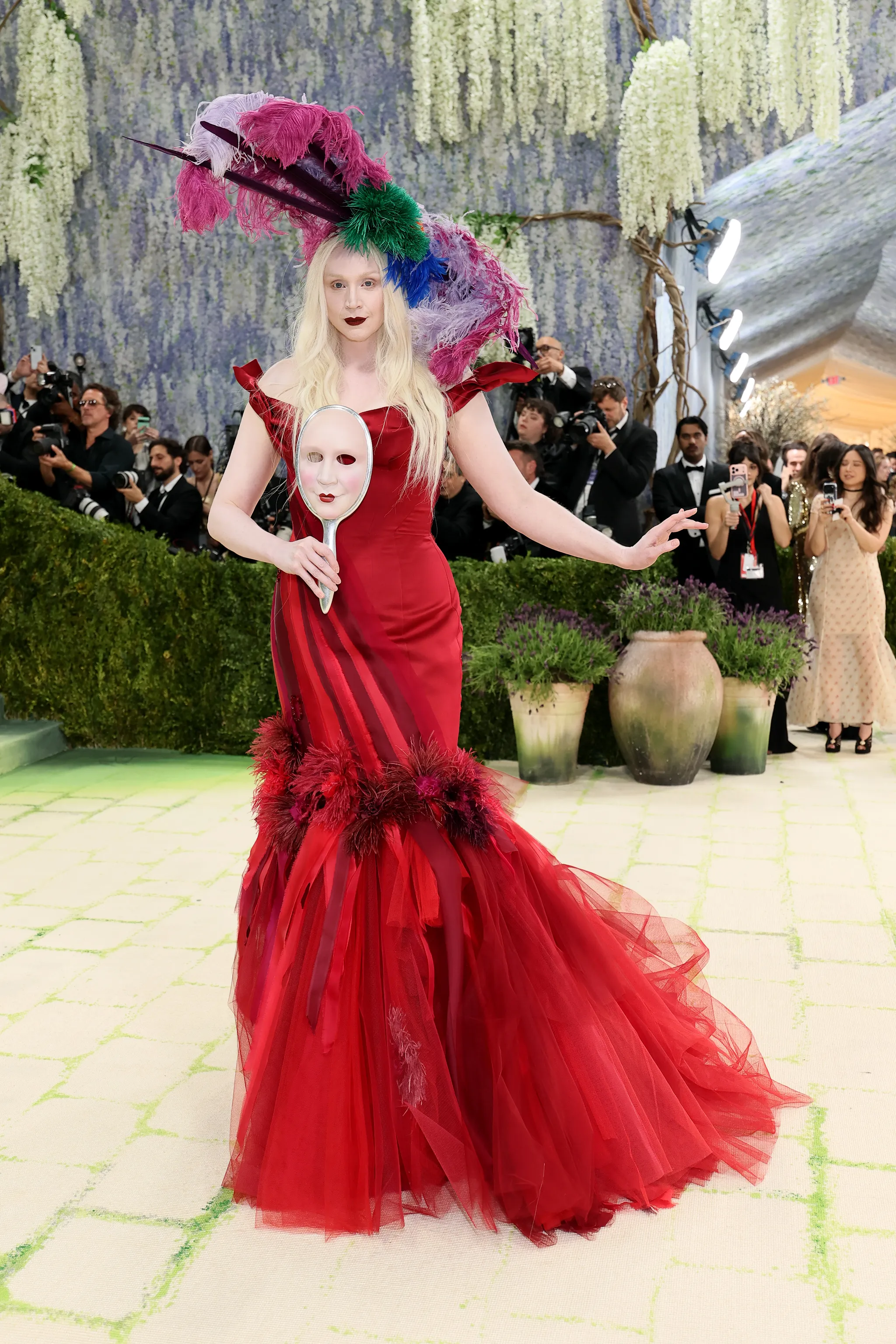
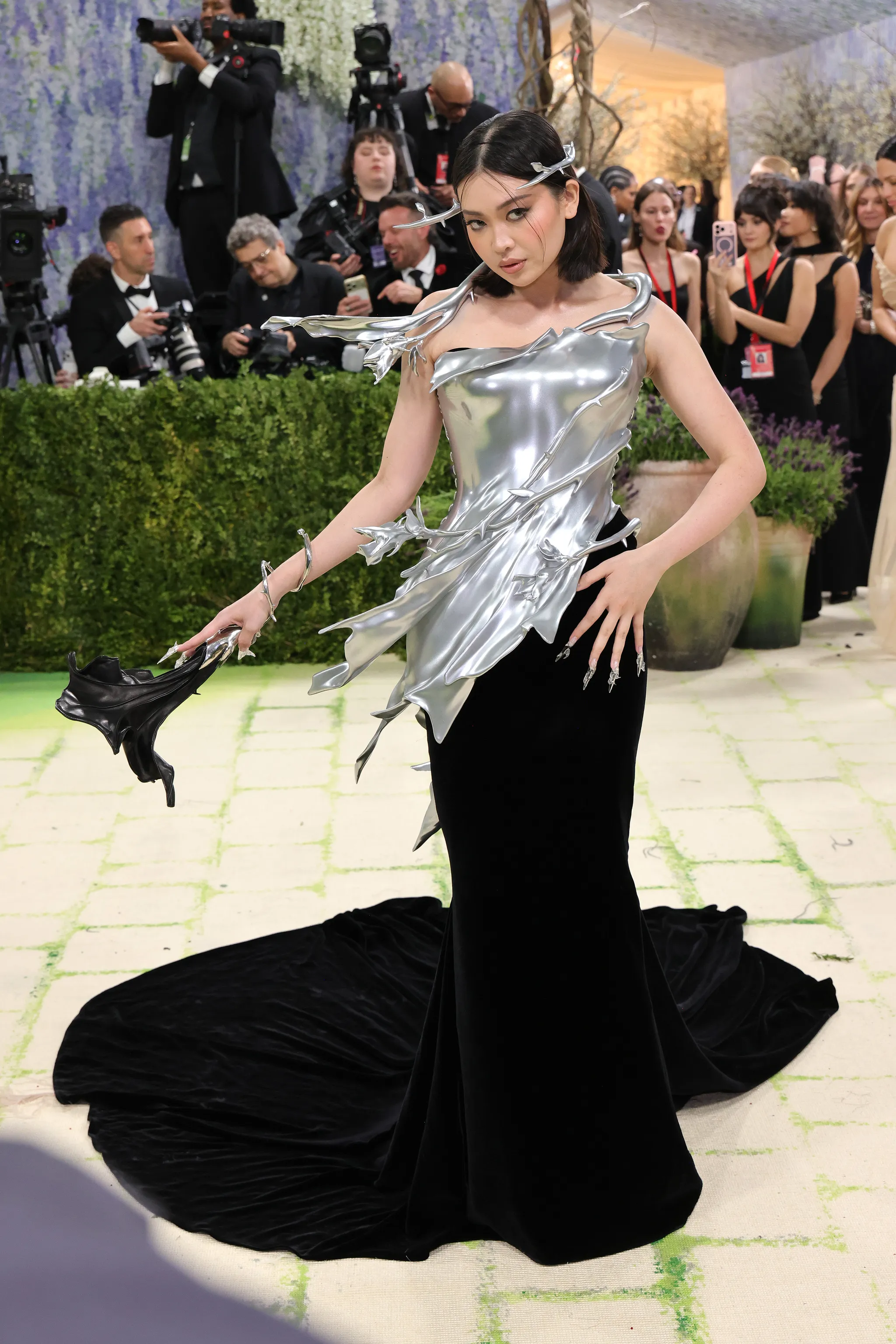
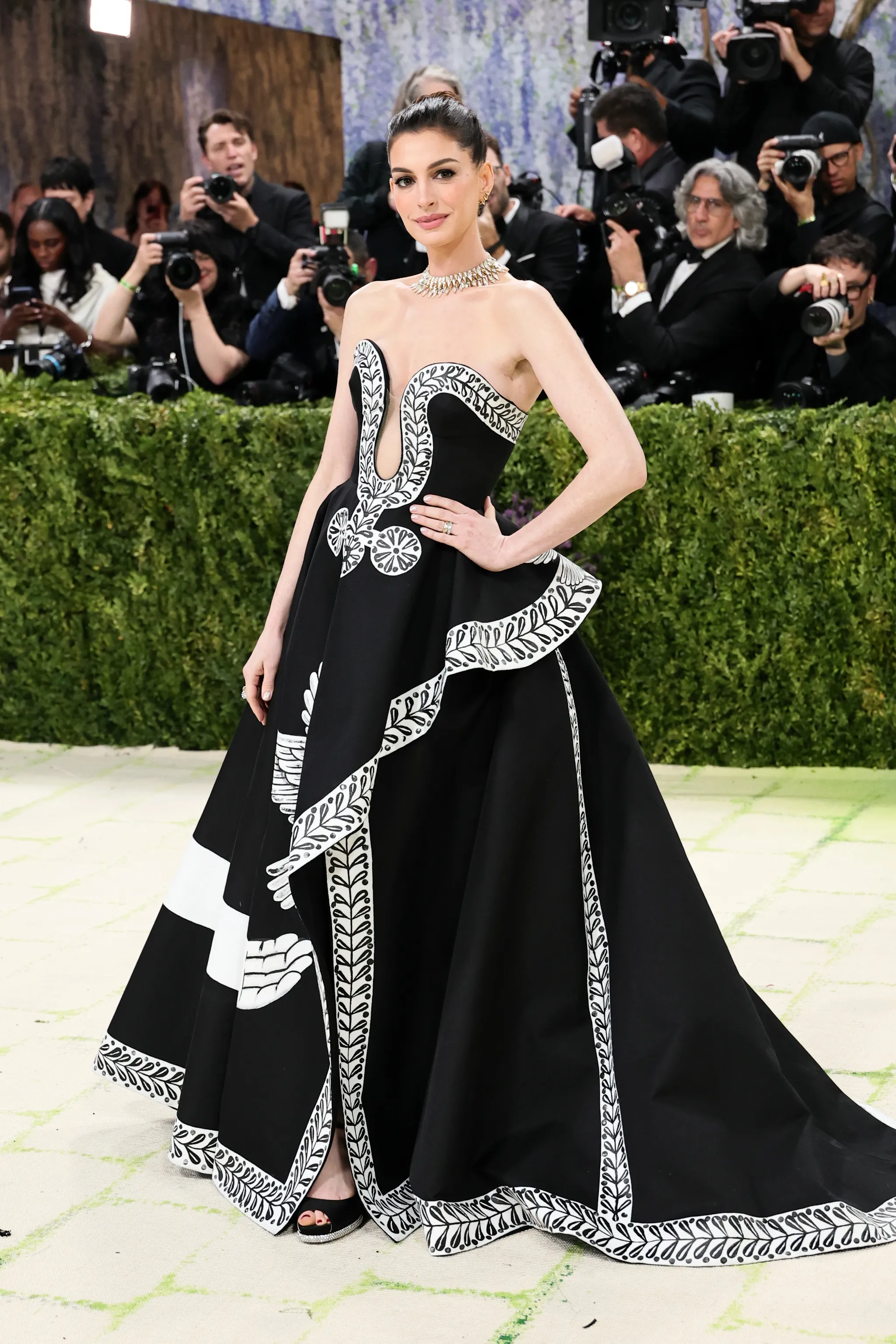
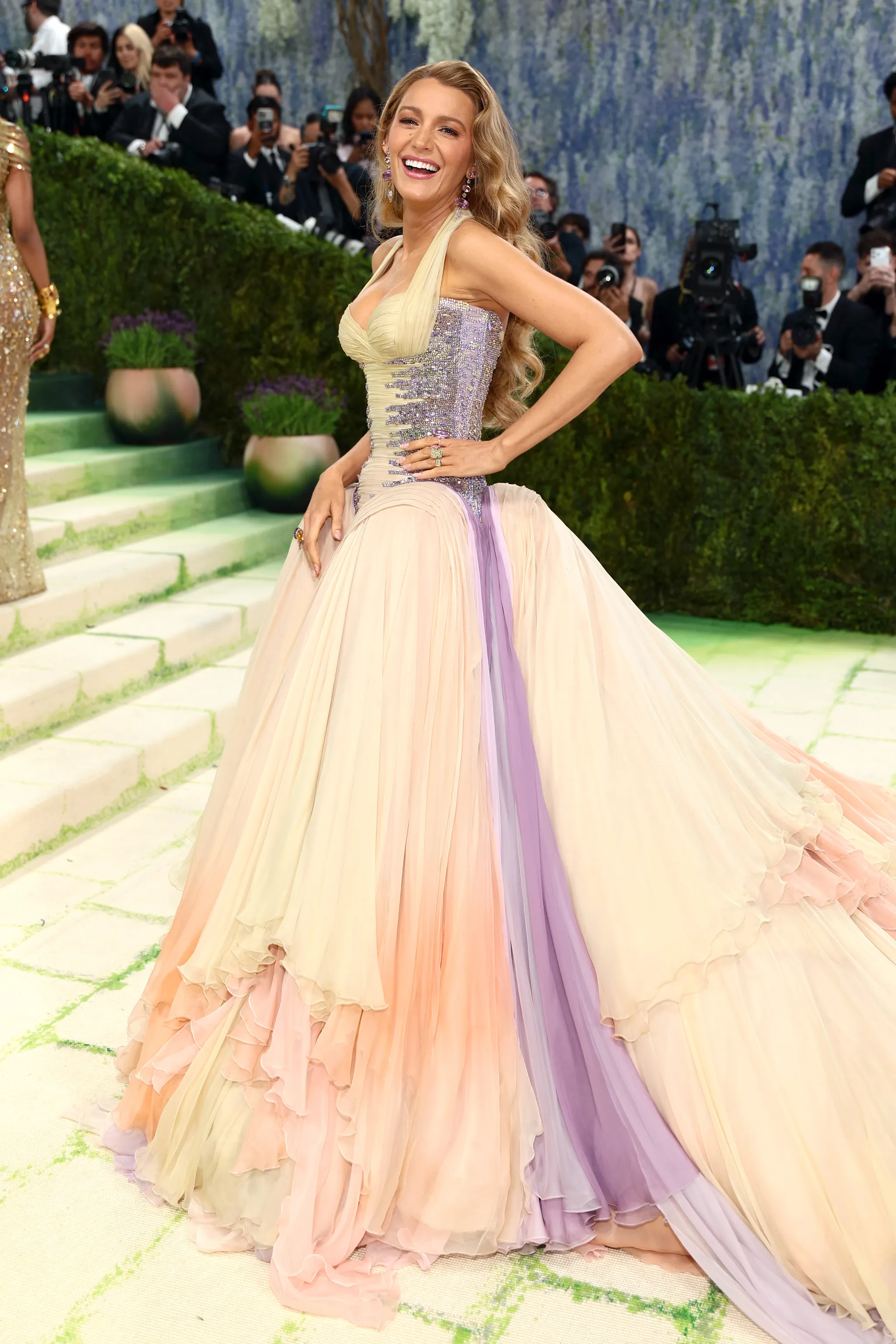
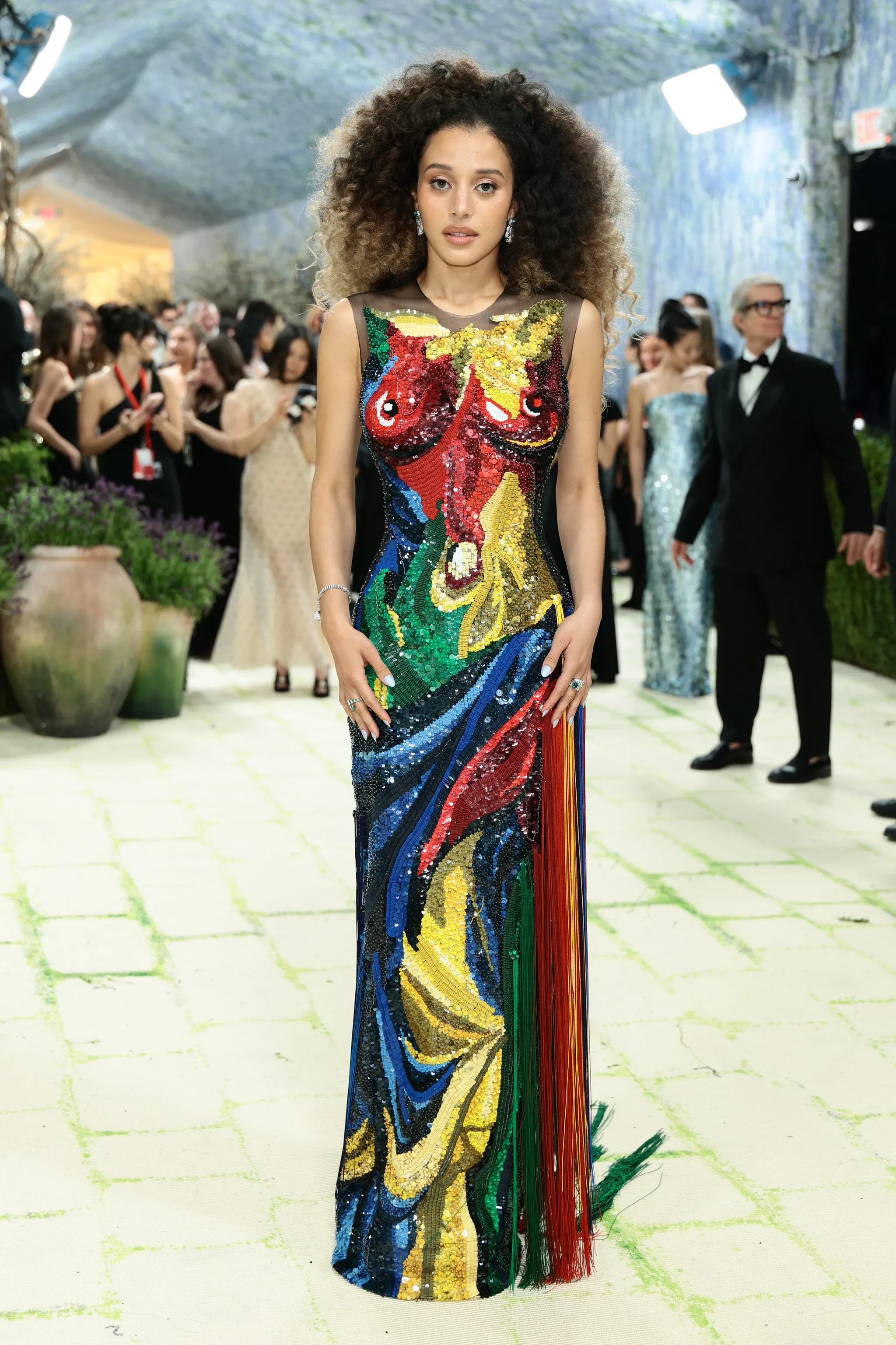
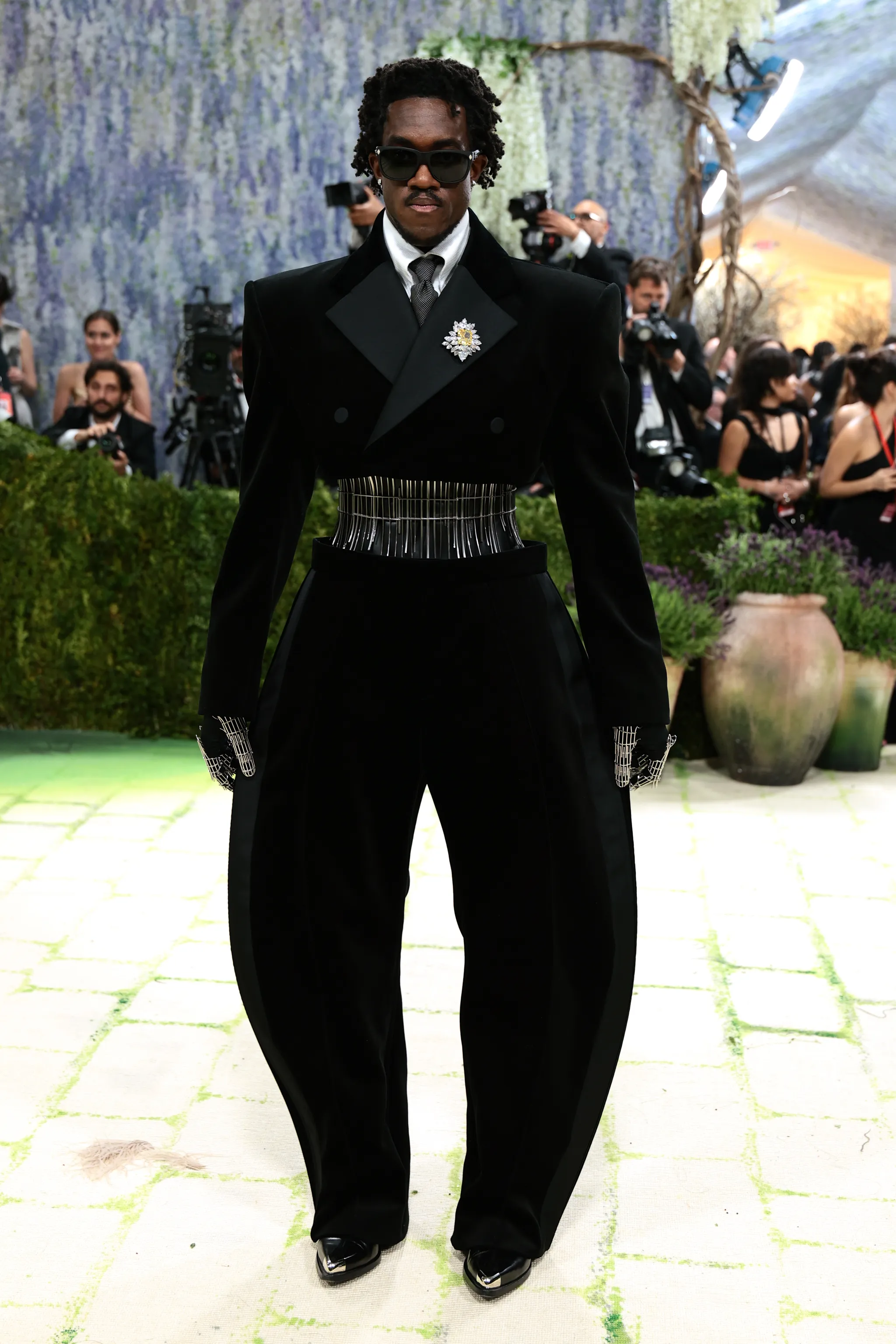
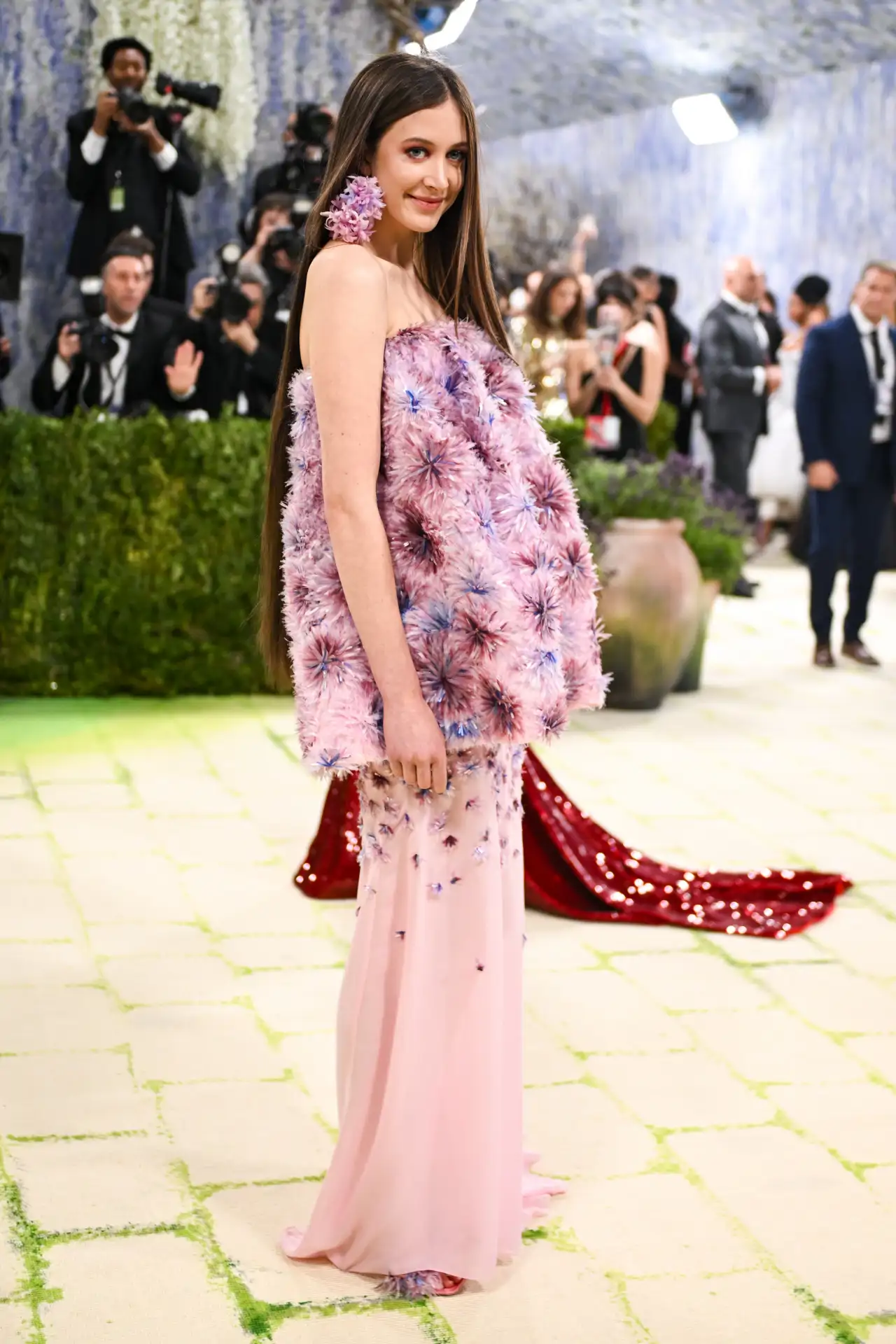
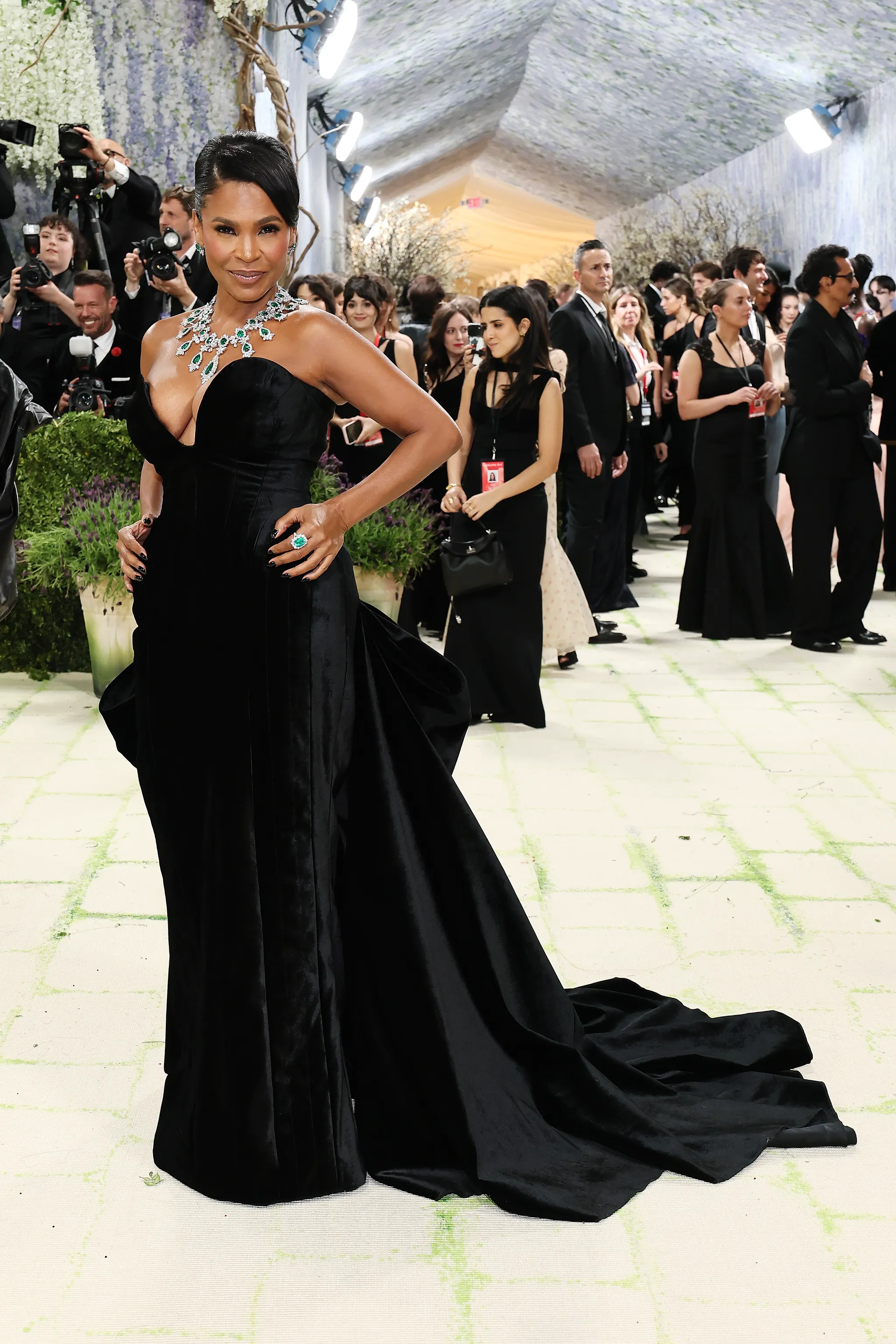
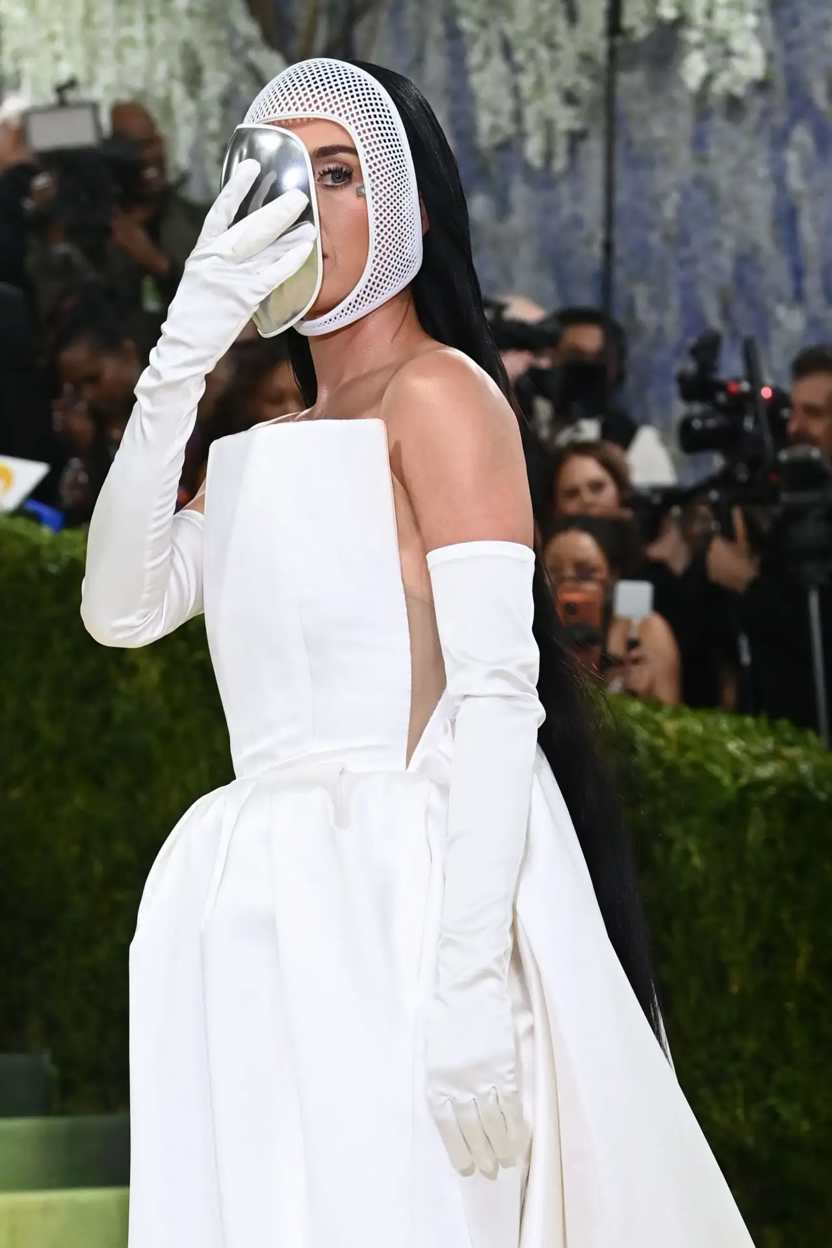
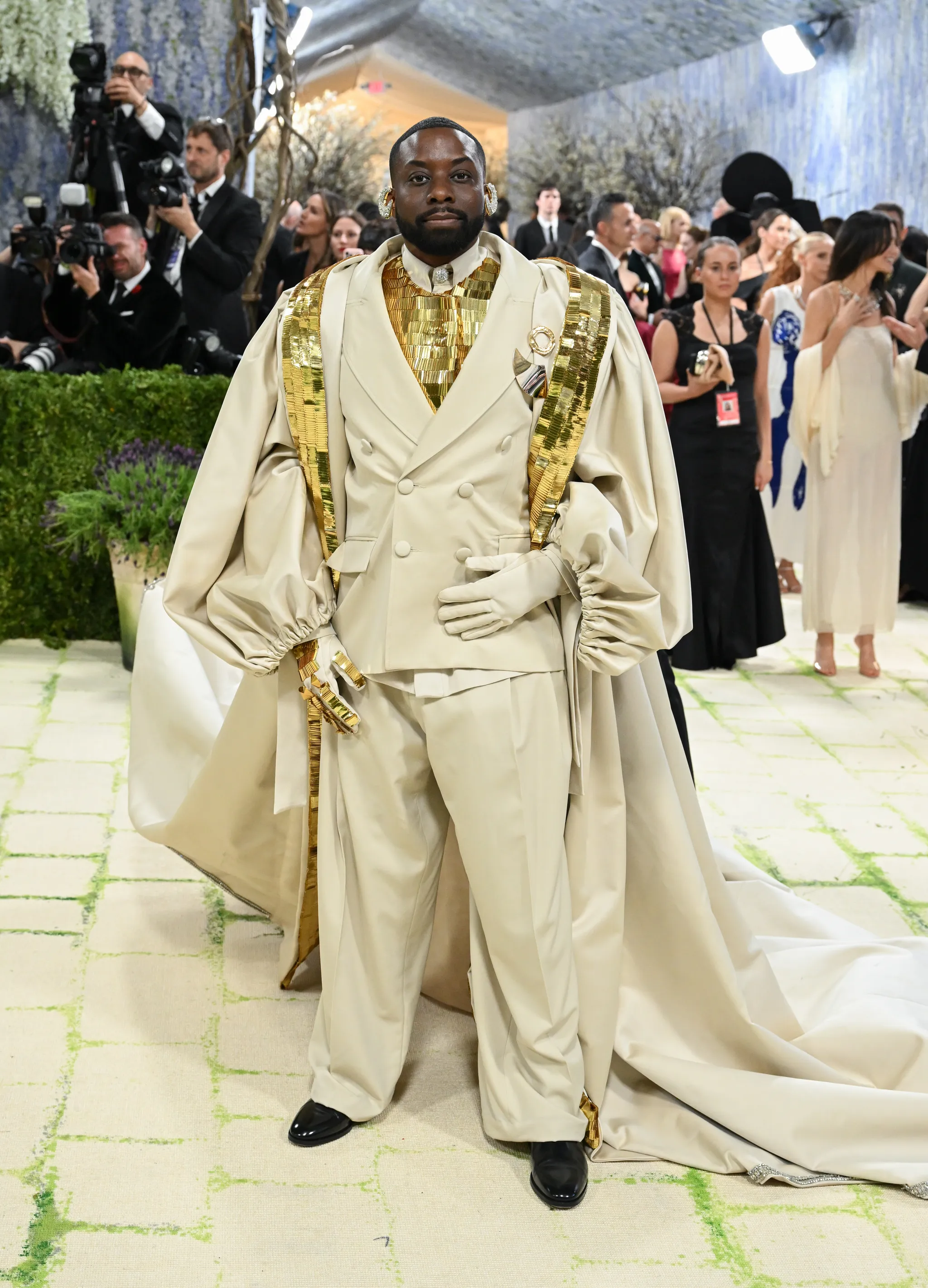
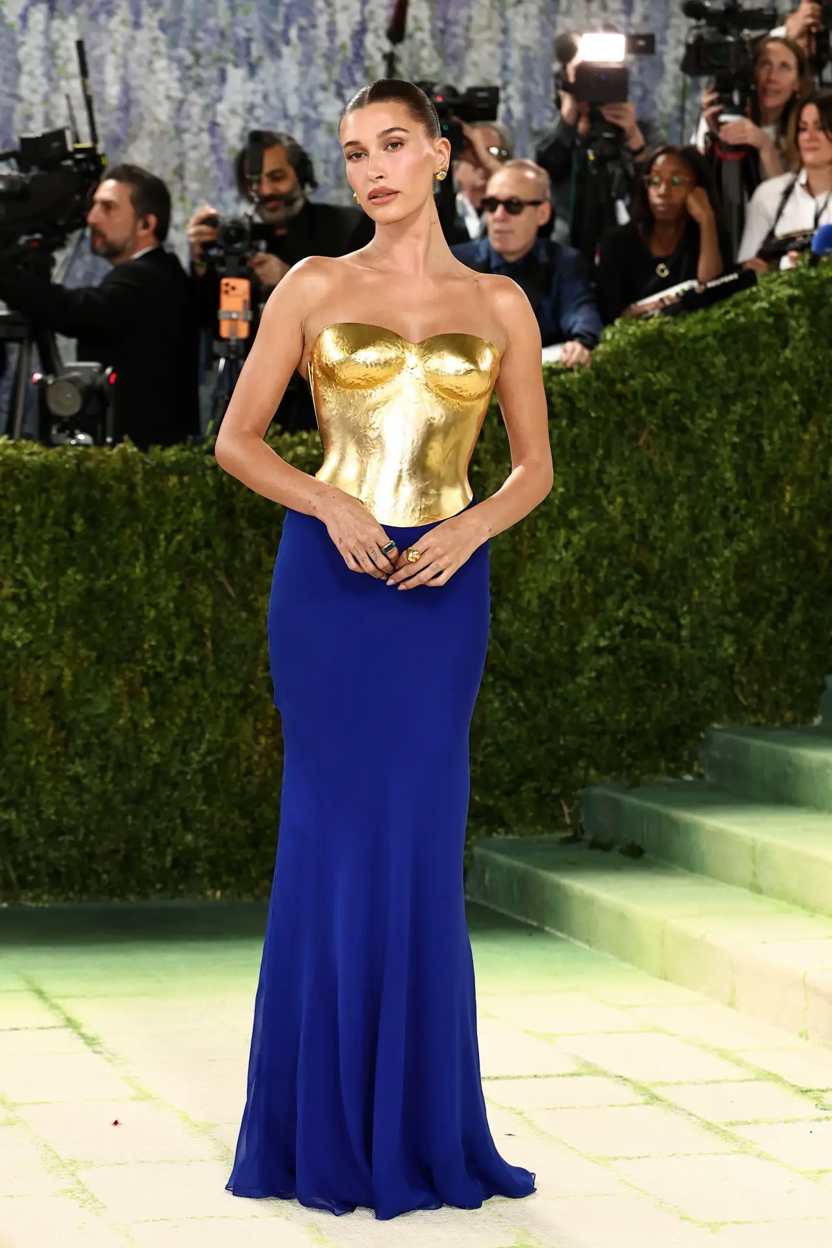
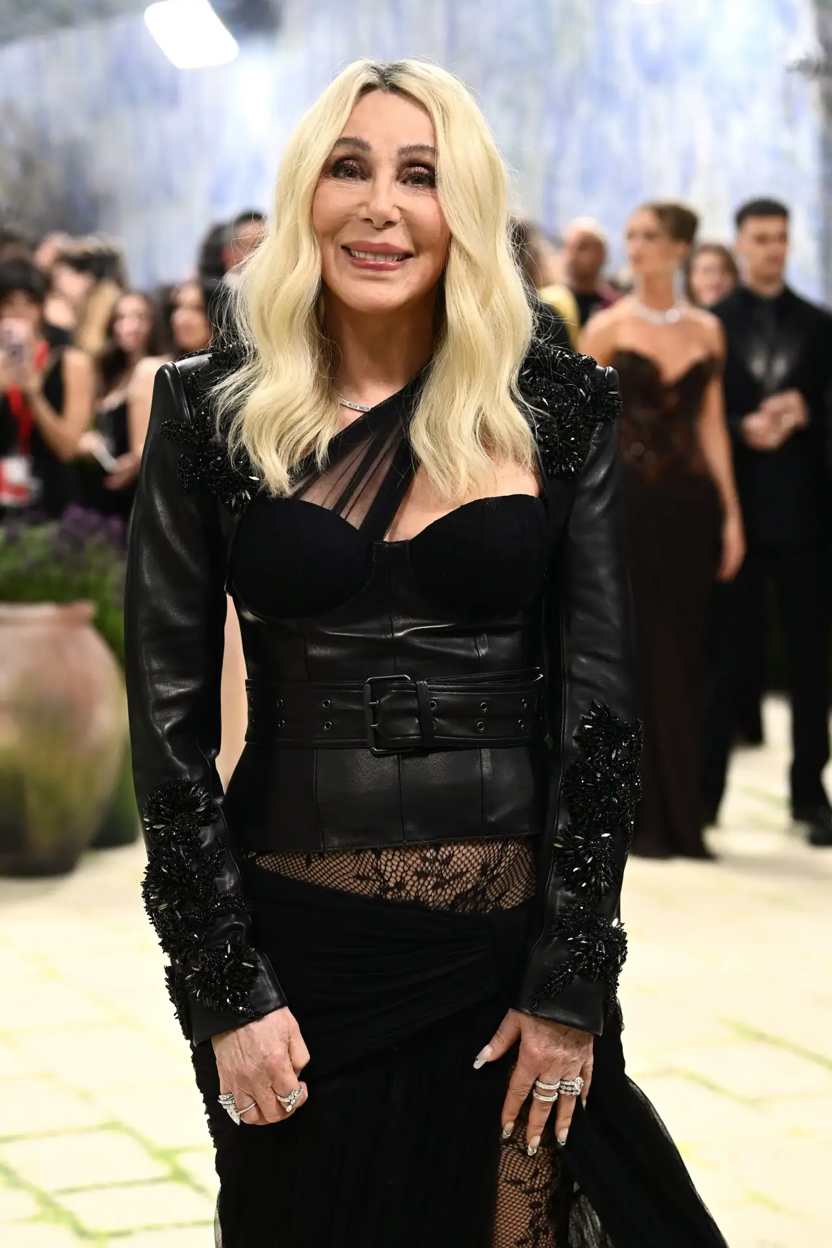
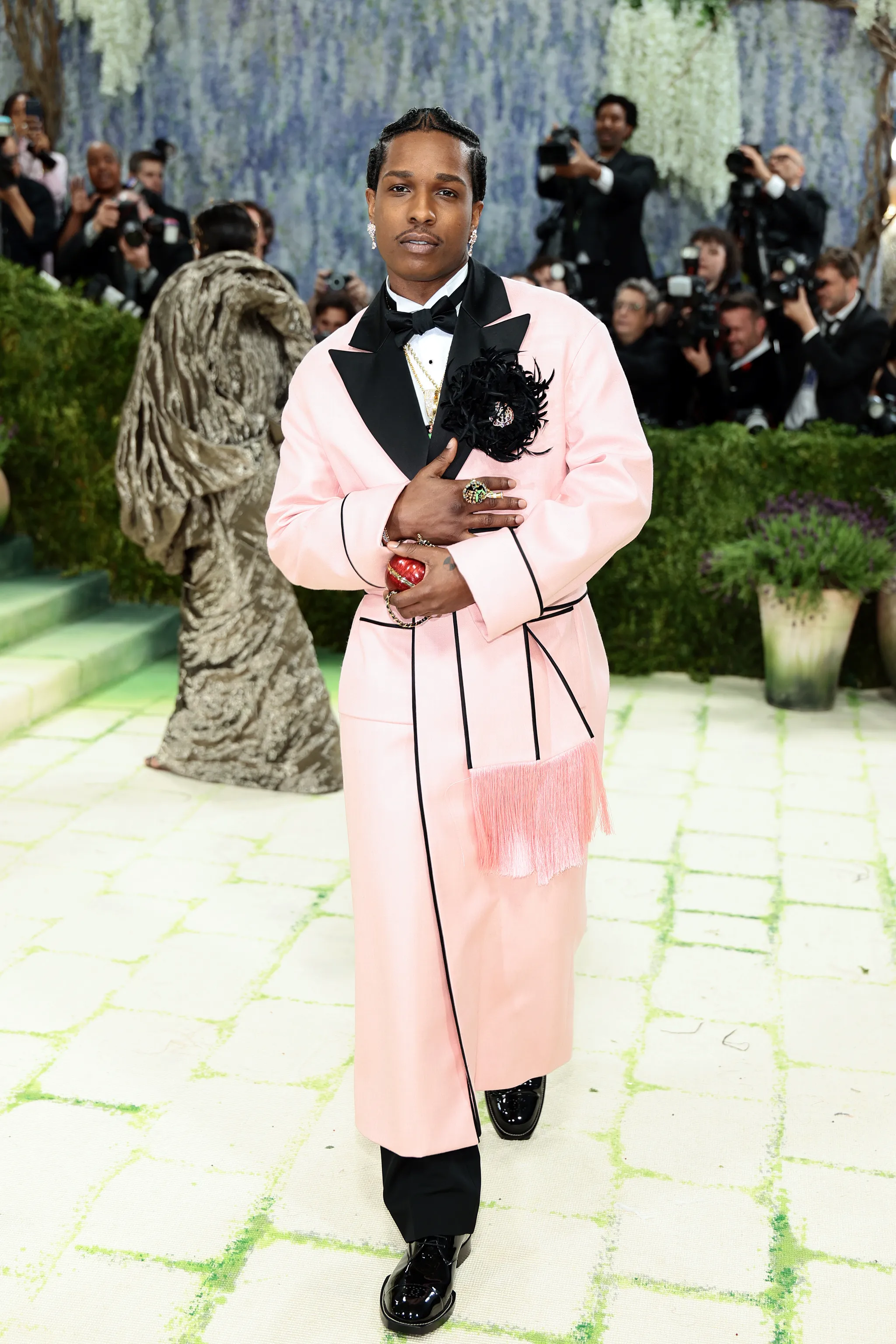
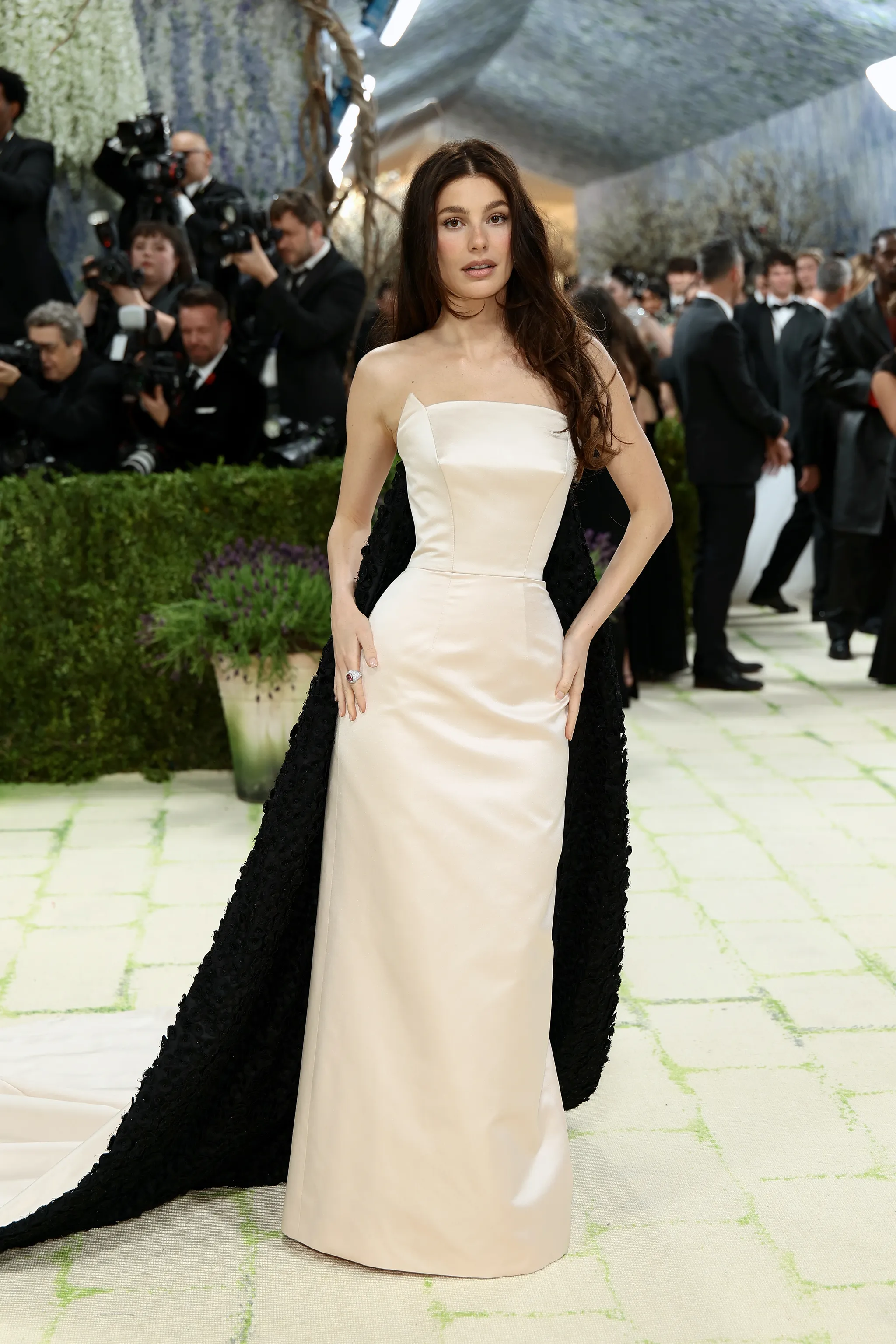
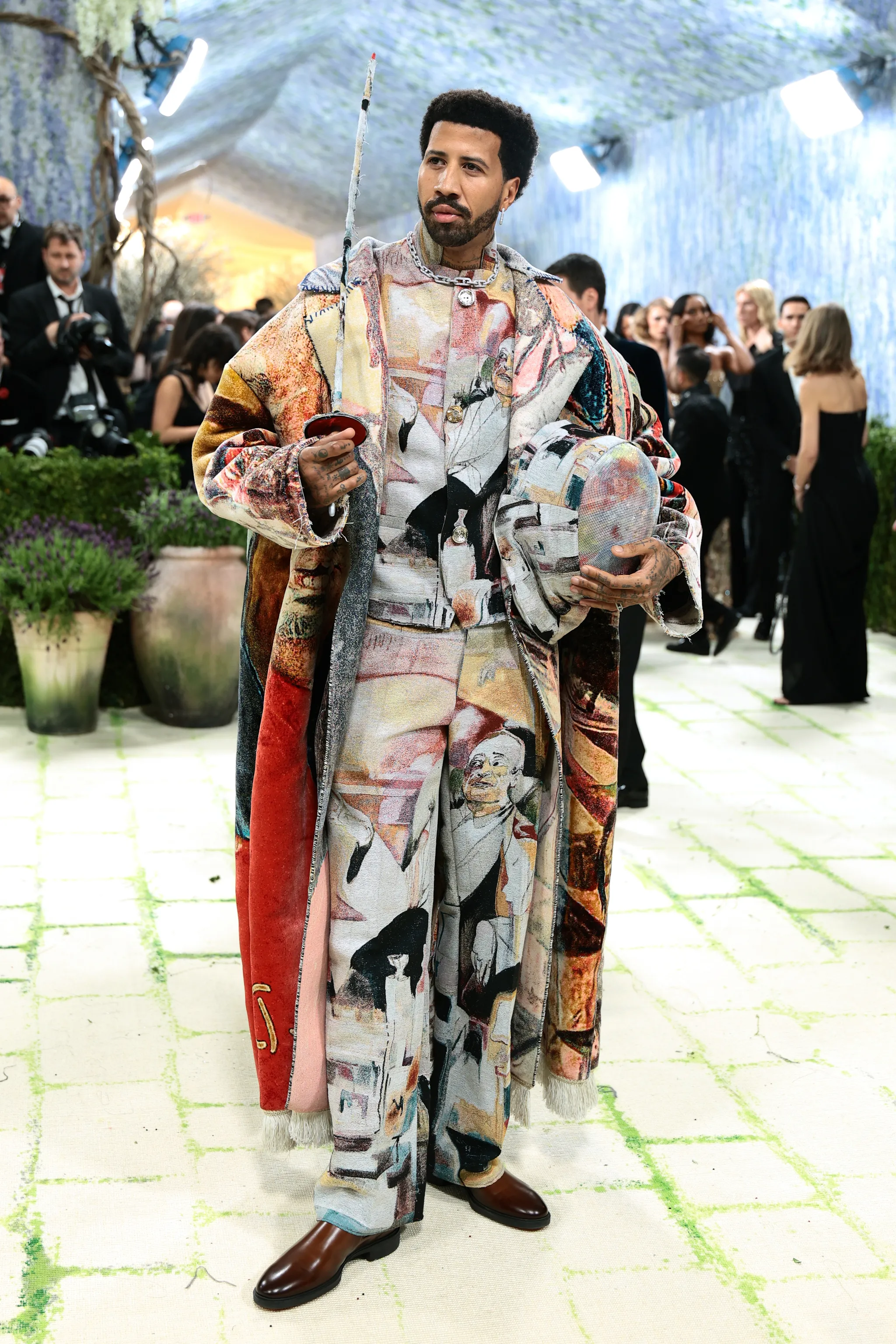
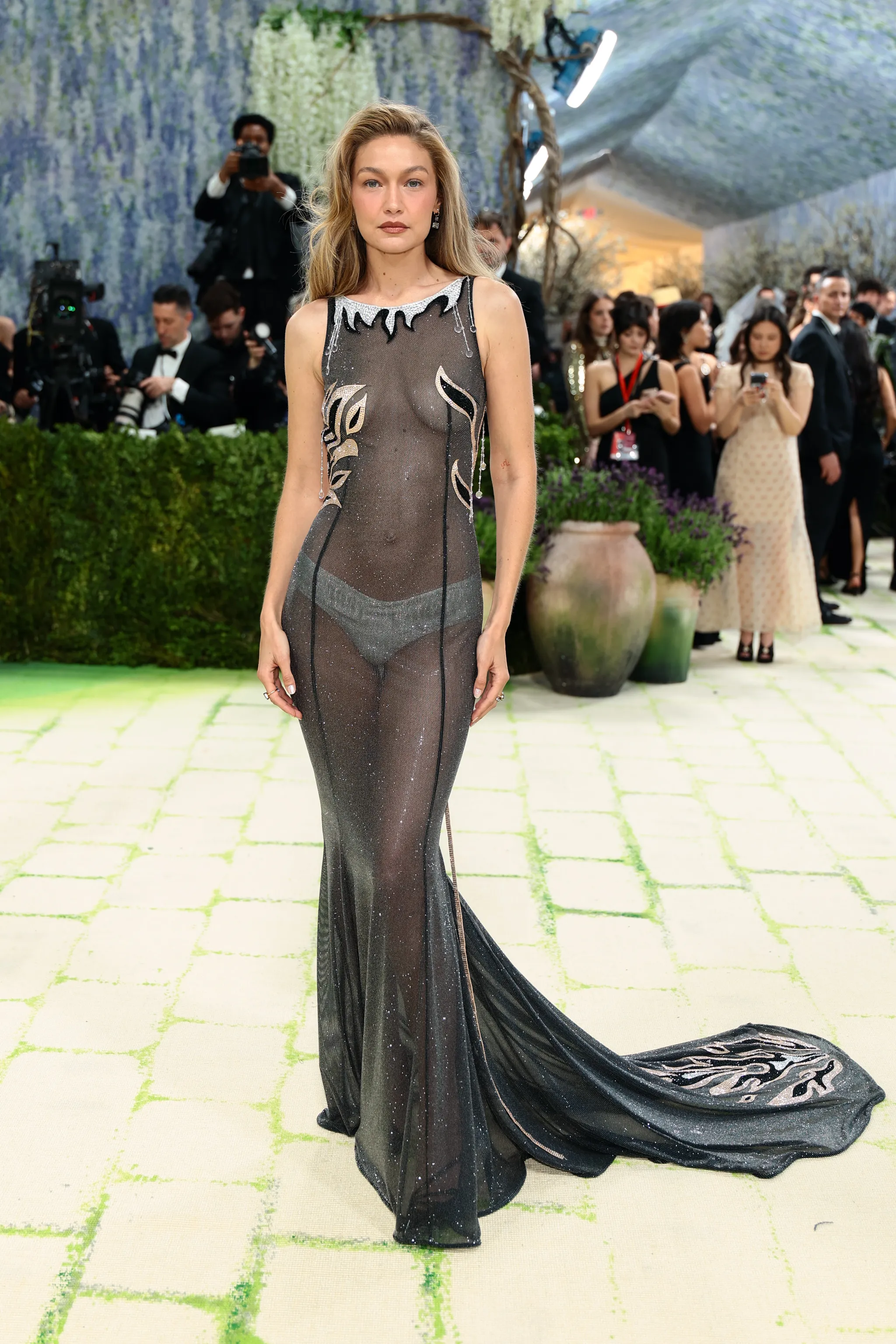
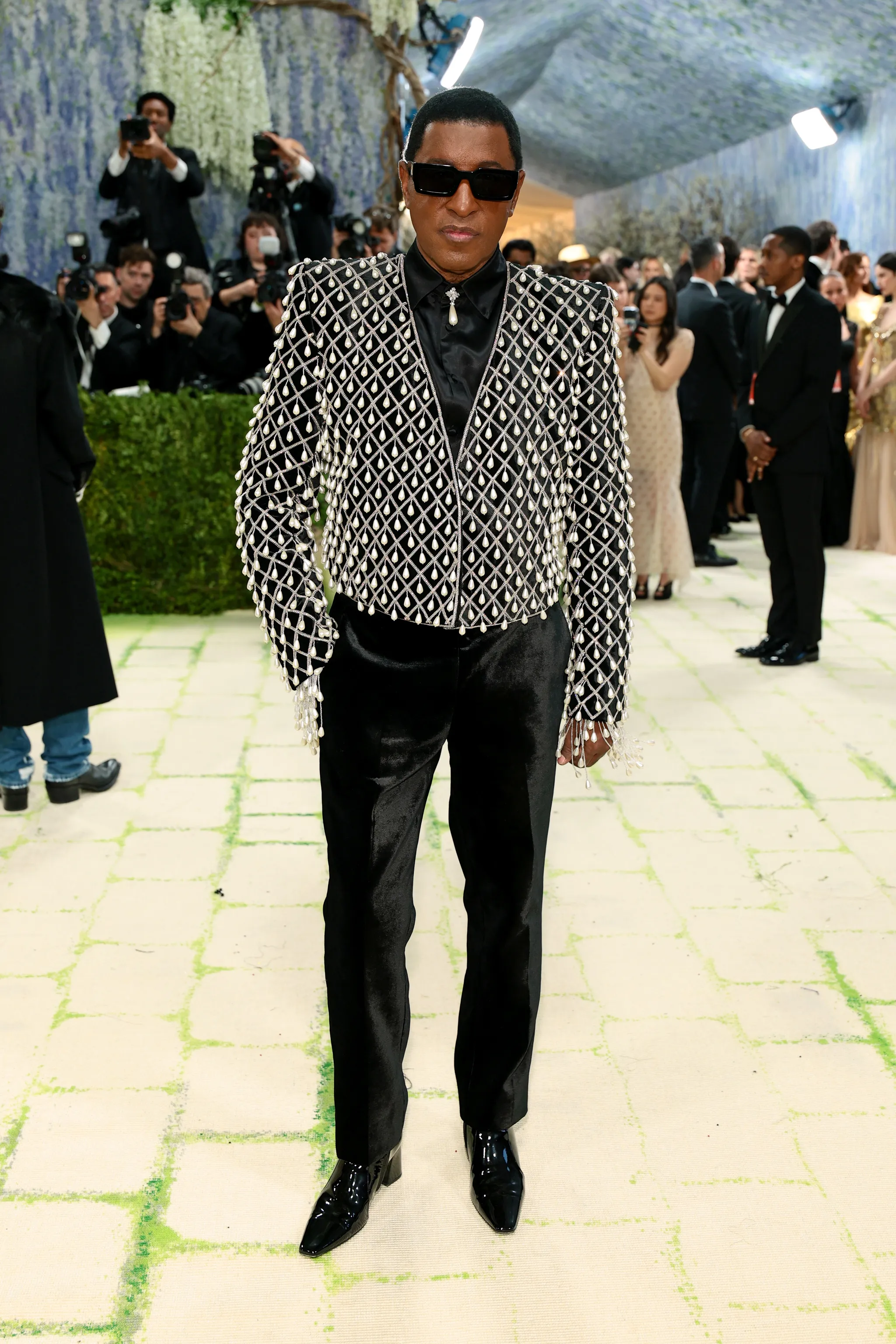
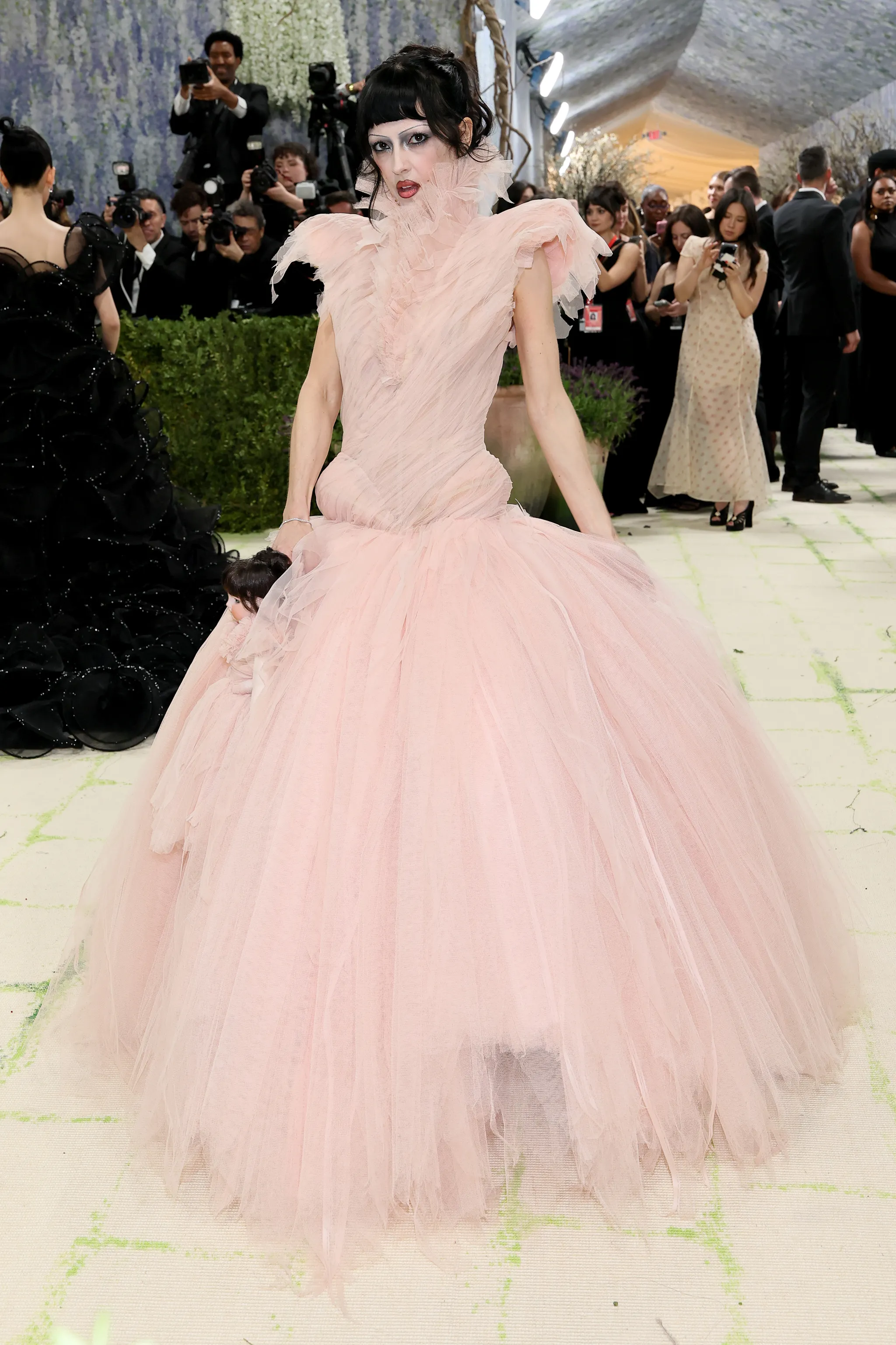
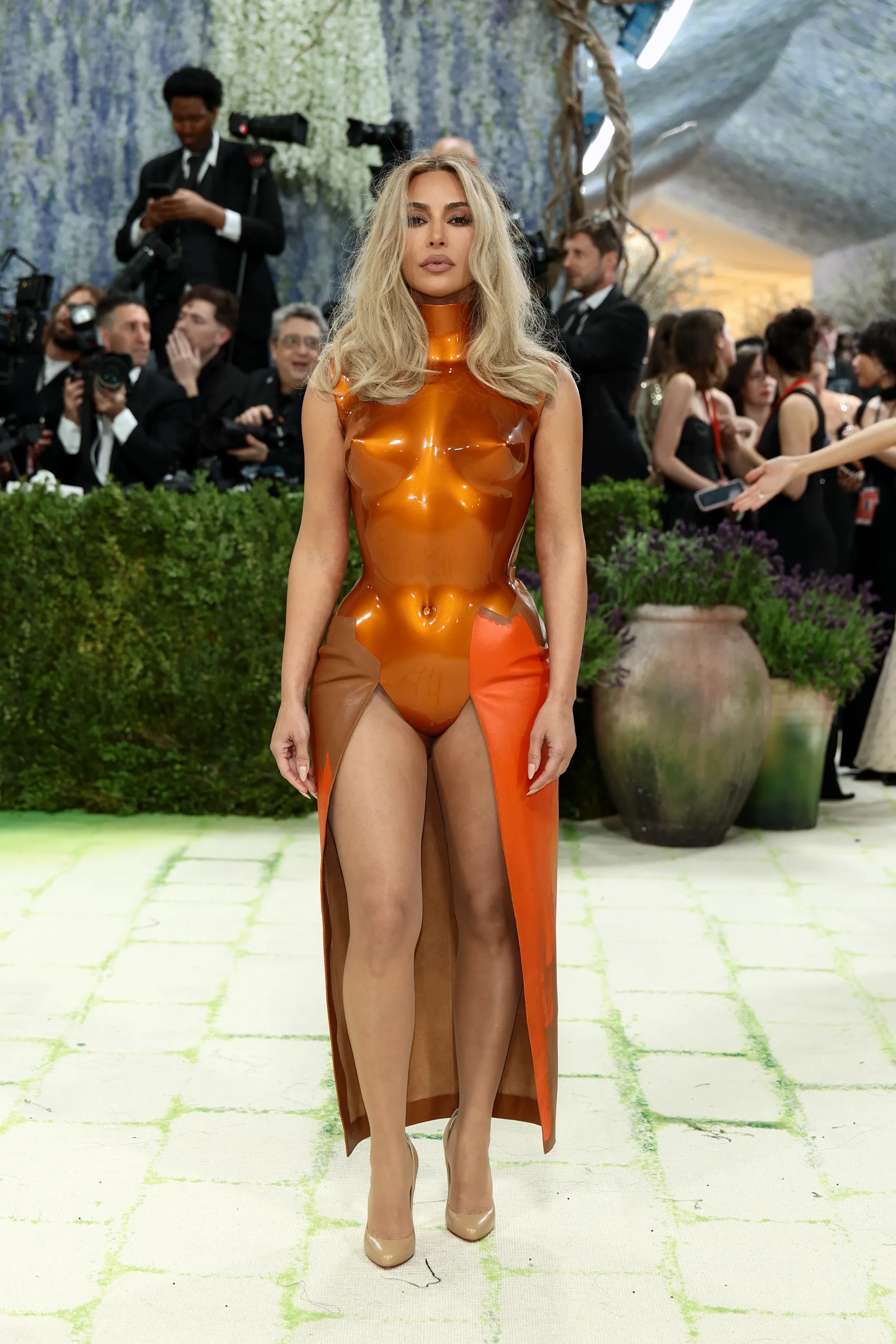
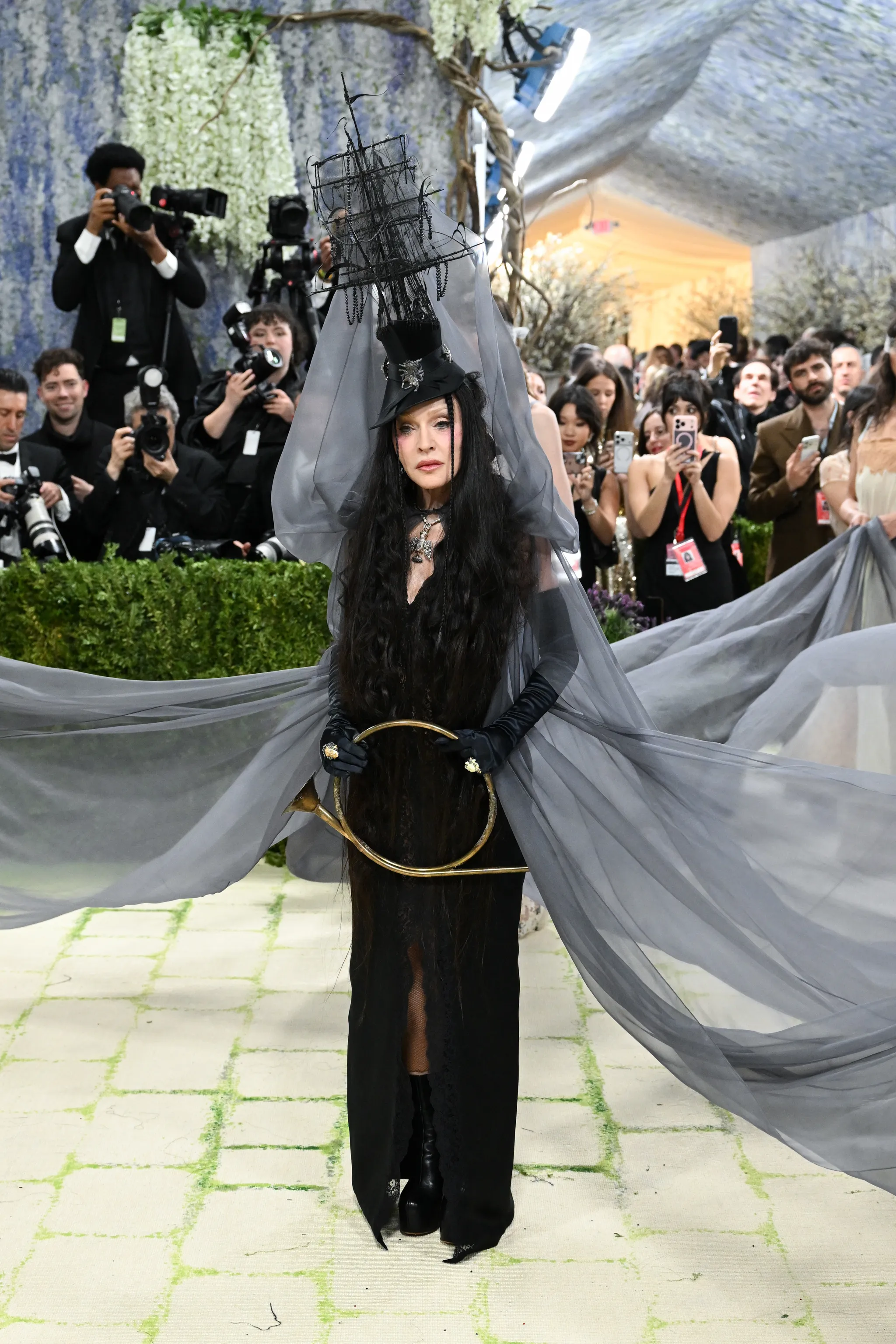
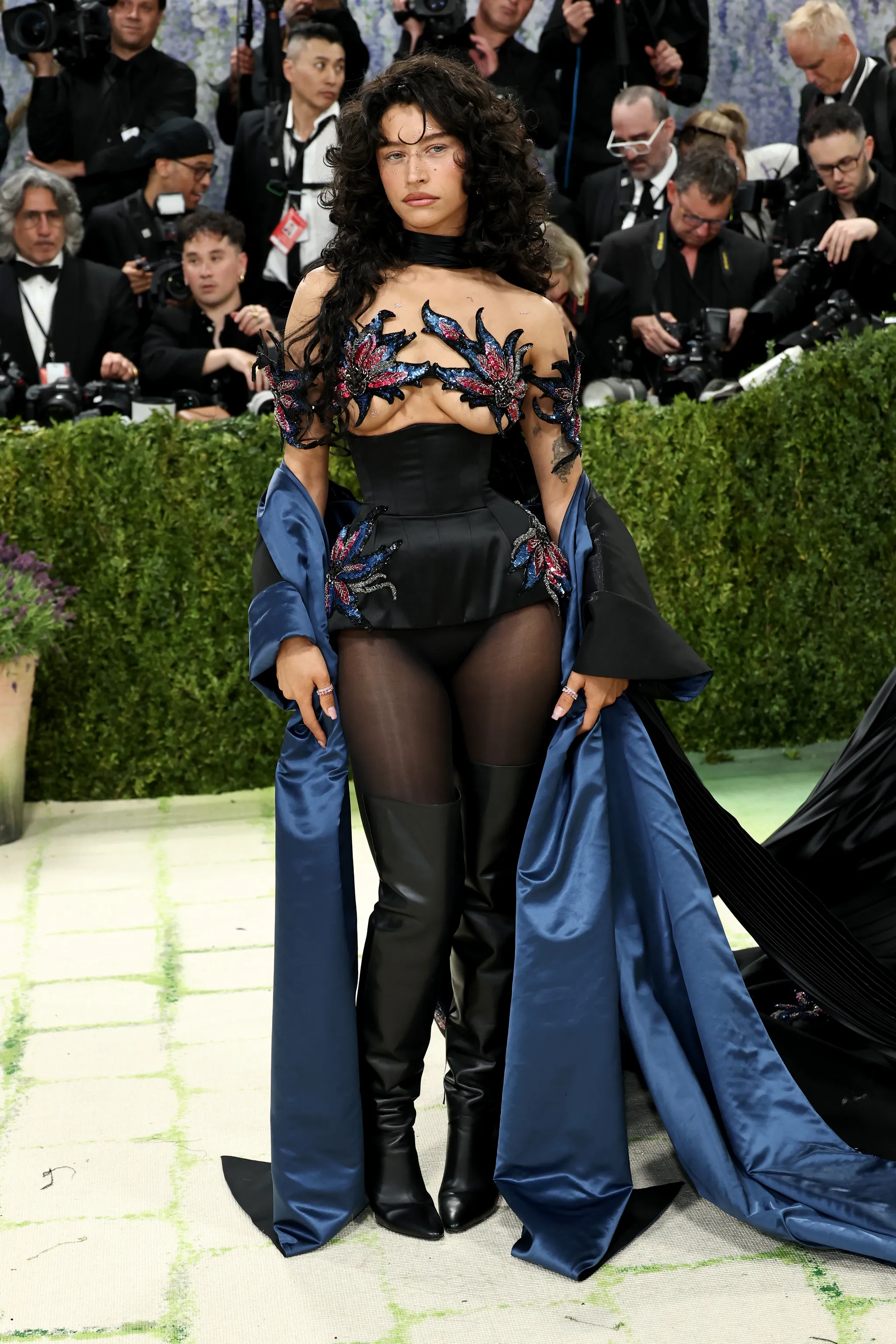
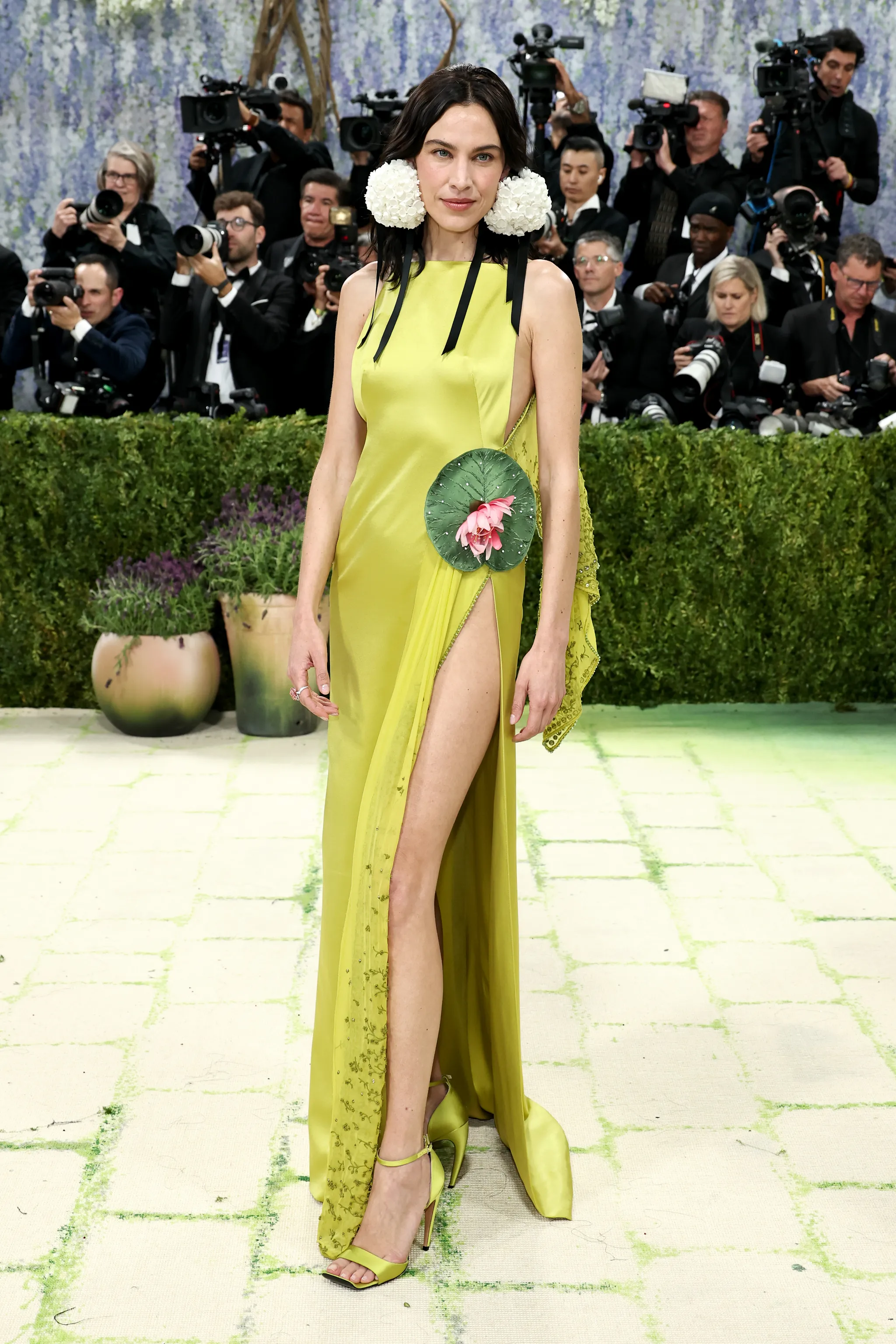
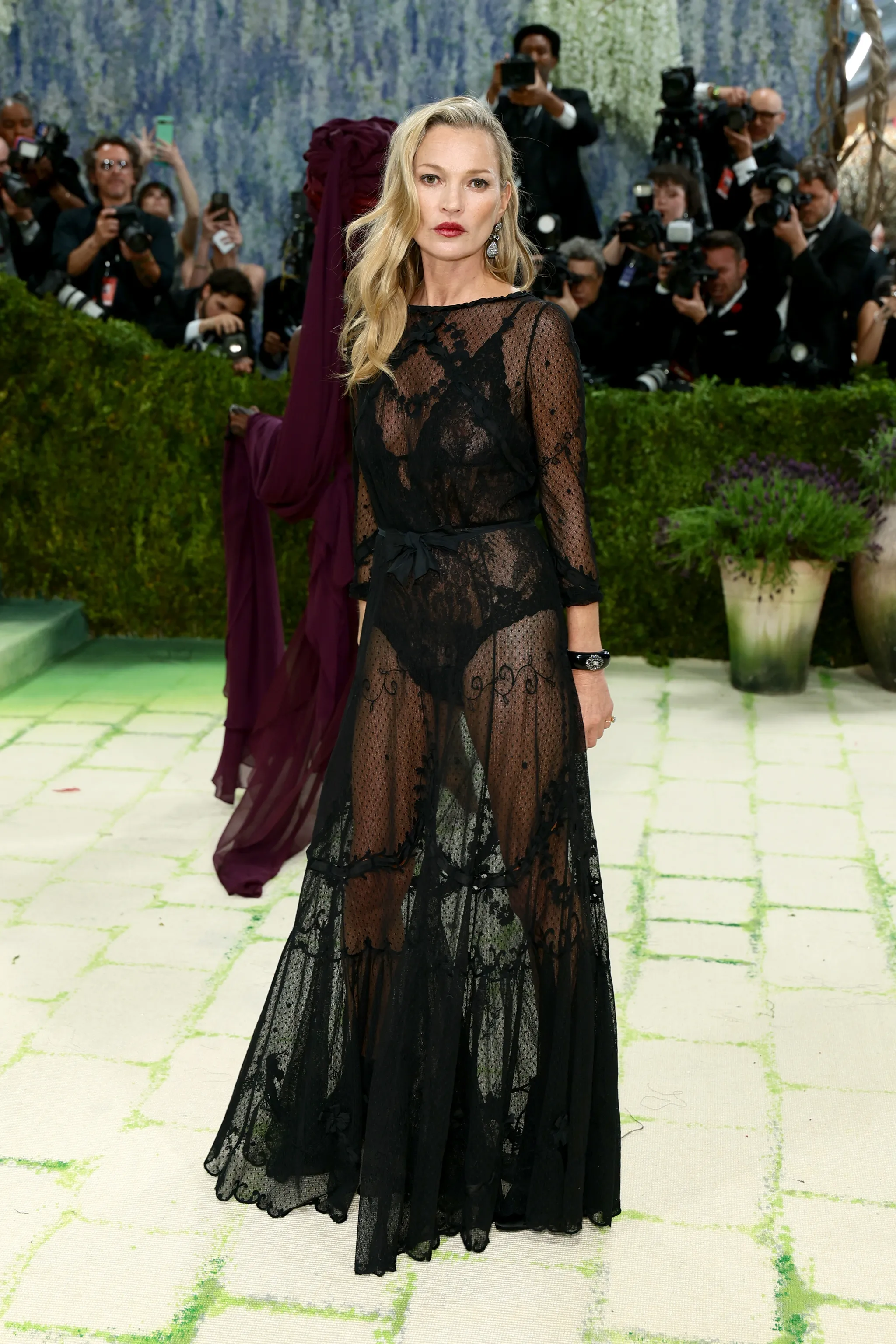
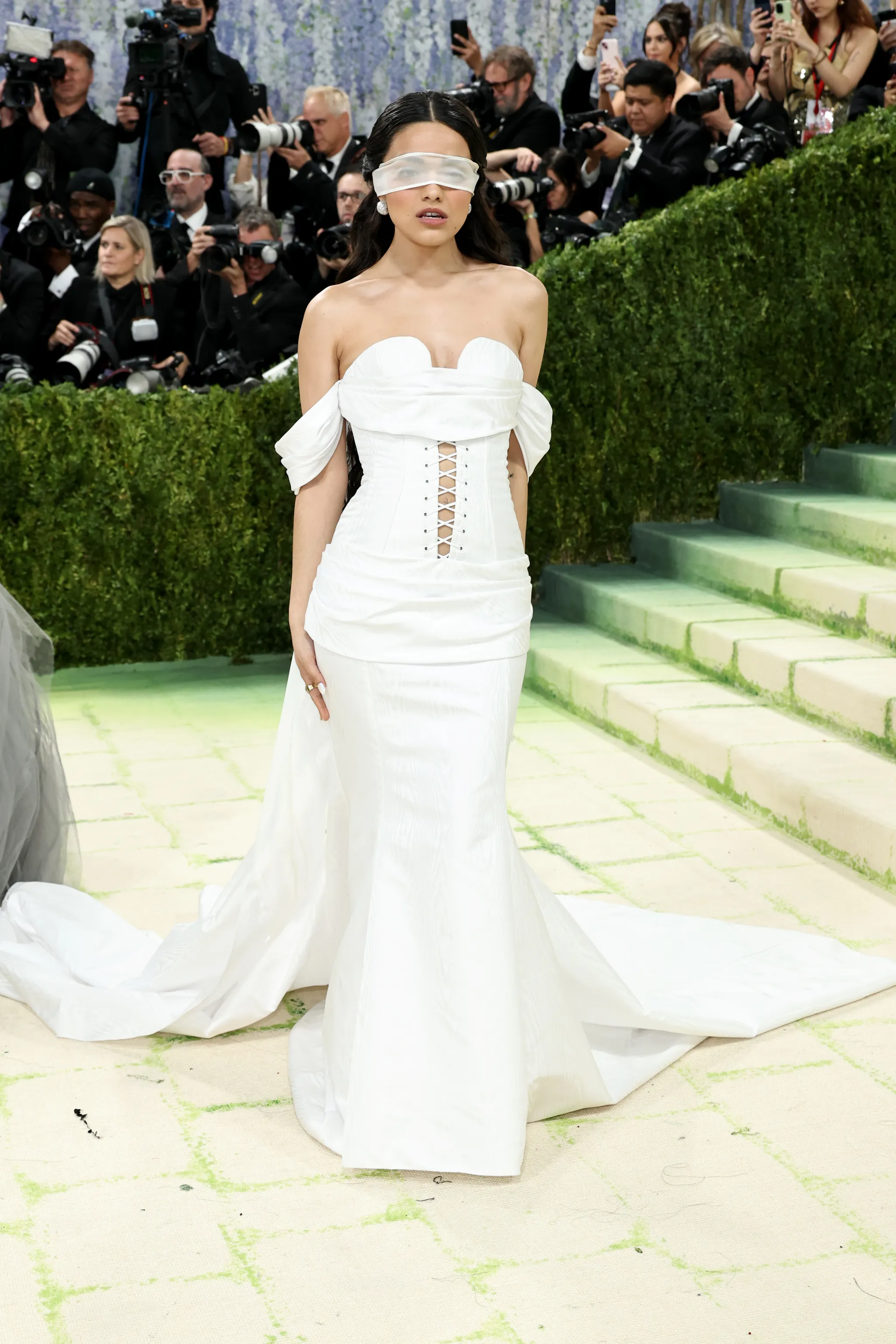
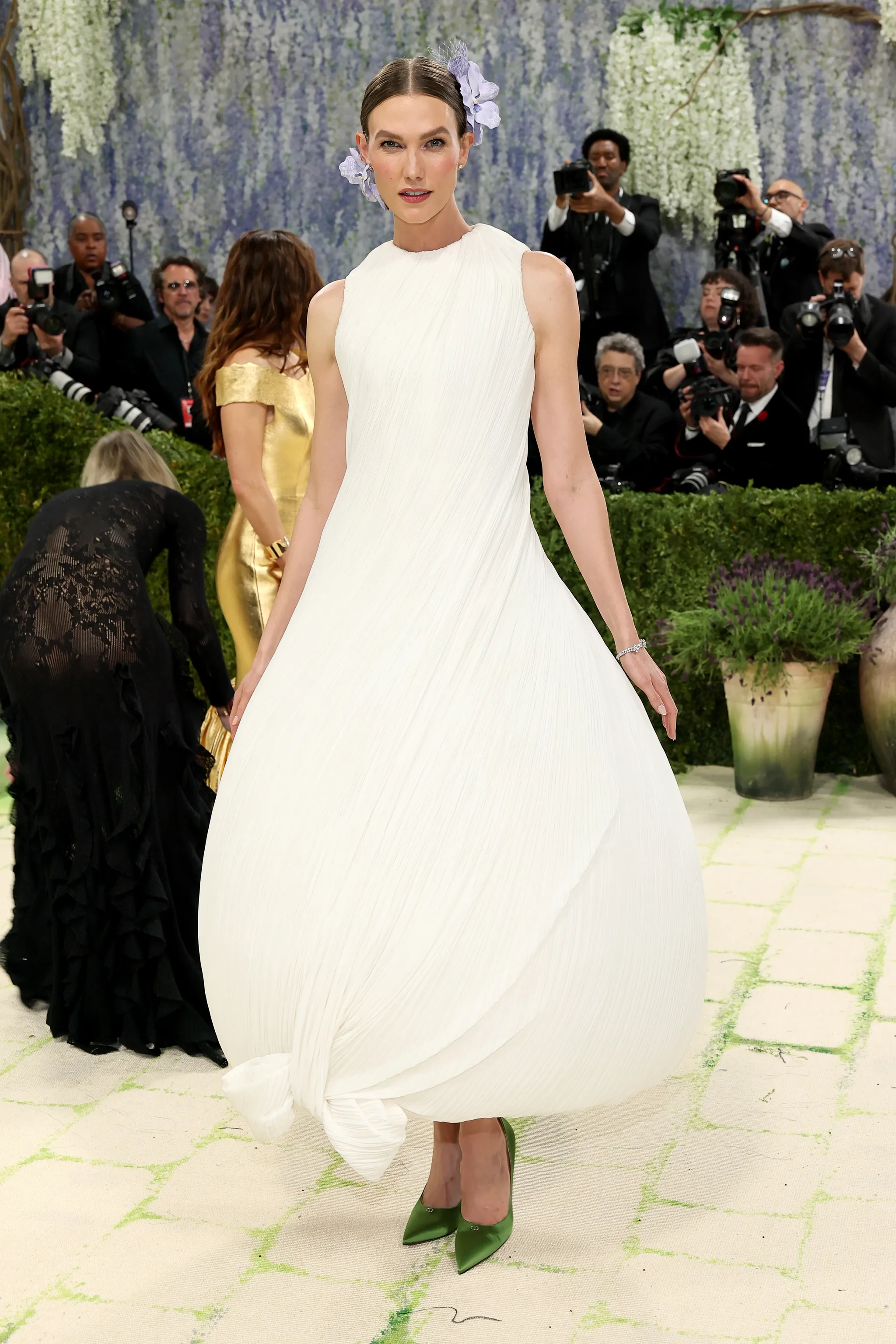
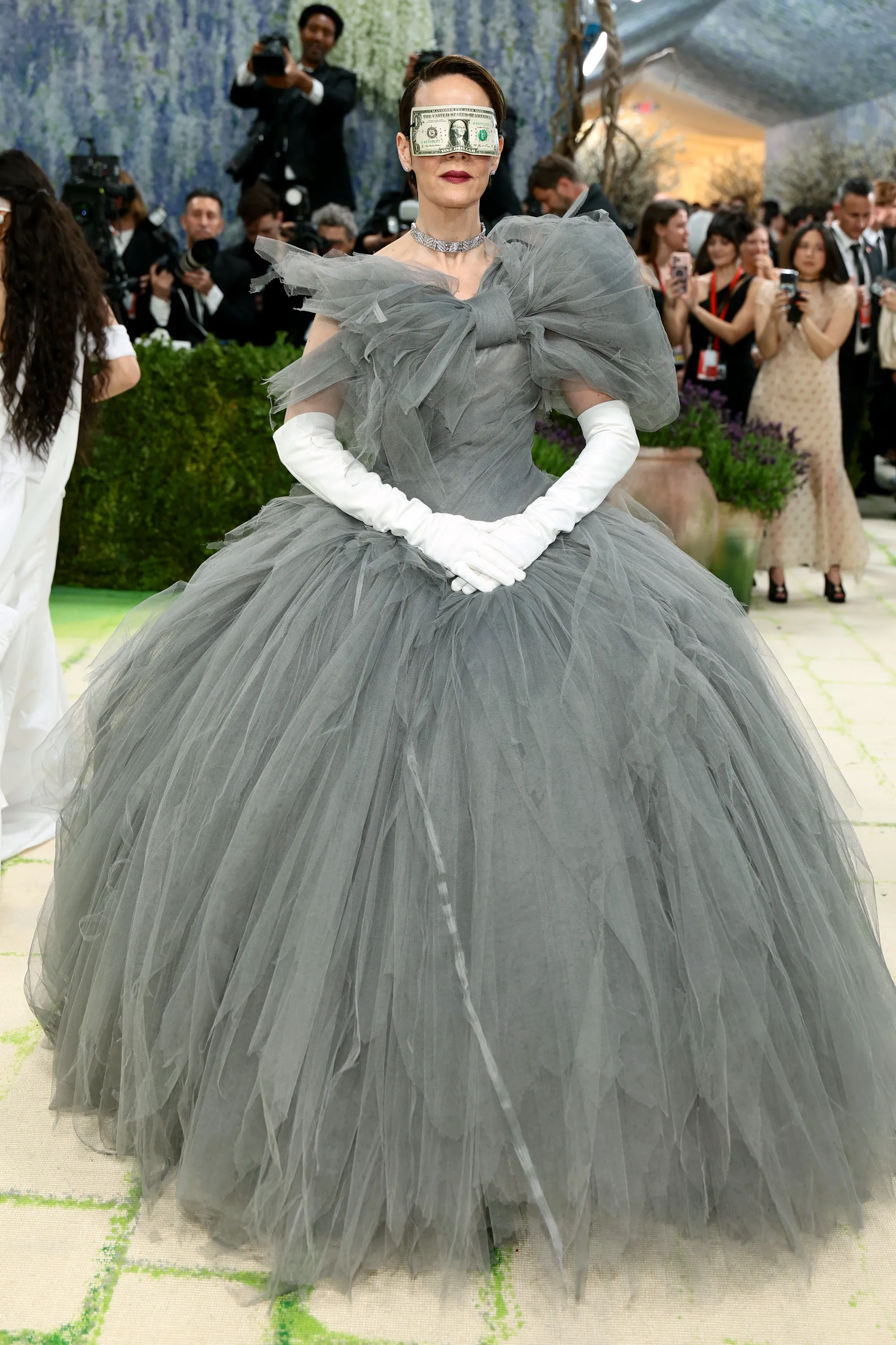
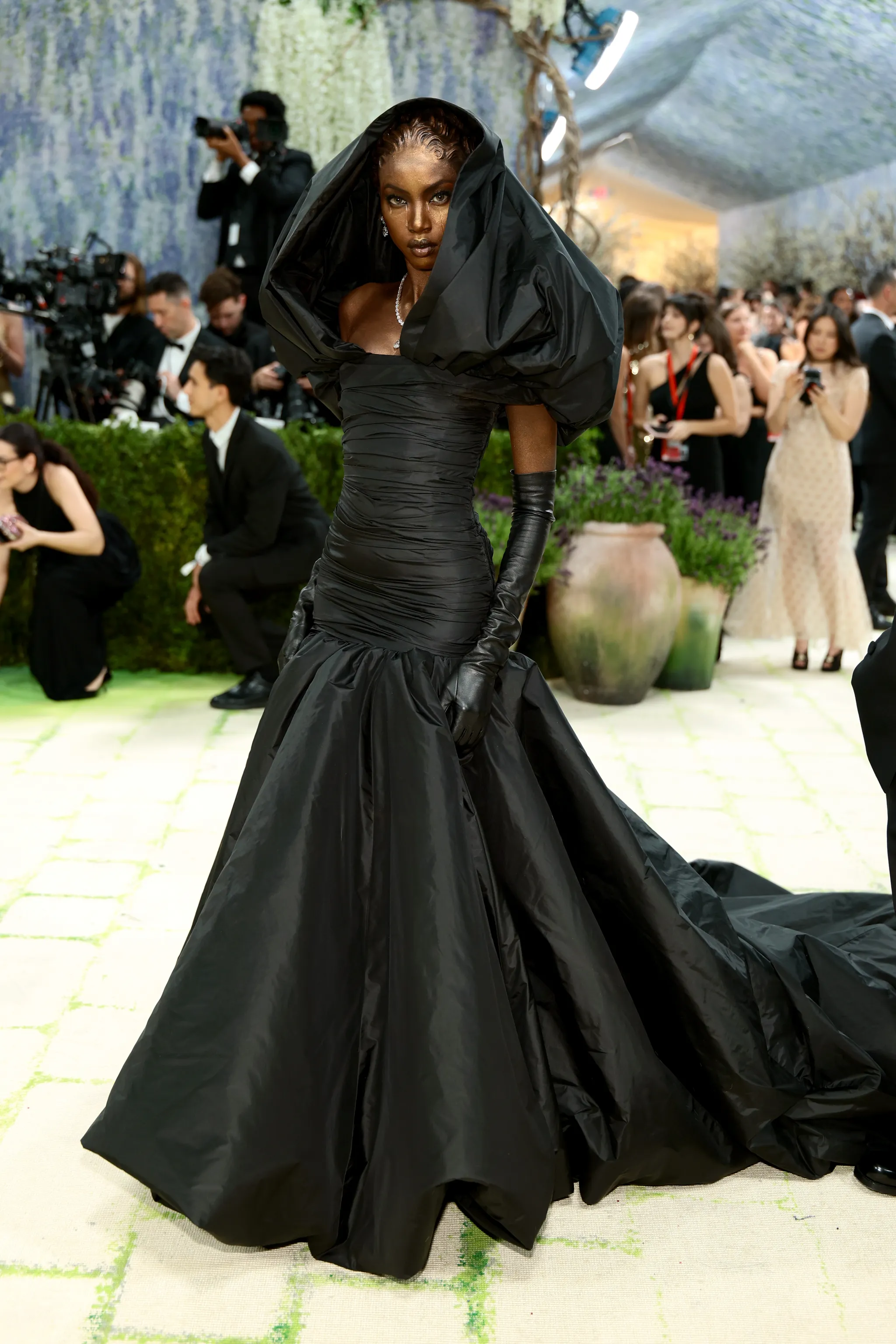
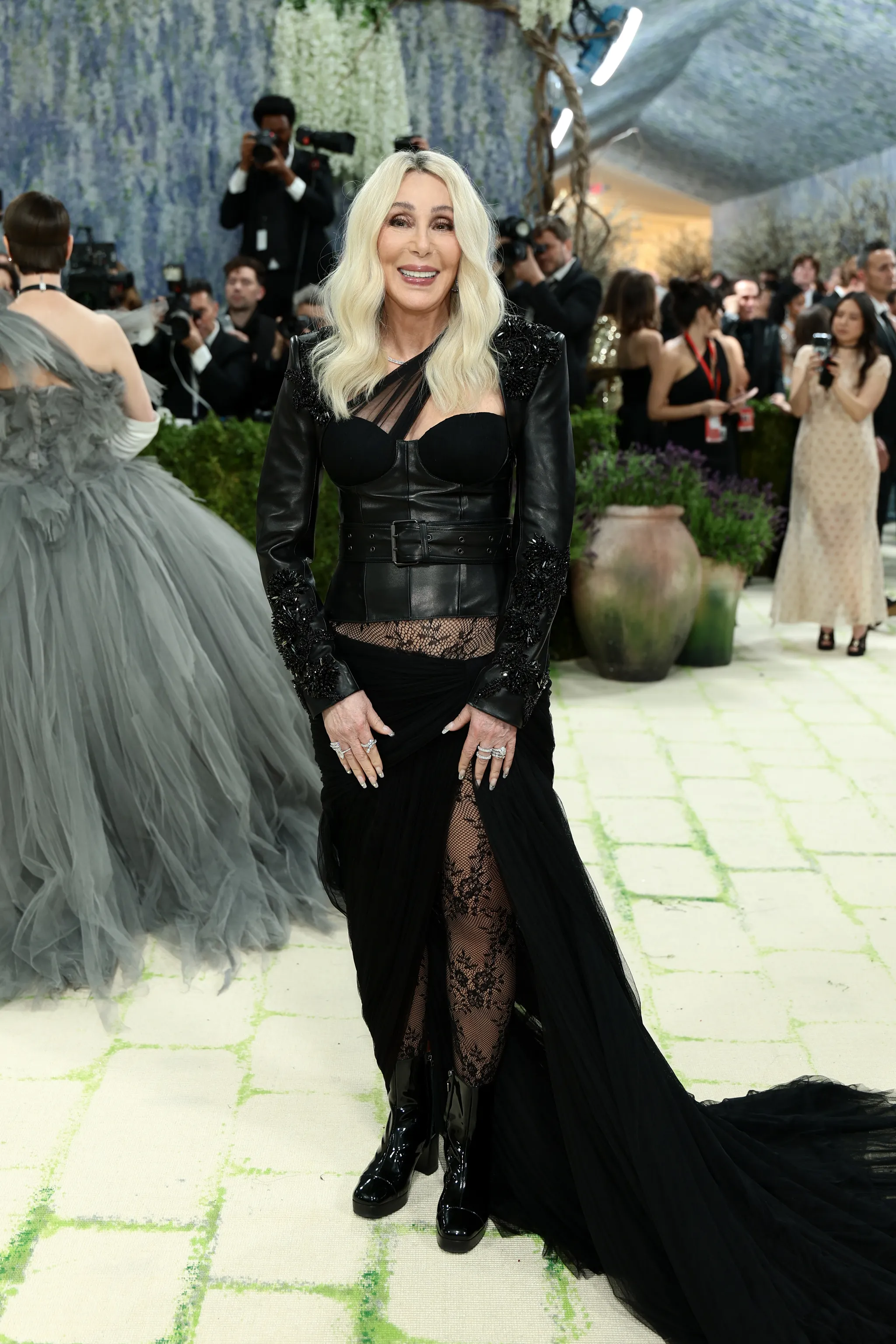
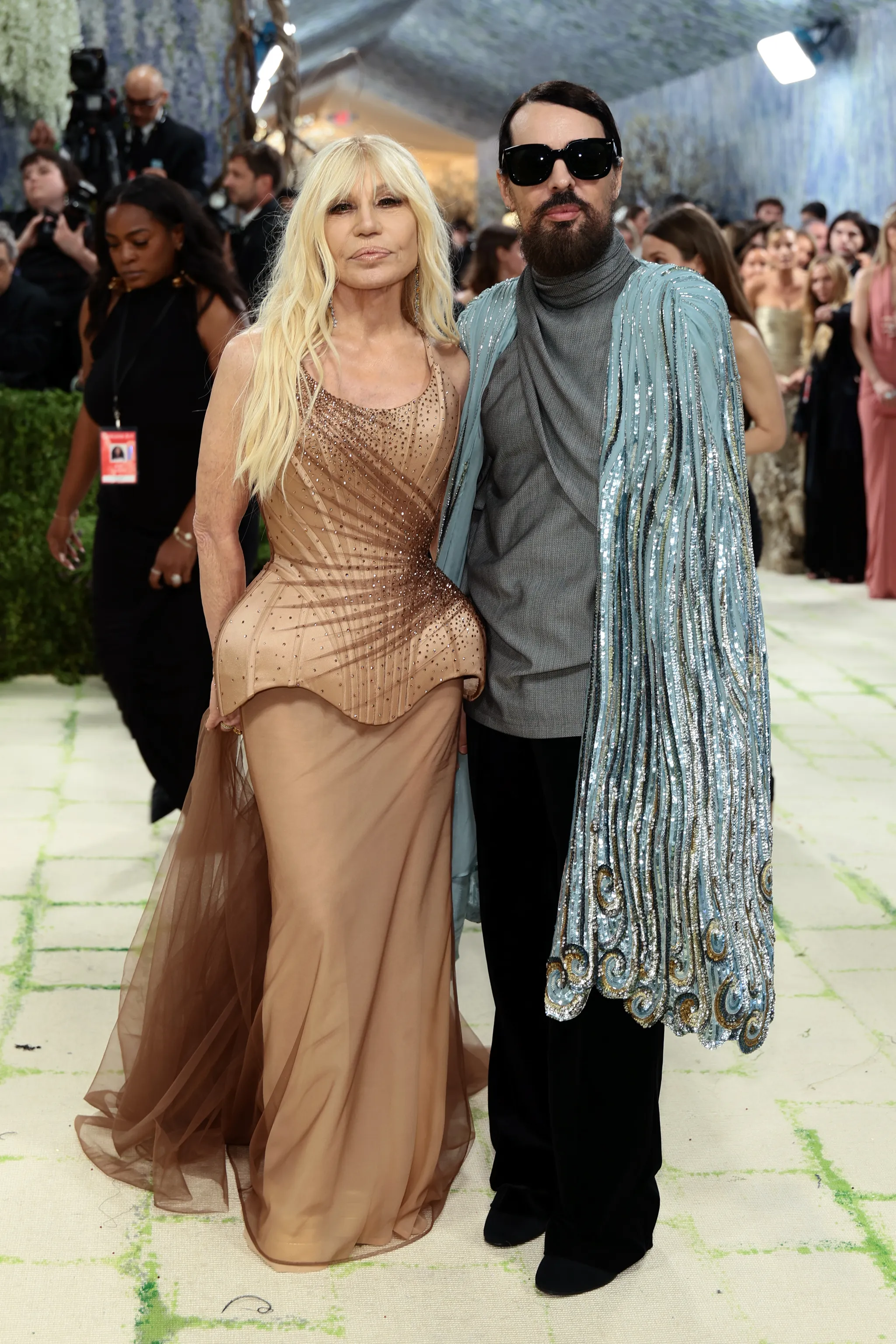
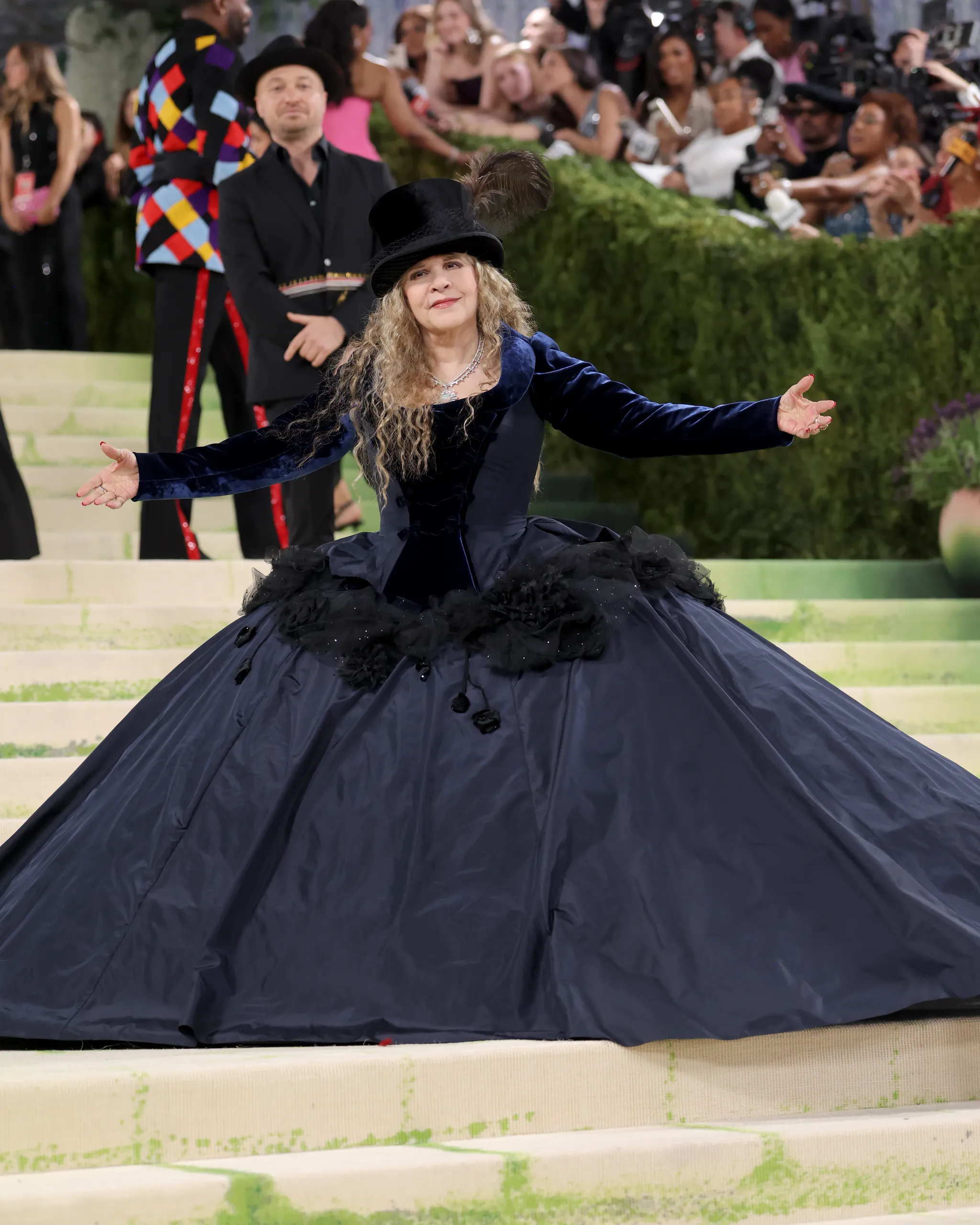
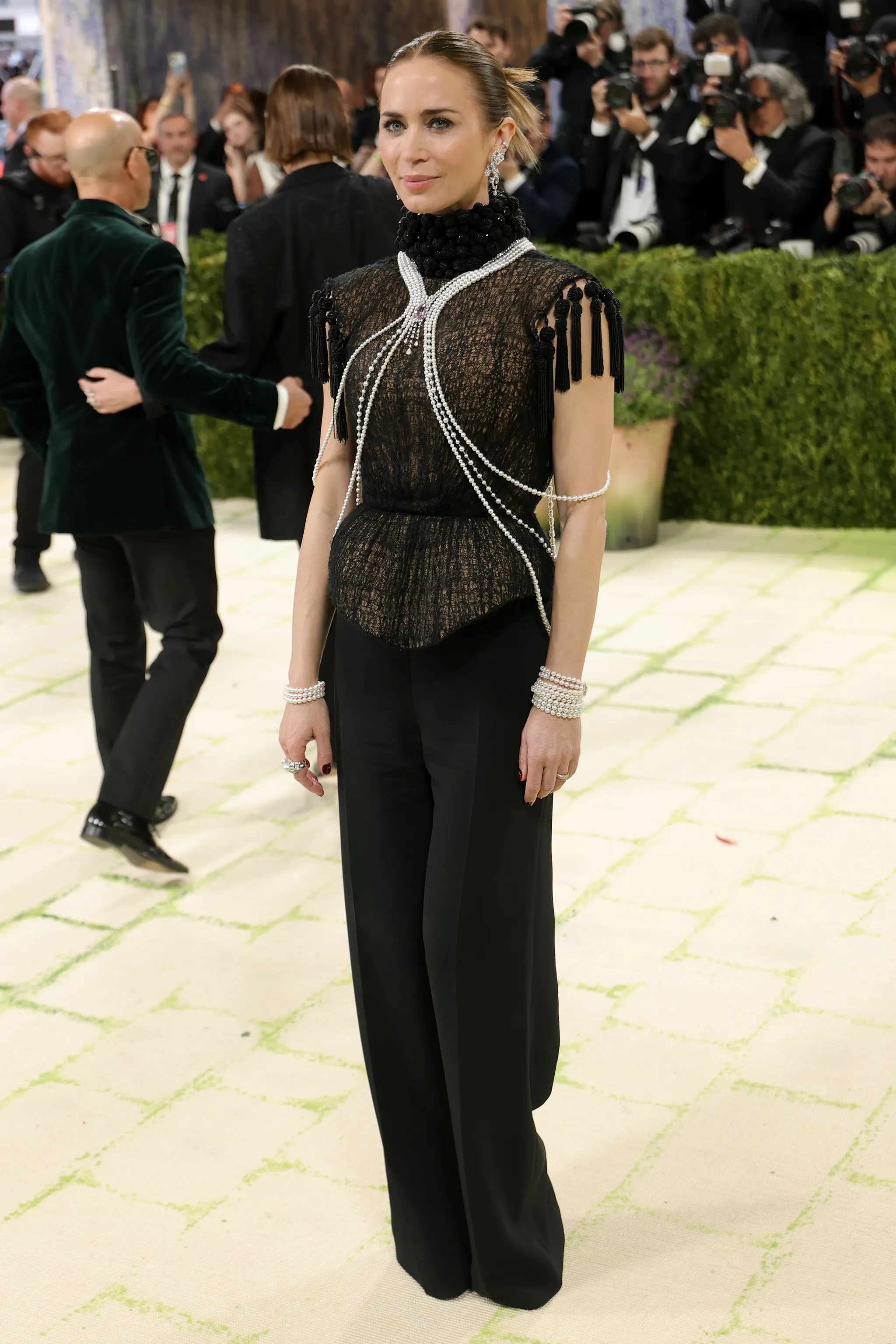
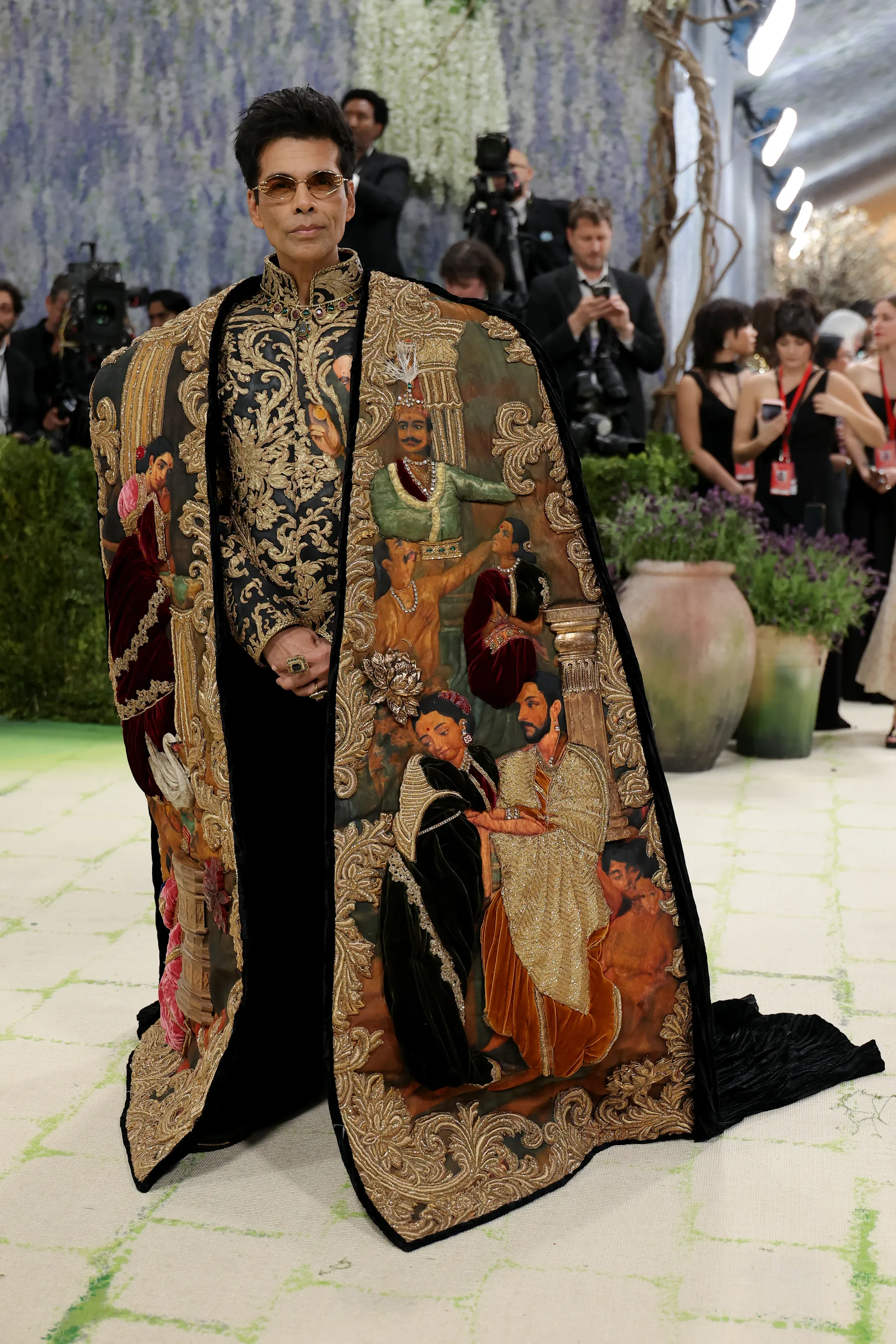
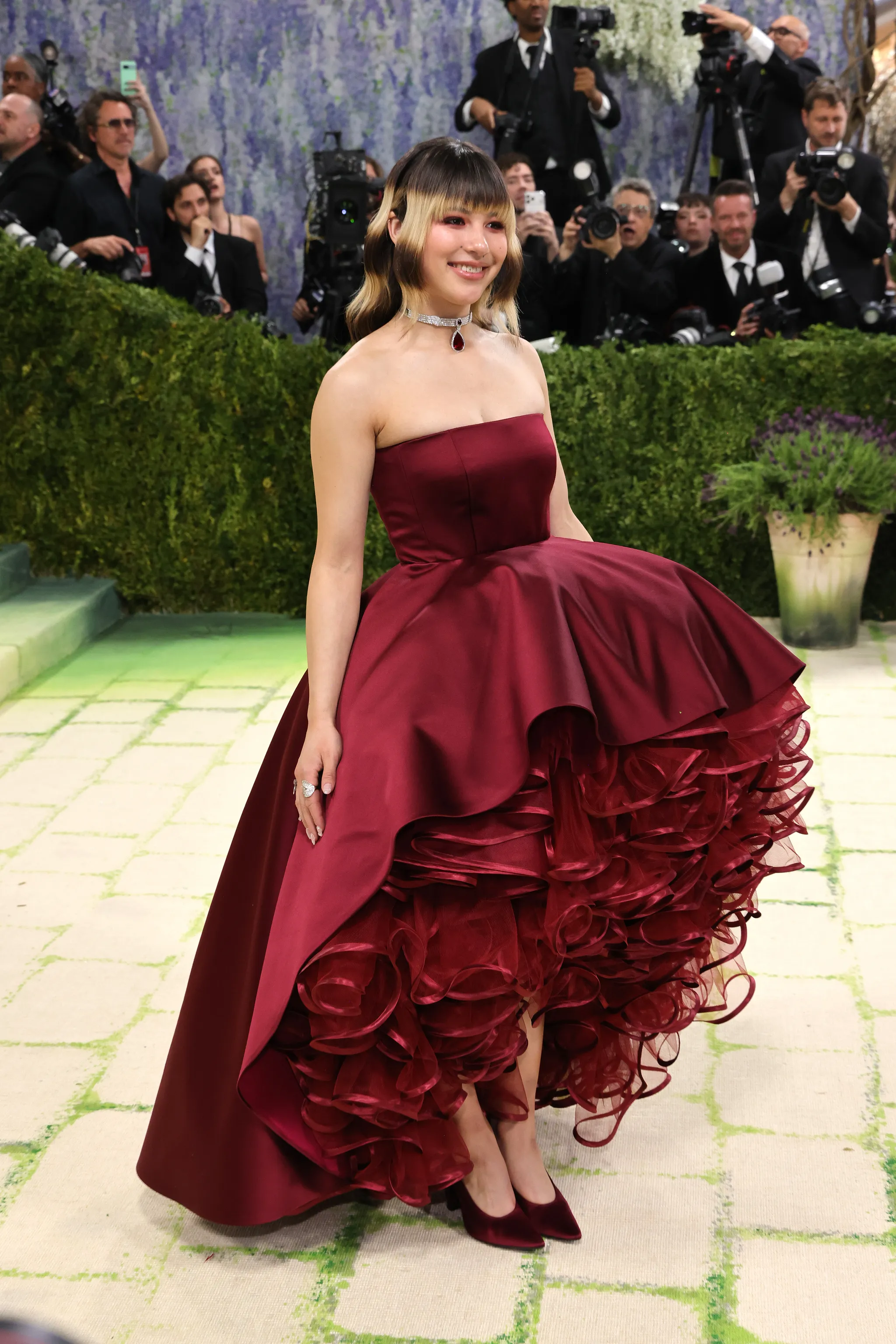
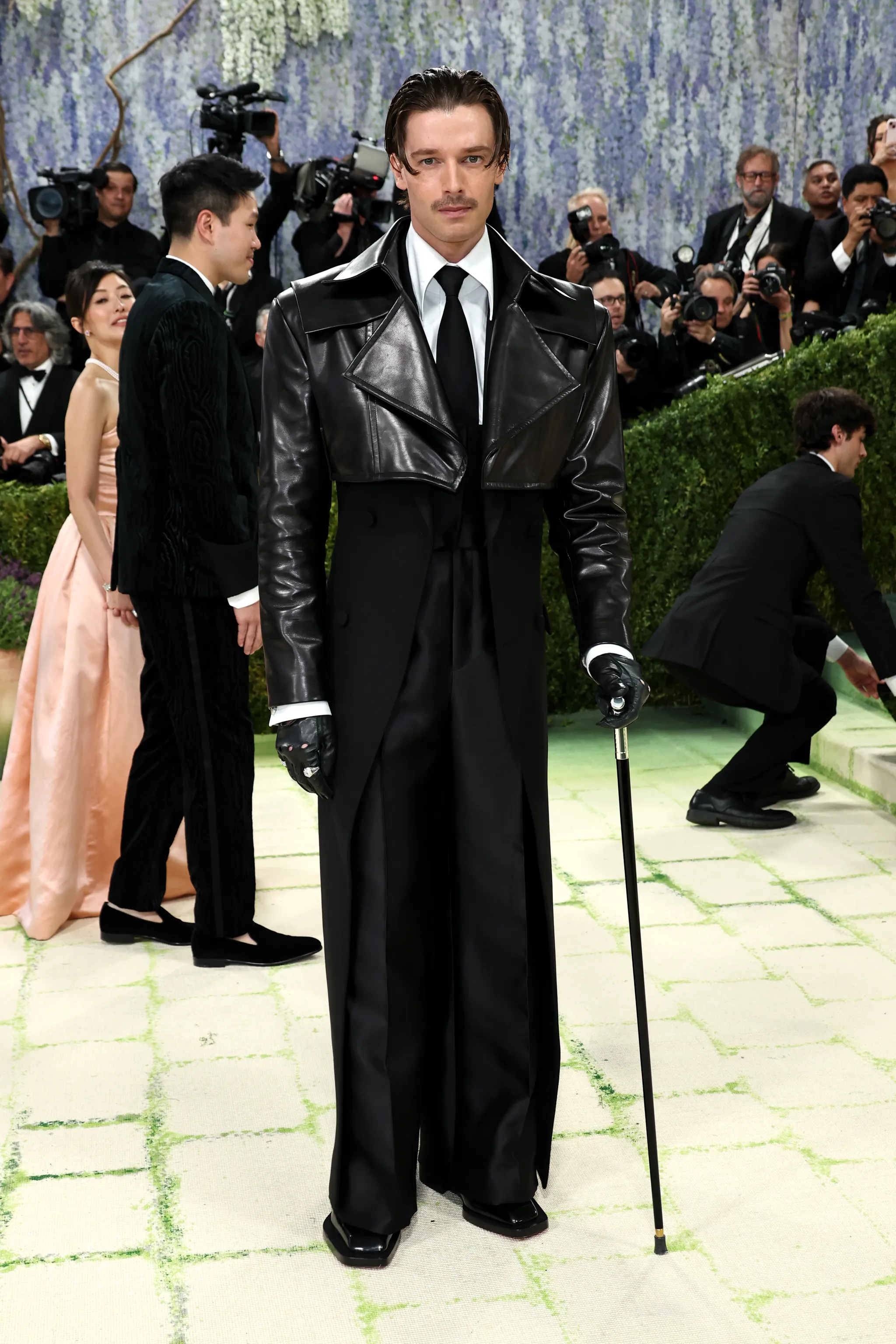
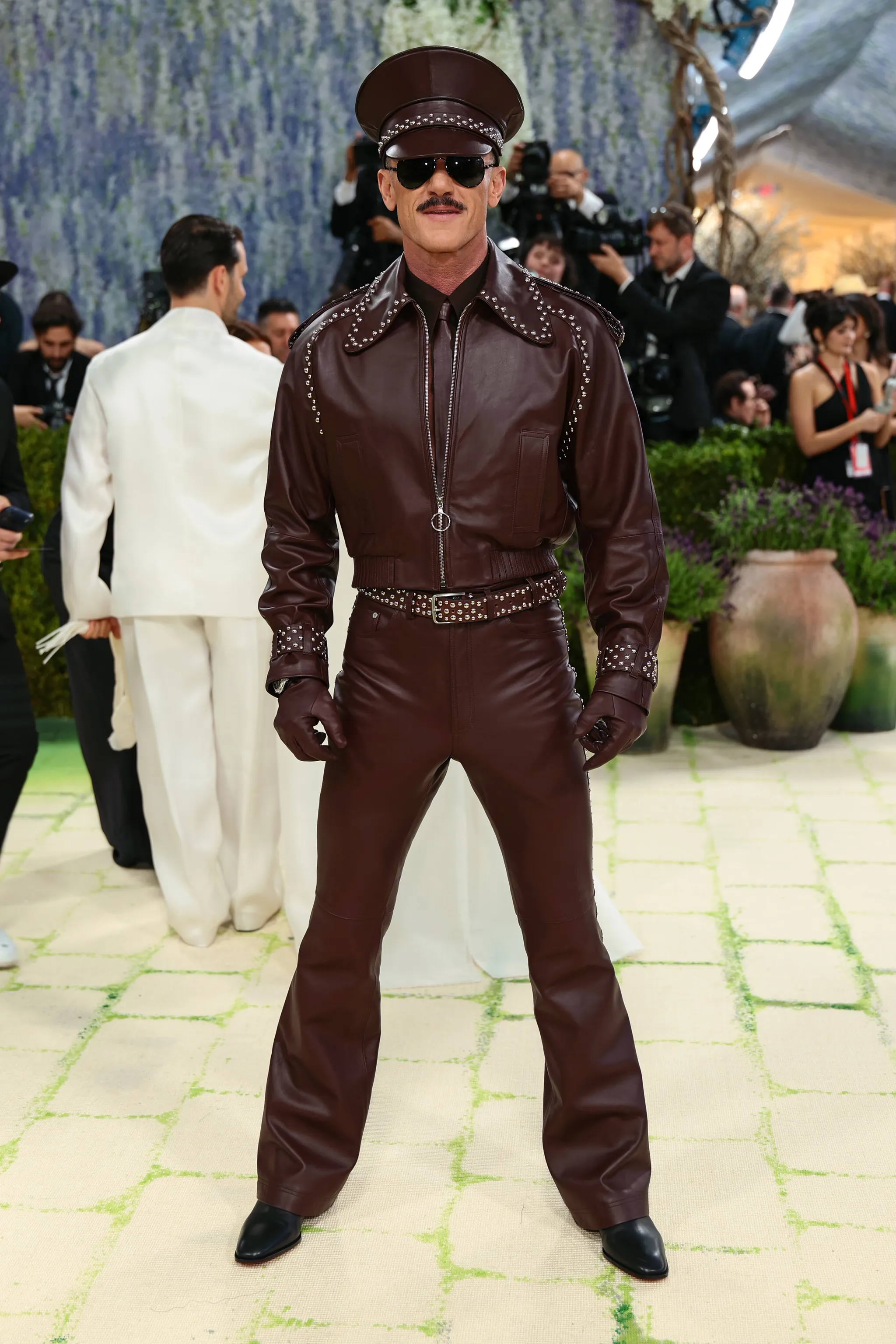
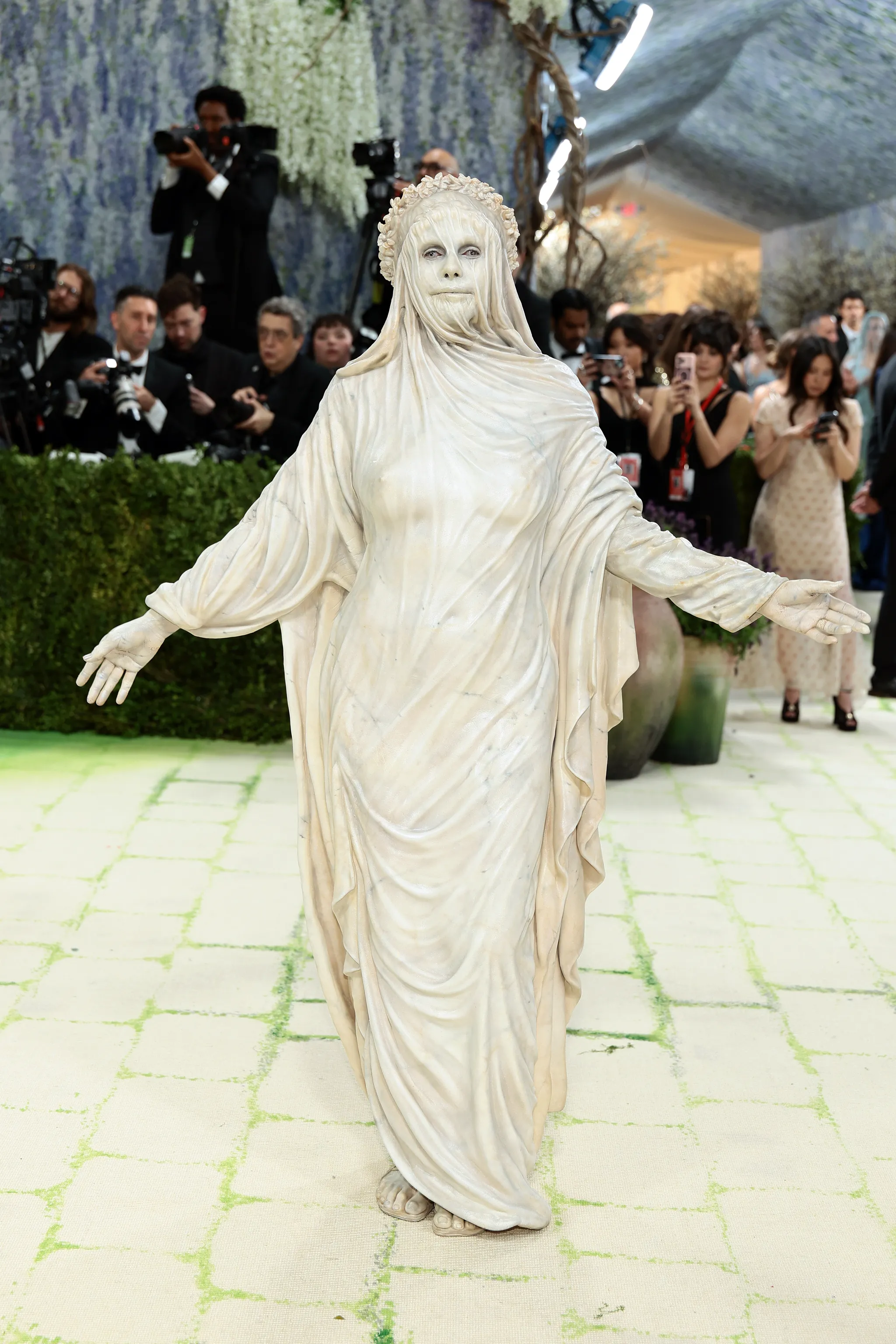
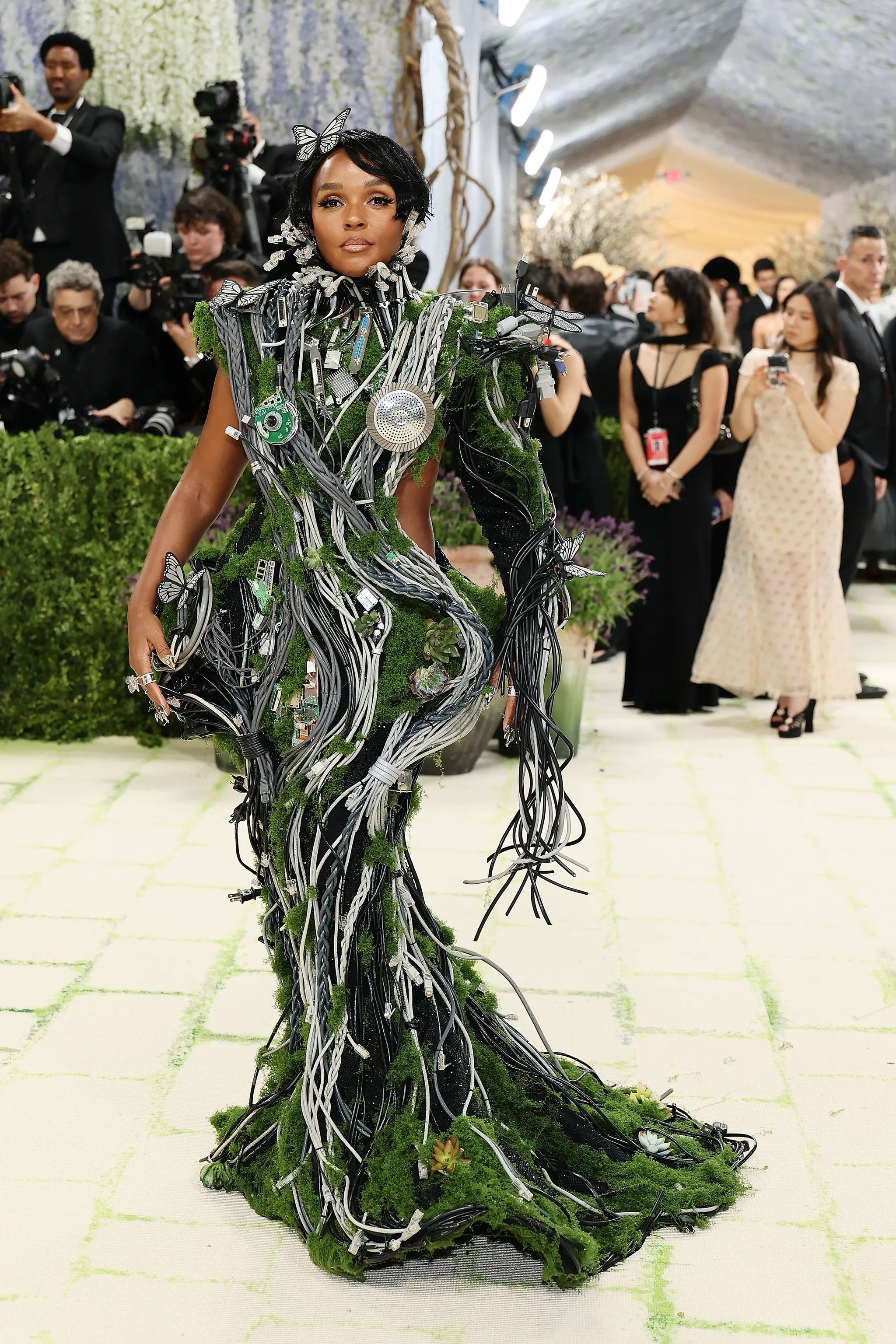
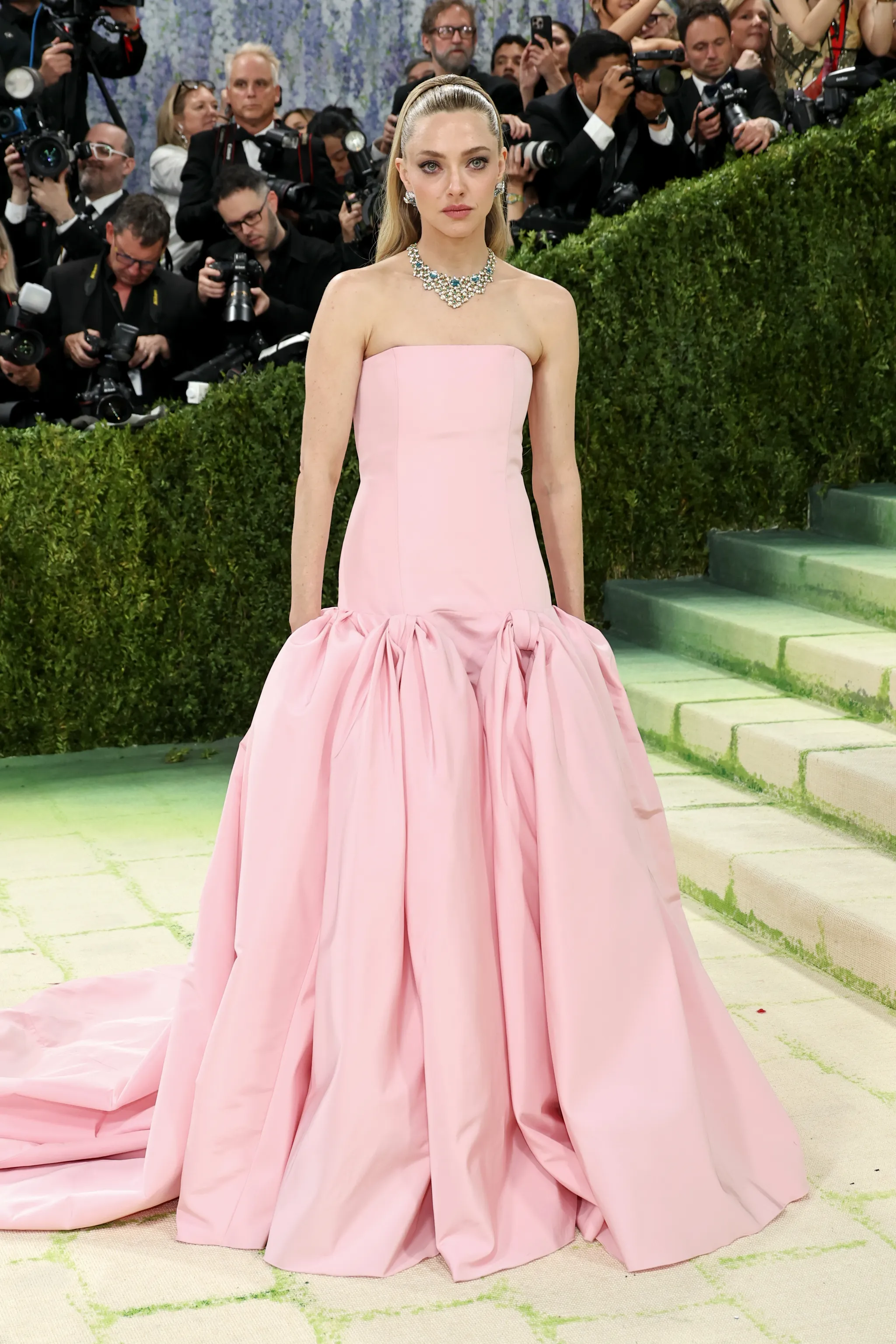
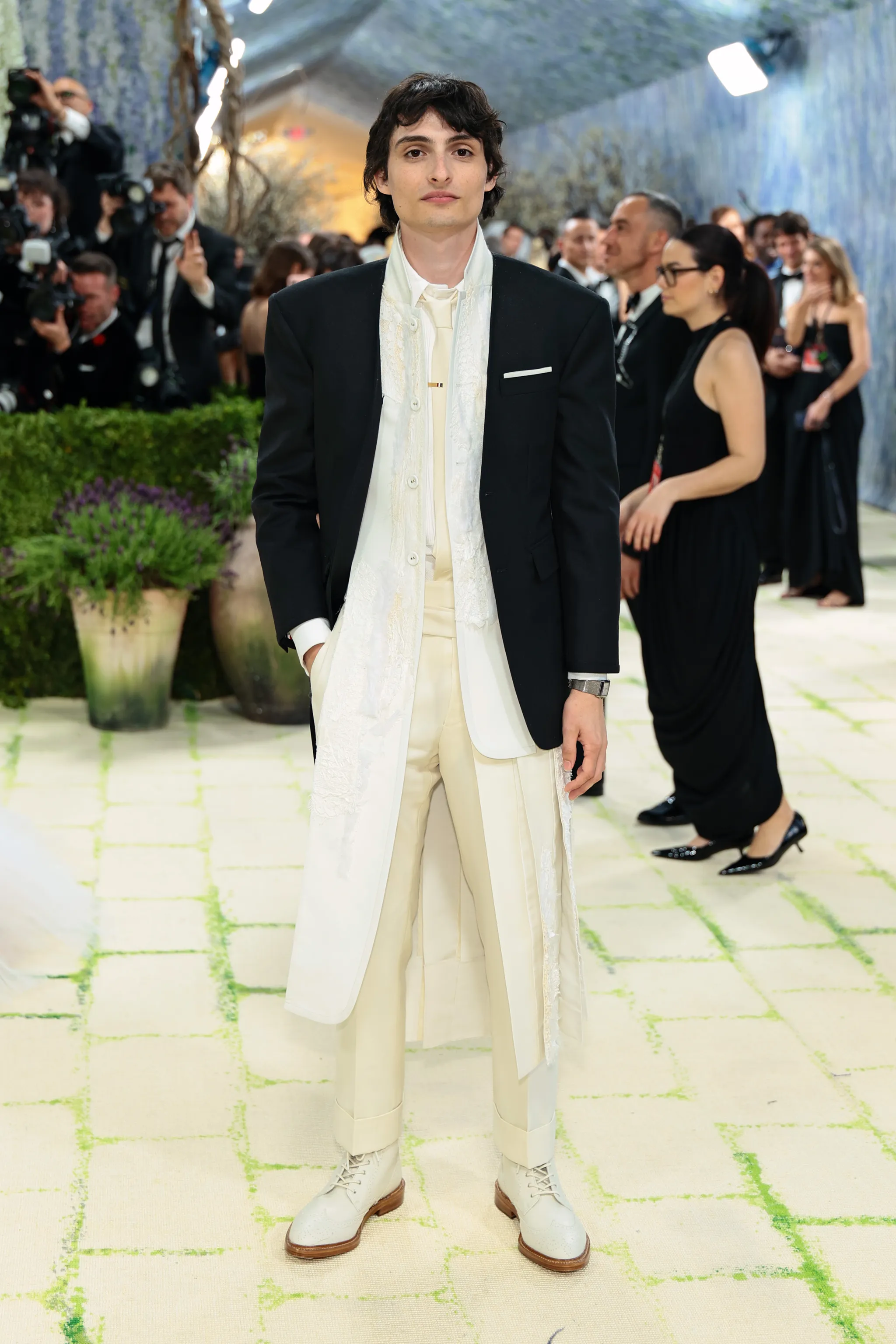
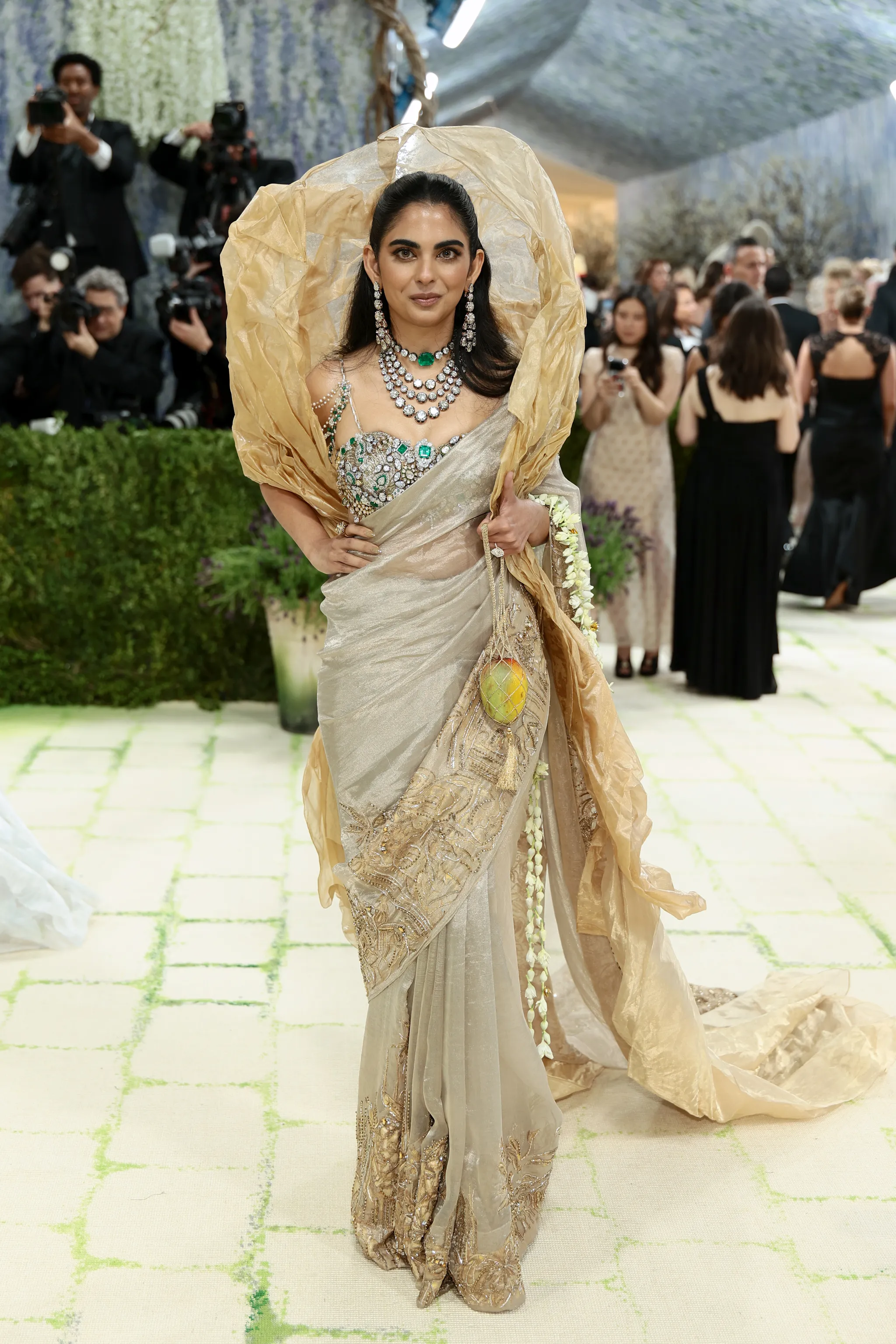
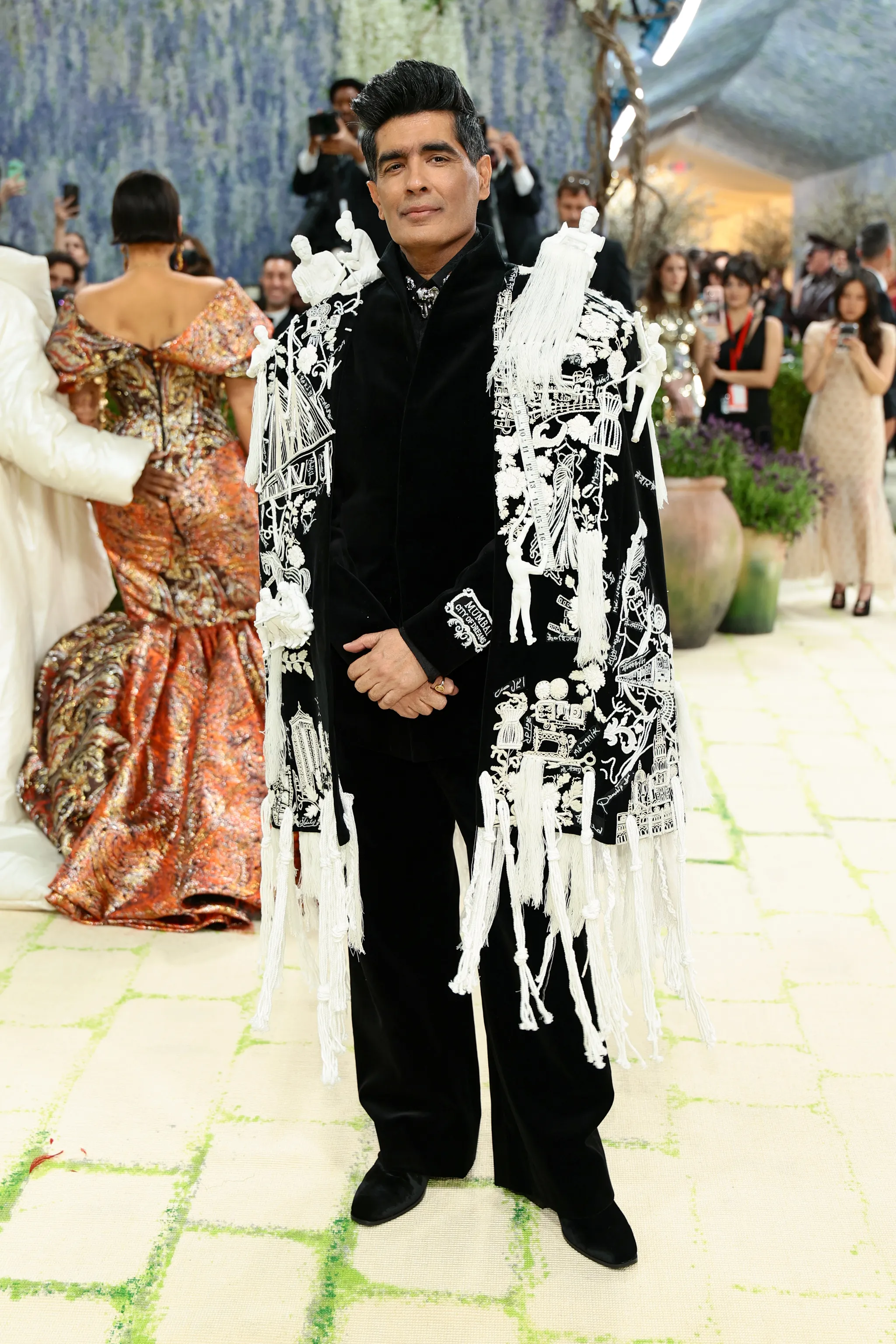
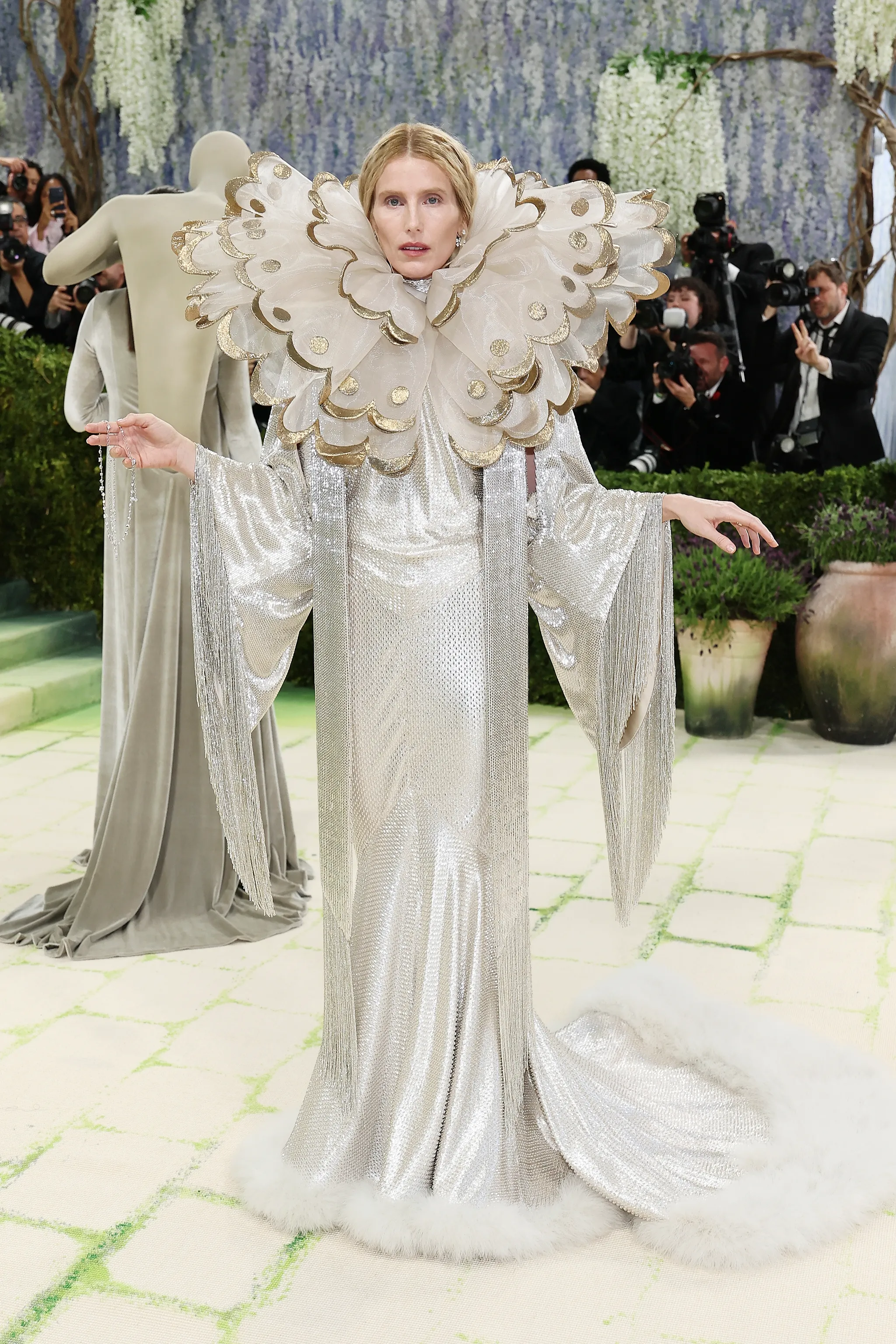
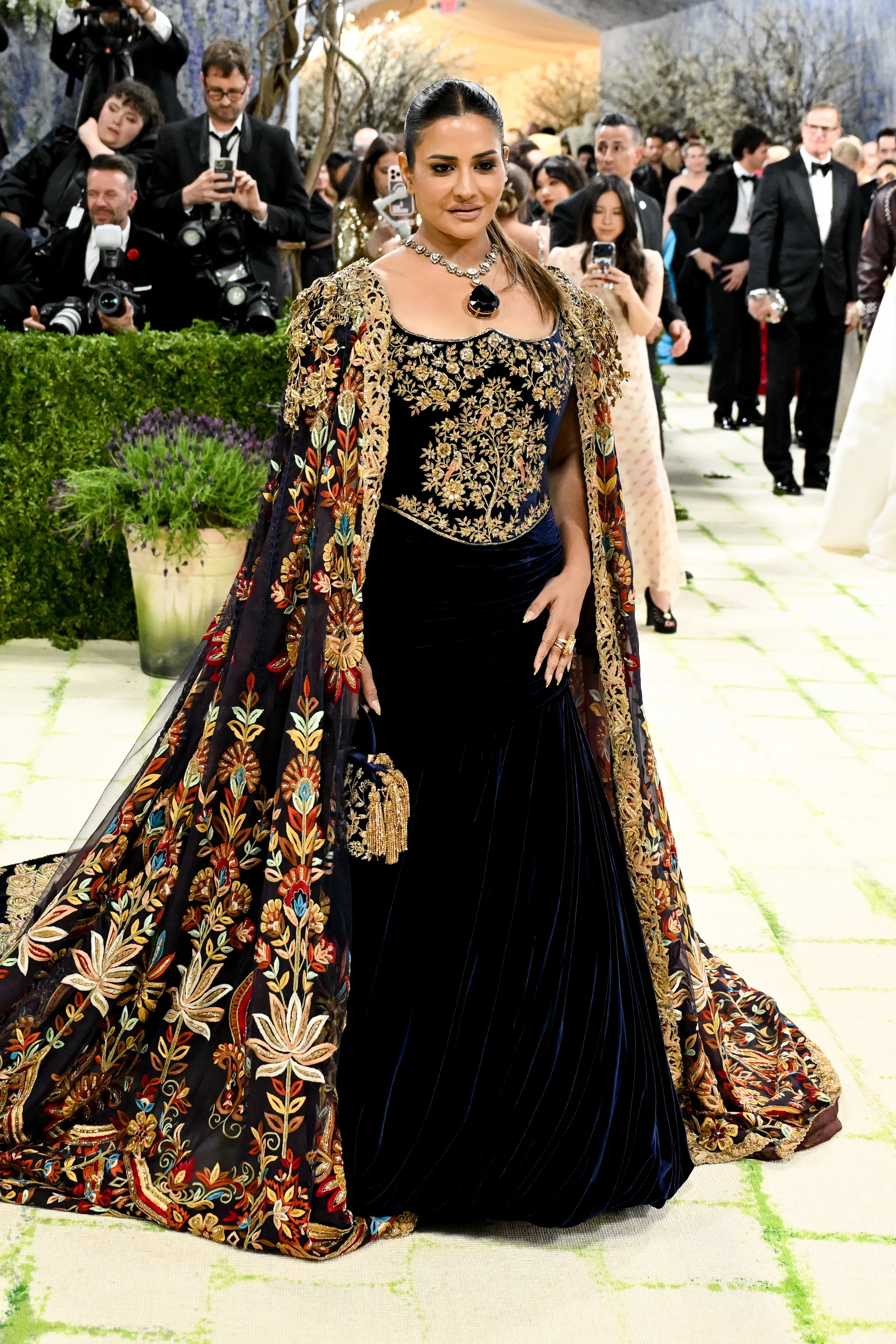
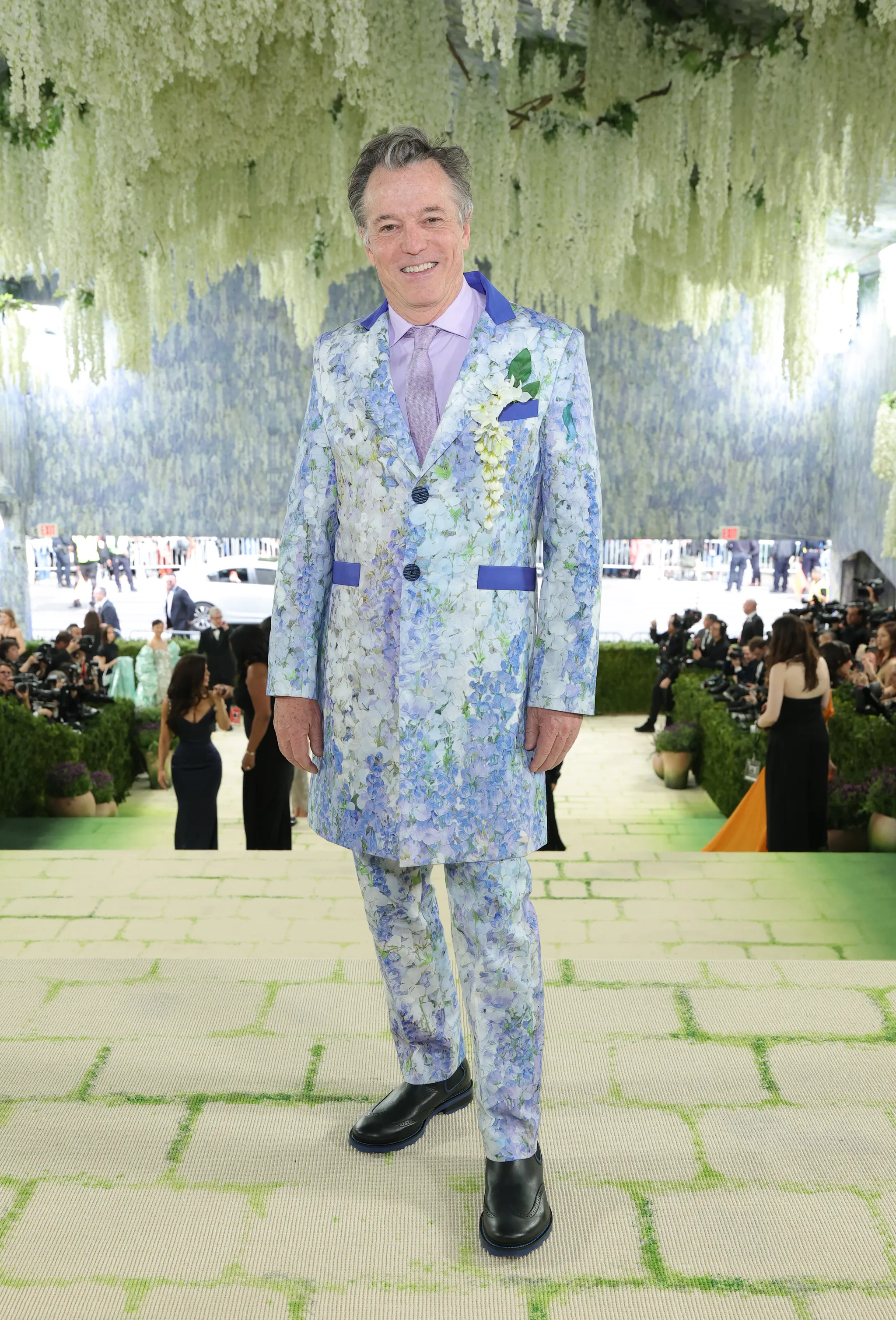
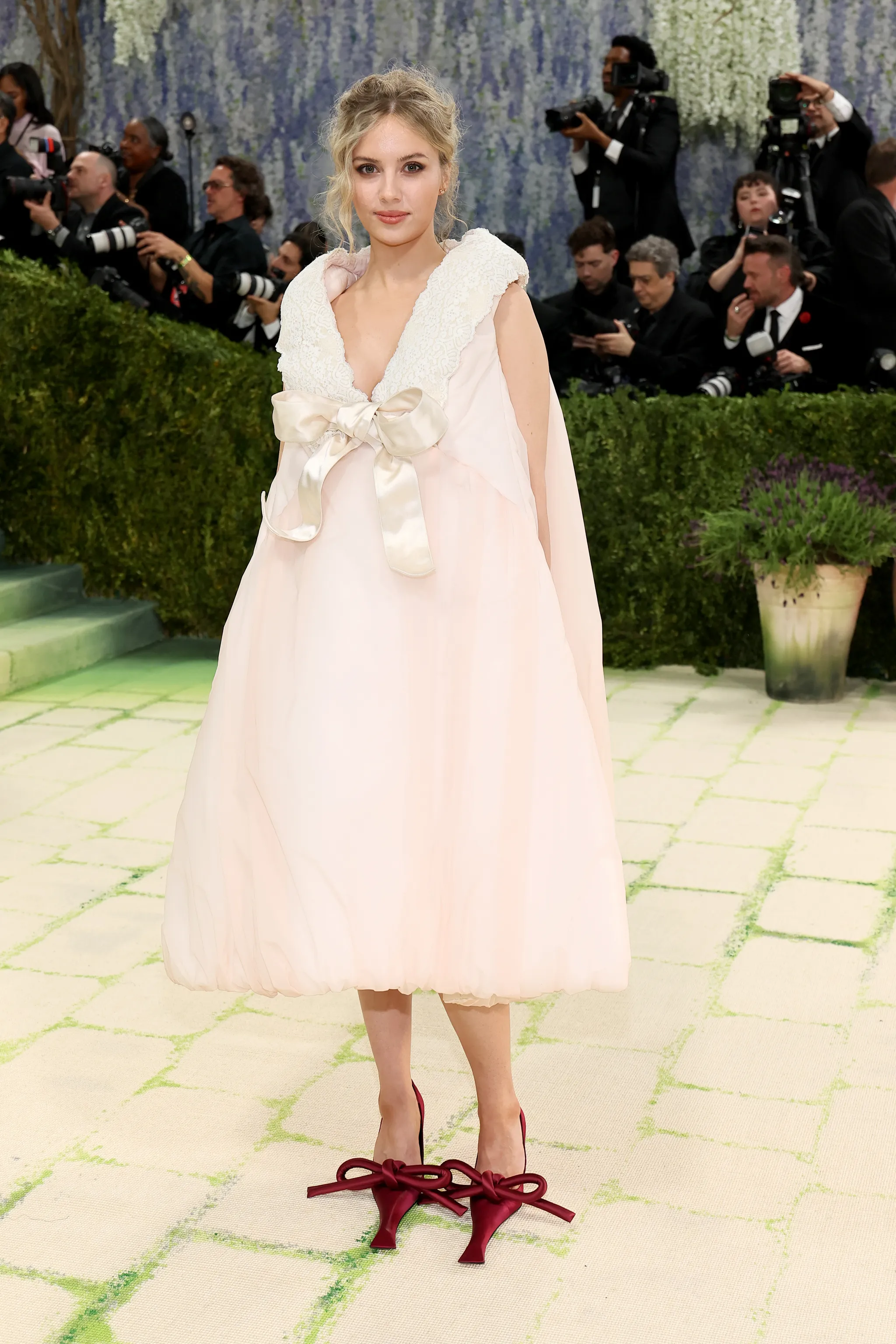
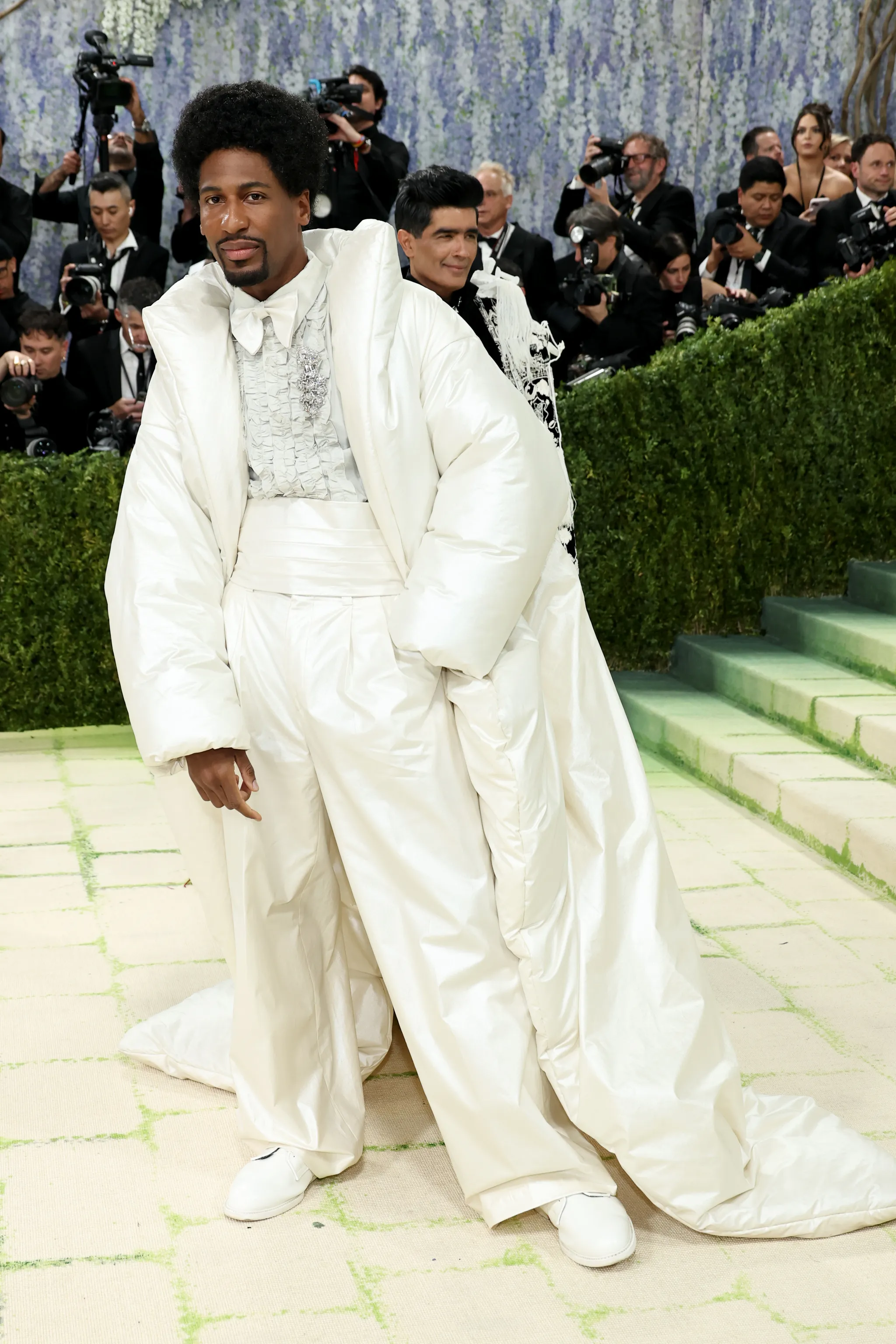
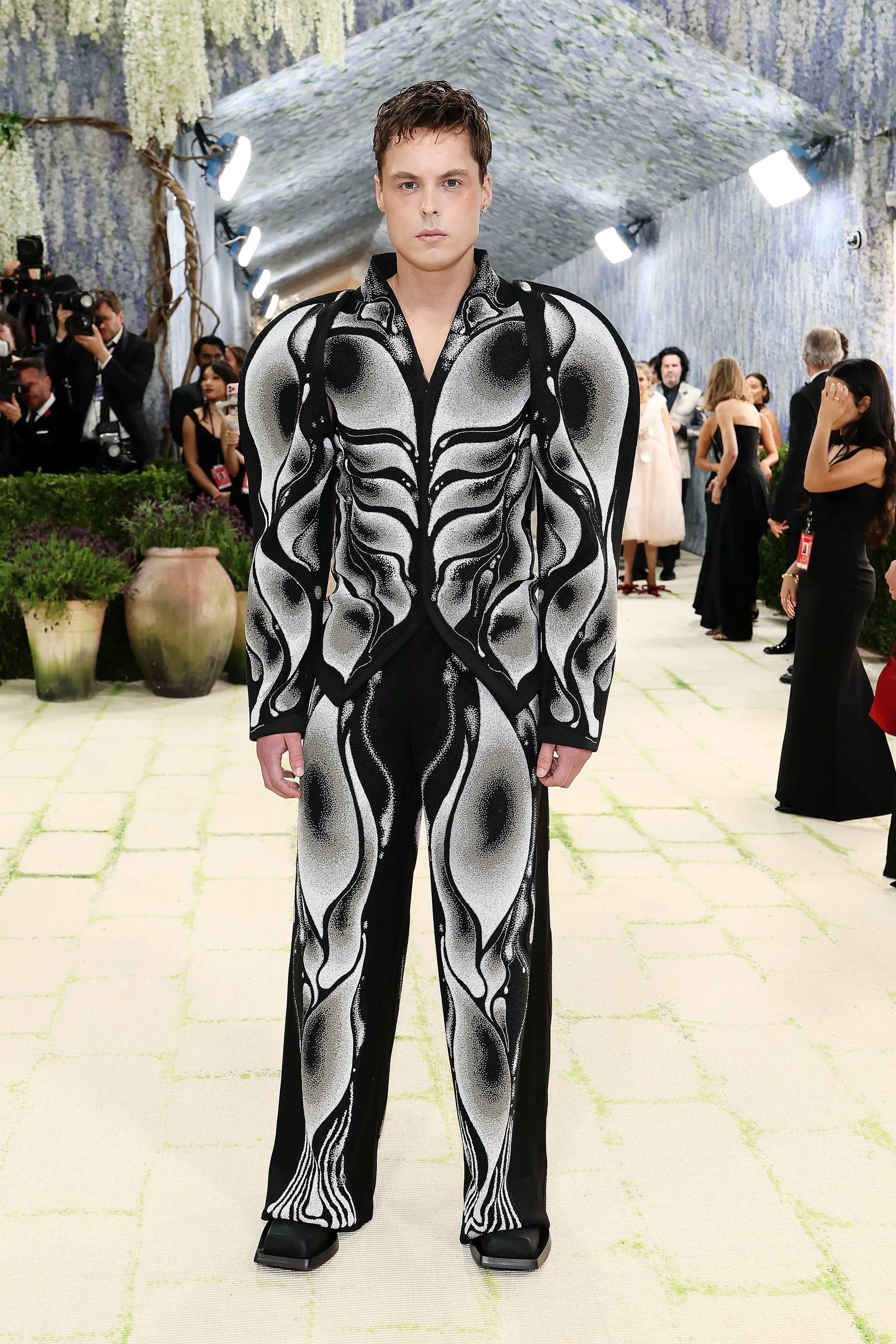
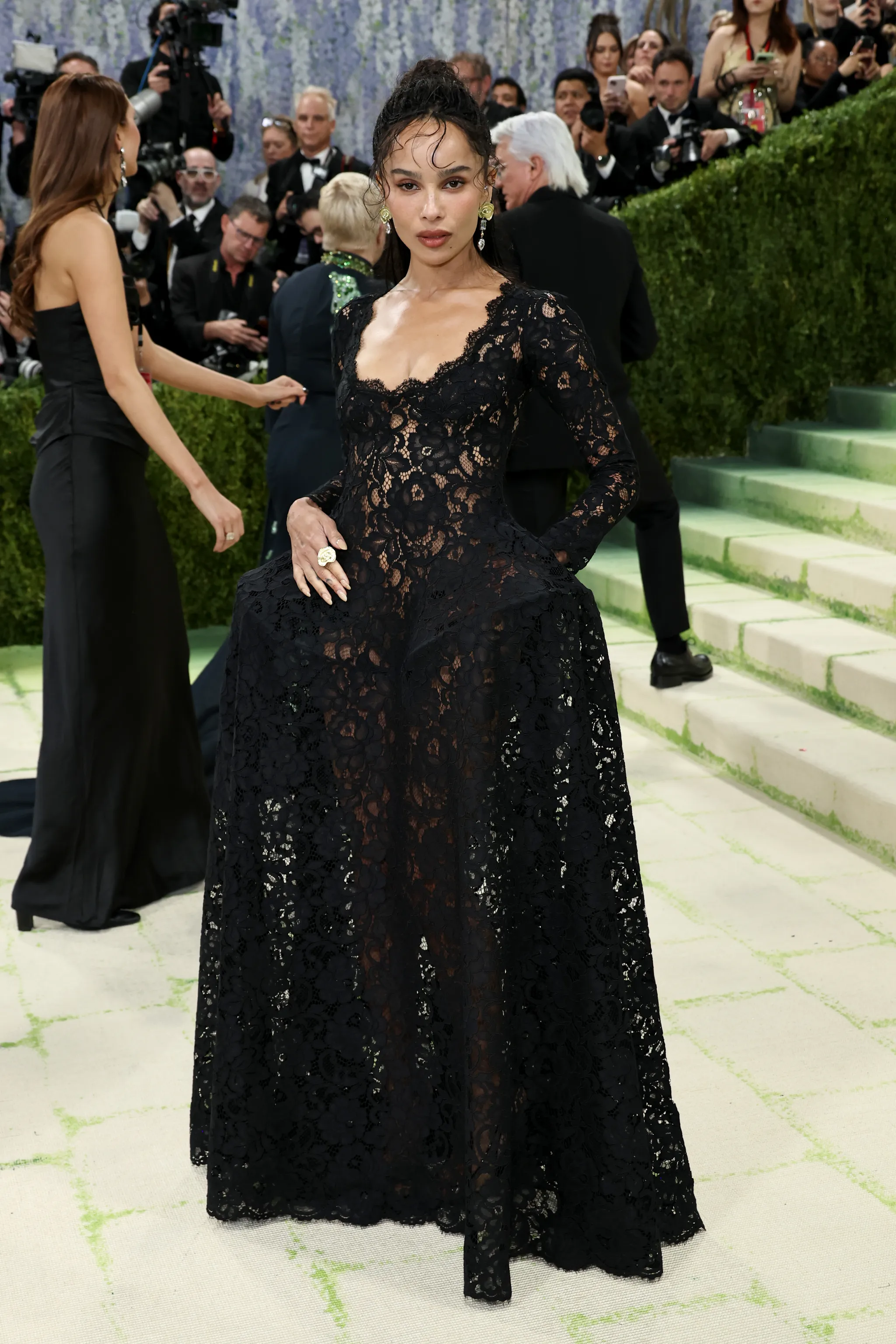
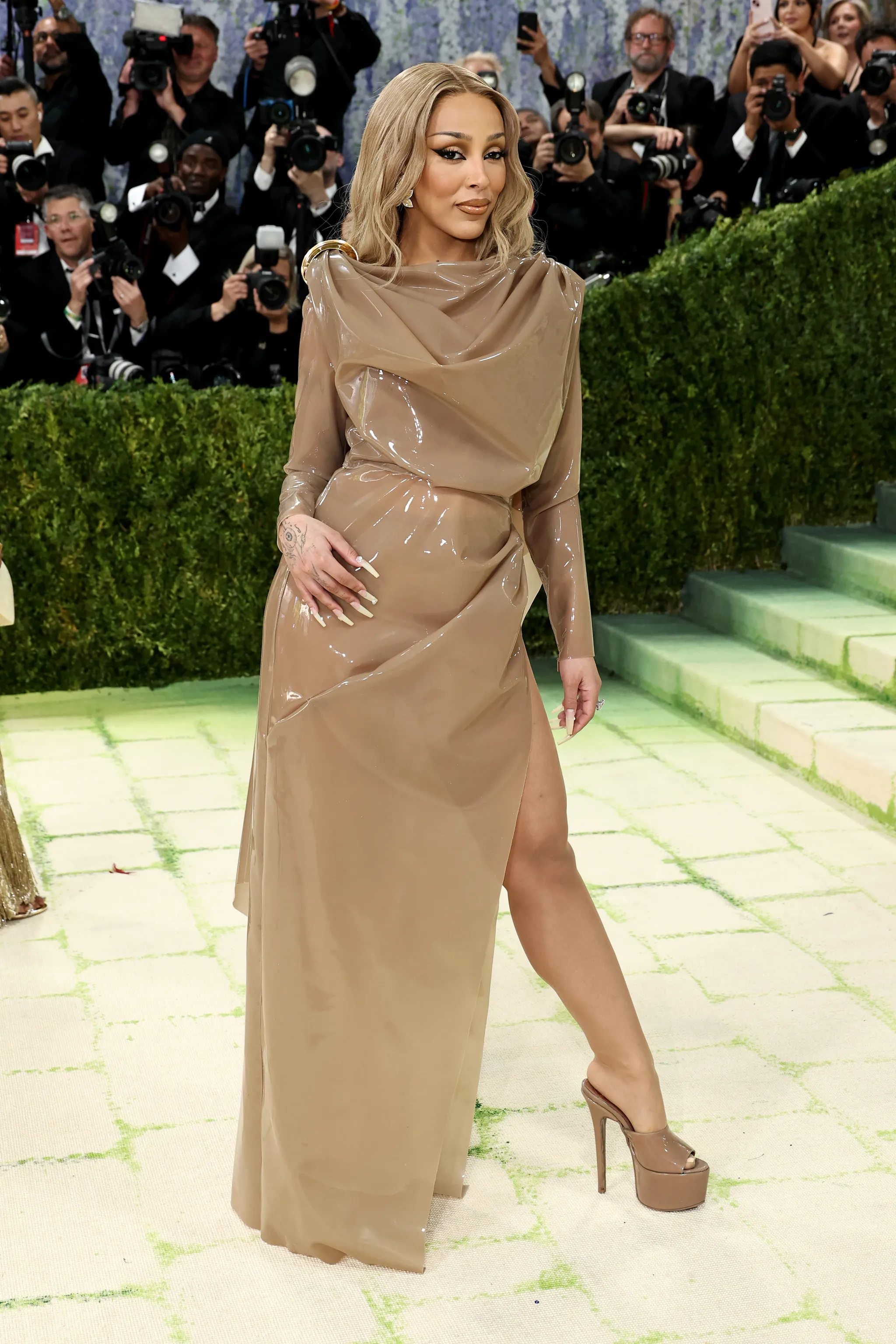
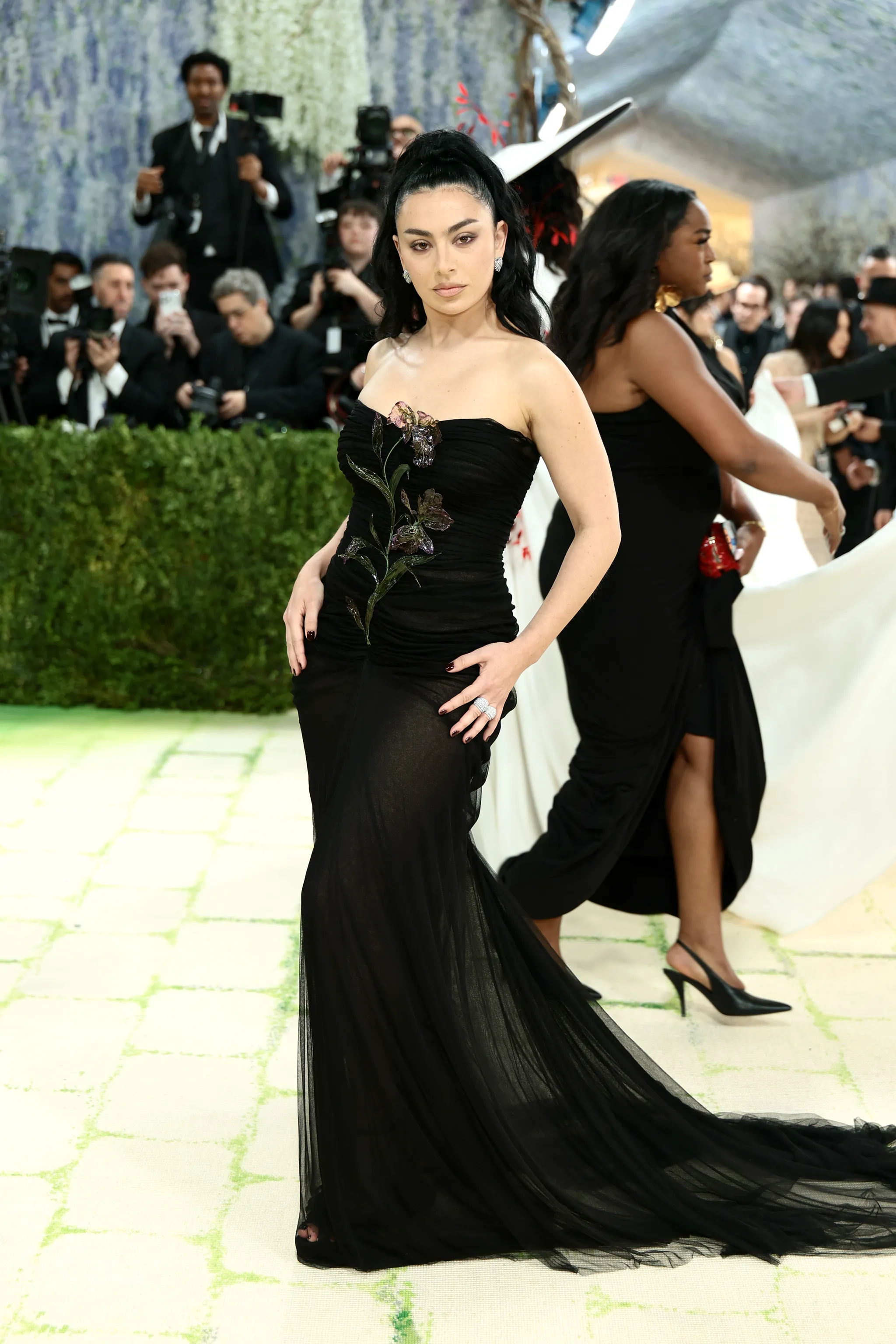
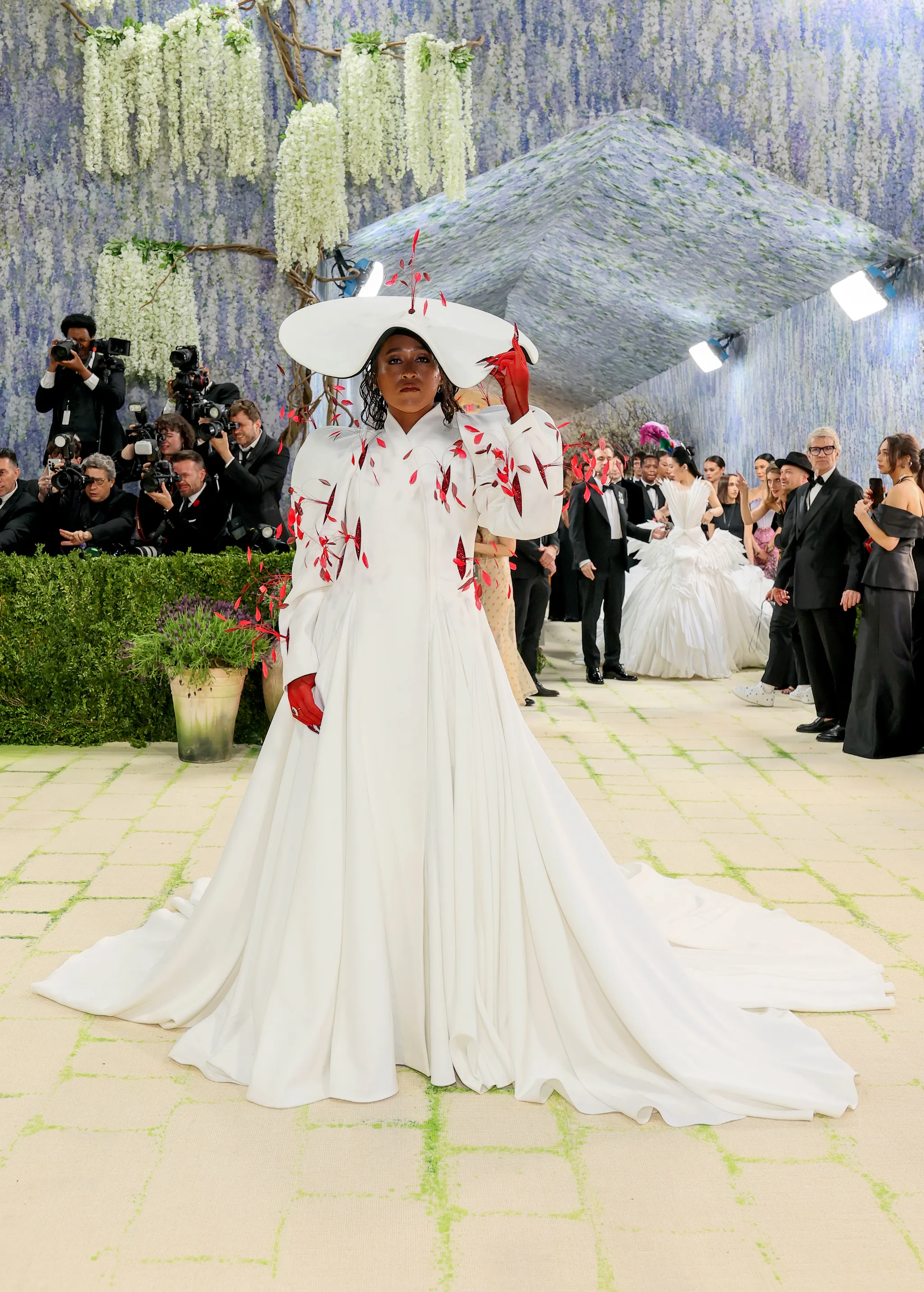
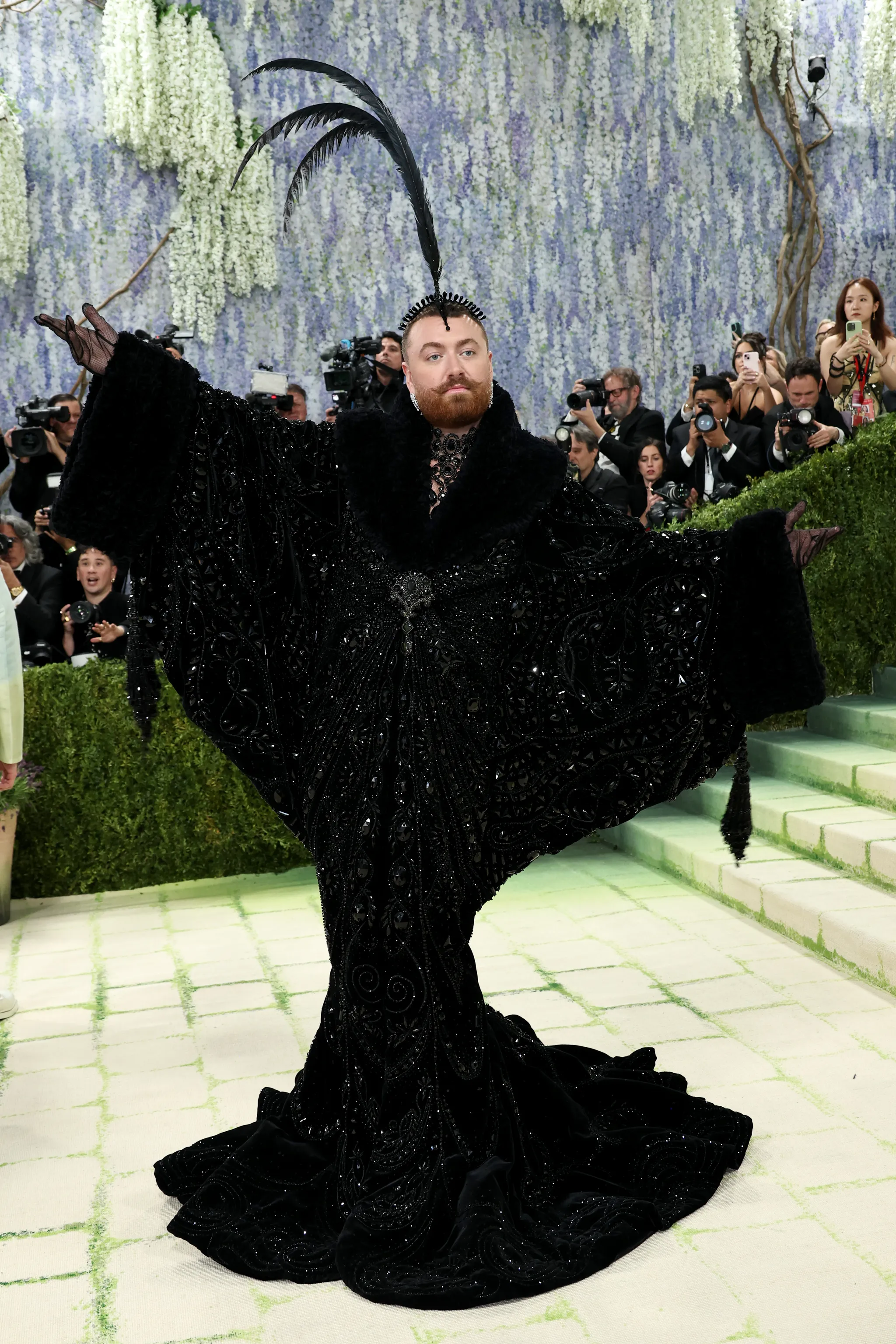
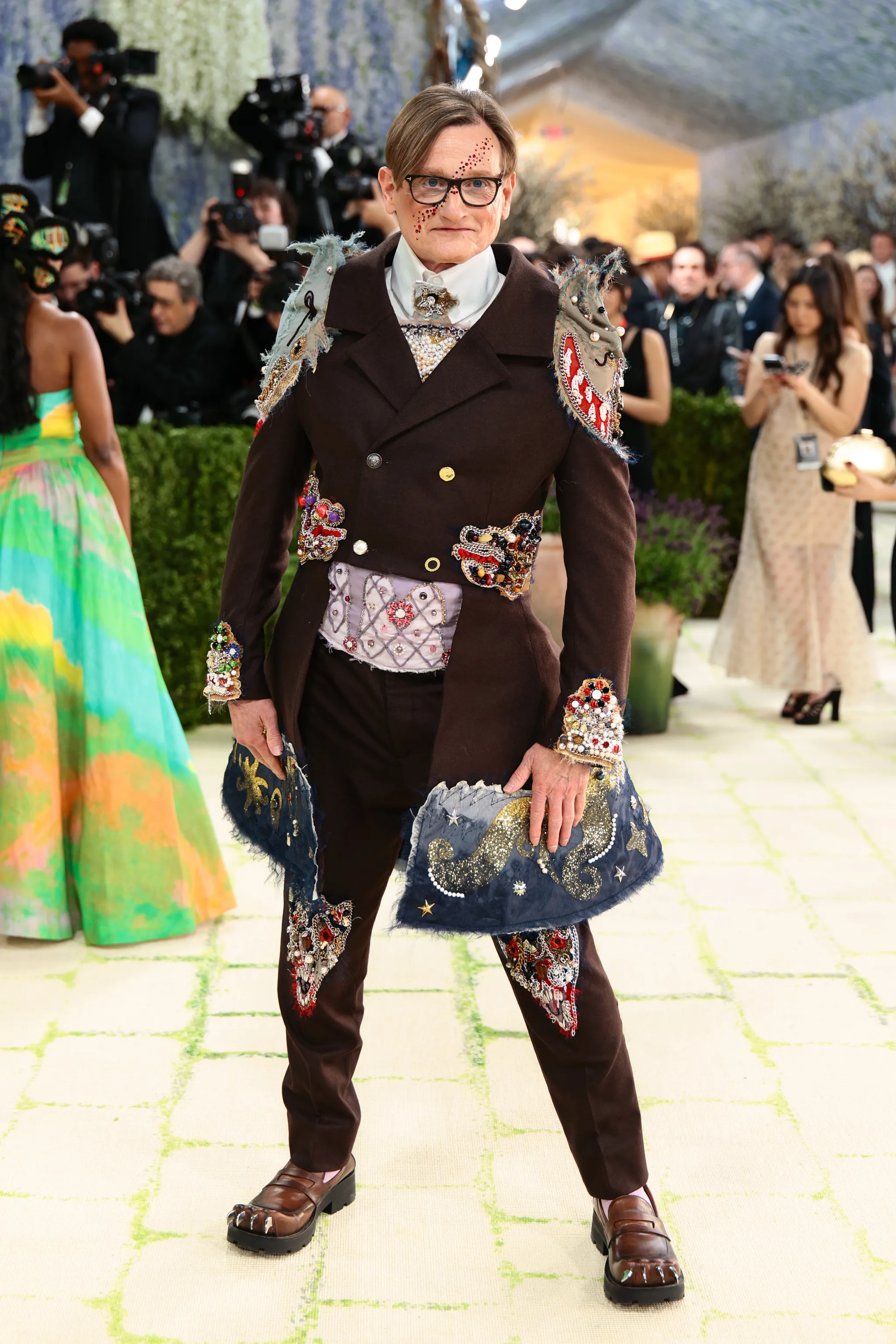
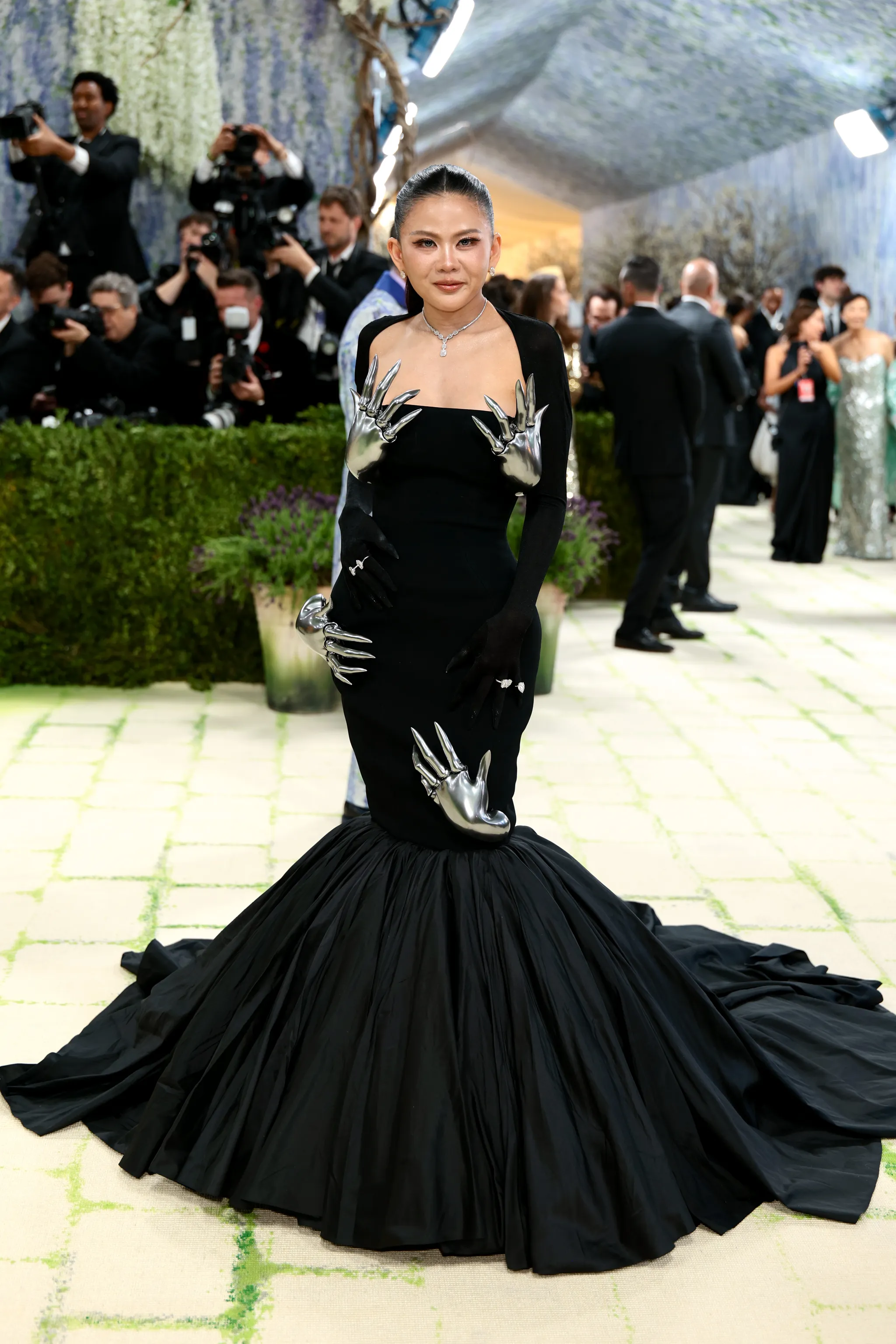
The Surrealist Surge: Anatomy as Ornament
One of the most striking and unexpected trends of the night was the recurring use of hands as sculptural elements. These eerie, artistic motifs felt like a clear homage to Surrealist icons such as Salvador Dalí and Méret Oppenheim. Leading the charge was designer Robert Wun, whose creations stood out for their haunting atmosphere and impressive architectural precision.
Nichapat Suphap stood out for her collaboration with Robert Wun and kinetic artist Casey Curran. Together they created a dramatic all-black floor-length gown featuring sculptural, moving hands that seemed to come alive with every step. This mechanical wonder gave a literal and powerful finish to the evening’s anatomical theme.
Alysa Liu, the celebrated figure skater, made her Met Gala debut in a bold custom Louis Vuitton look. Her “dissected” dress cleverly mimicked a cross-section of the human body, with ruffles shaped like muscle fibers and delicate vein details, a striking way of celebrating the raw, inner workings of both the body and the garment as art.
Towards a New Era of Inclusion: The Accessibility Revolution at the Met Gala
The 2026 Met Gala will be remembered as a landmark night for inclusion and representation. In a truly historic moment, Aaron Rose Philip, the brilliant Antiguan-American model, musician, and activist, became the first wheelchair user to grace the Met Gala red carpet. As a Black transgender woman living with quadriplegic cerebral palsy, Philip’s presence was powerful, emotional, and long overdue. She described the evening as a joyful moment of finally being “recognized and valued” by the industry she has helped transform. But the celebration of inclusion didn’t stop there. The night marked a beautiful and meaningful step forward, with disability representation shining brightly both on the carpet and inside the “Costume Art” exhibition.Three extraordinary women led this powerful moment:
Aaron Rose Philip shone in a custom Collina Strada gown by Hillary Taymour, a designer known for her dedication to inclusive and adaptive fashion.
Aimee Mullins, the iconic Paralympic athlete, model, and disability advocate, once again proved why she remains a trailblazer. With her prosthetic legs proudly on display, she turned them into a stunning part of her artistic expression, beautifully blending strength, technology, and high fashion.
Sinéad Burke, the brilliant Irish activist and academic with achondroplasia, delivered one of the most elegant and memorable looks of the night in a breathtaking black corseted gown by Christian Siriano. The dress, with its delicate sparkly embroidery, flowing sleeves, and dramatic sheer train, moved with her in perfect harmony , a true celebration of sophistication and confidence.
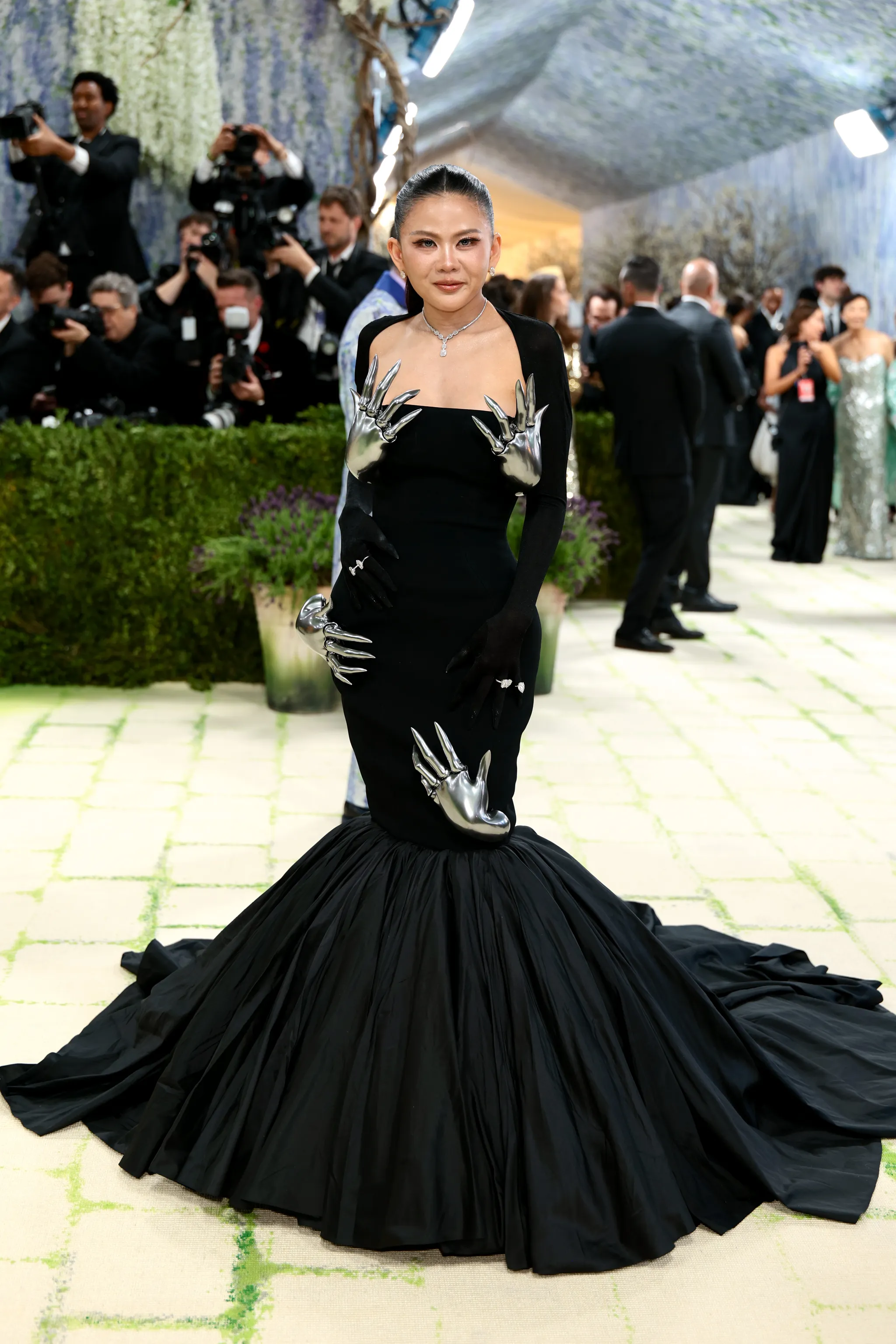
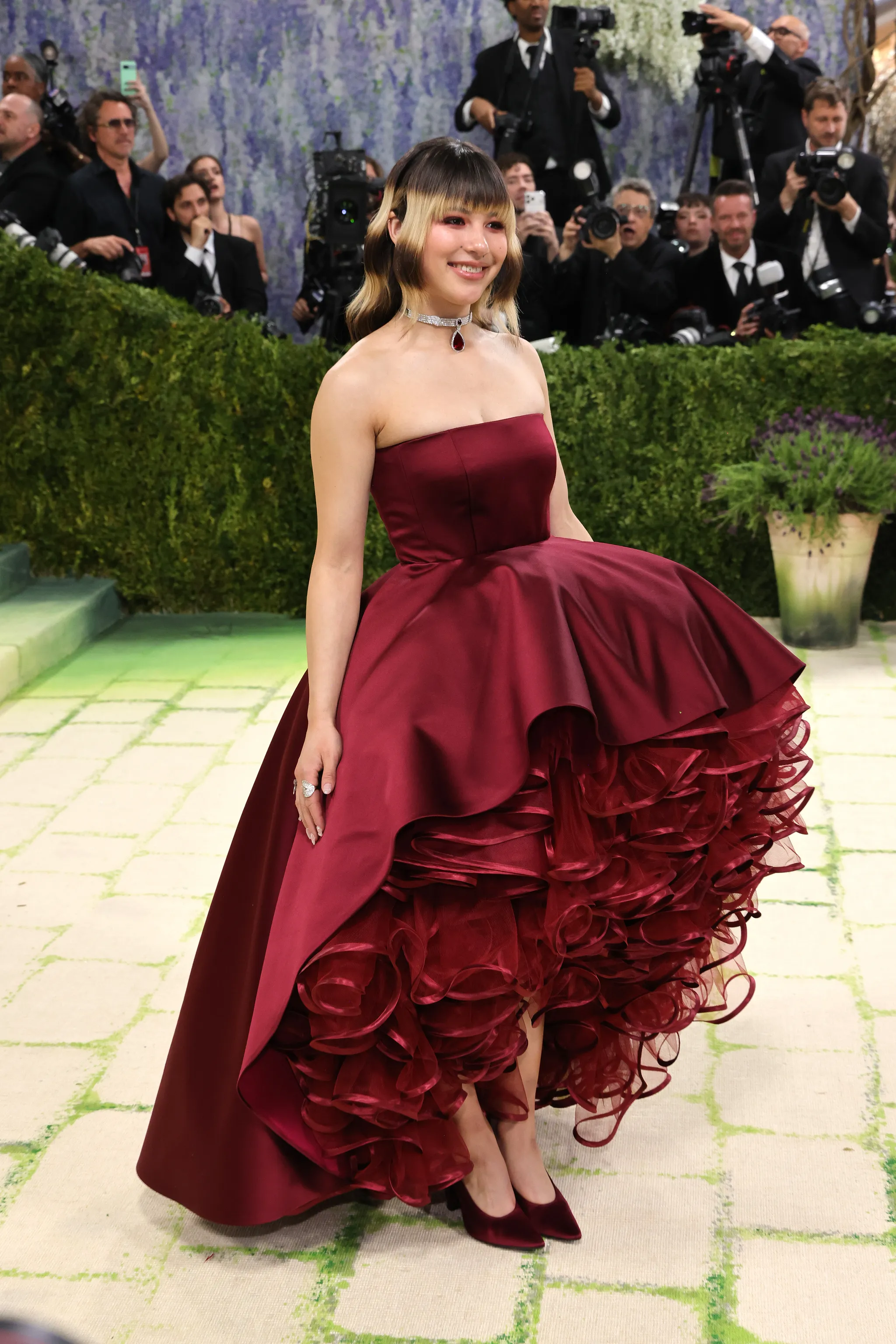
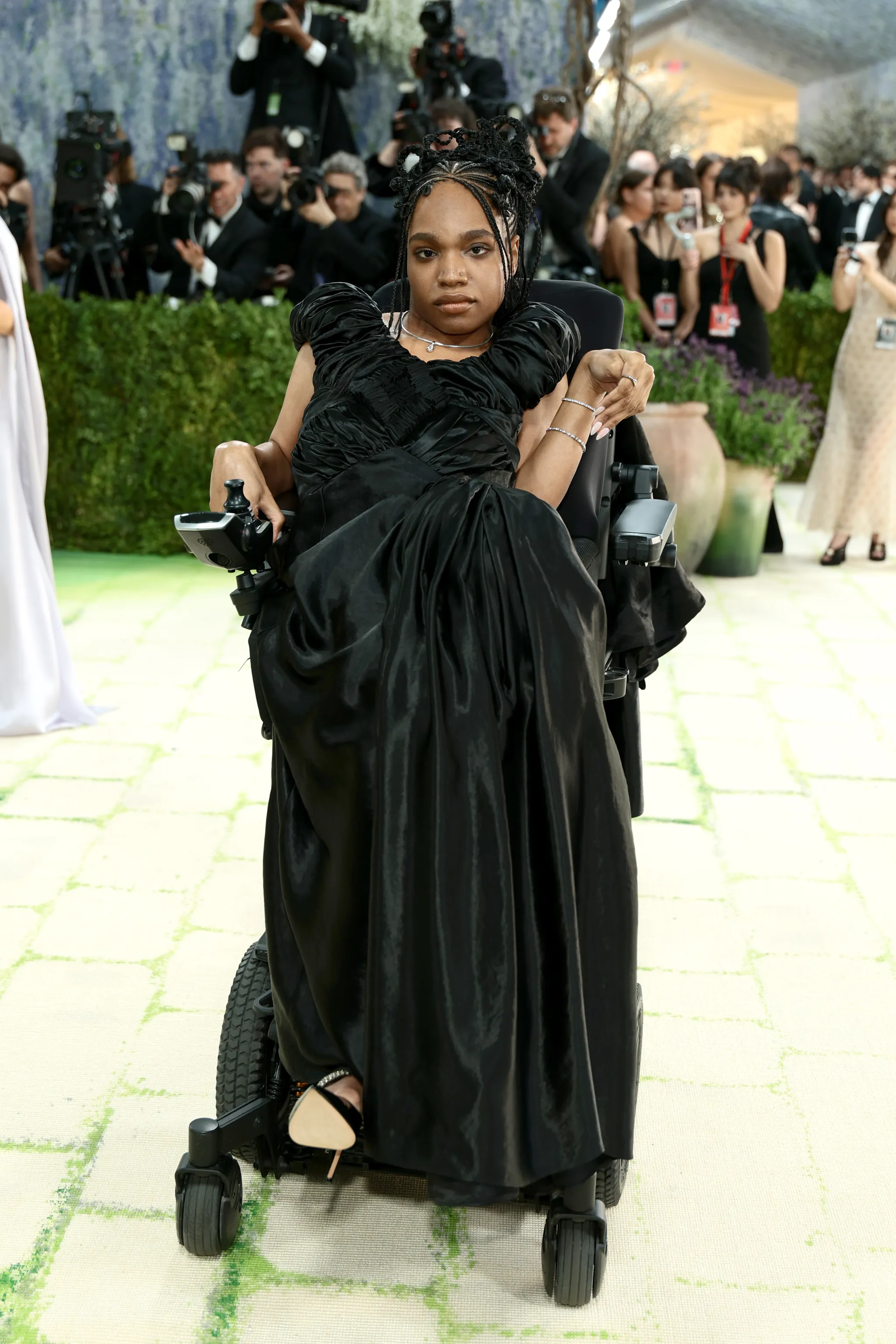
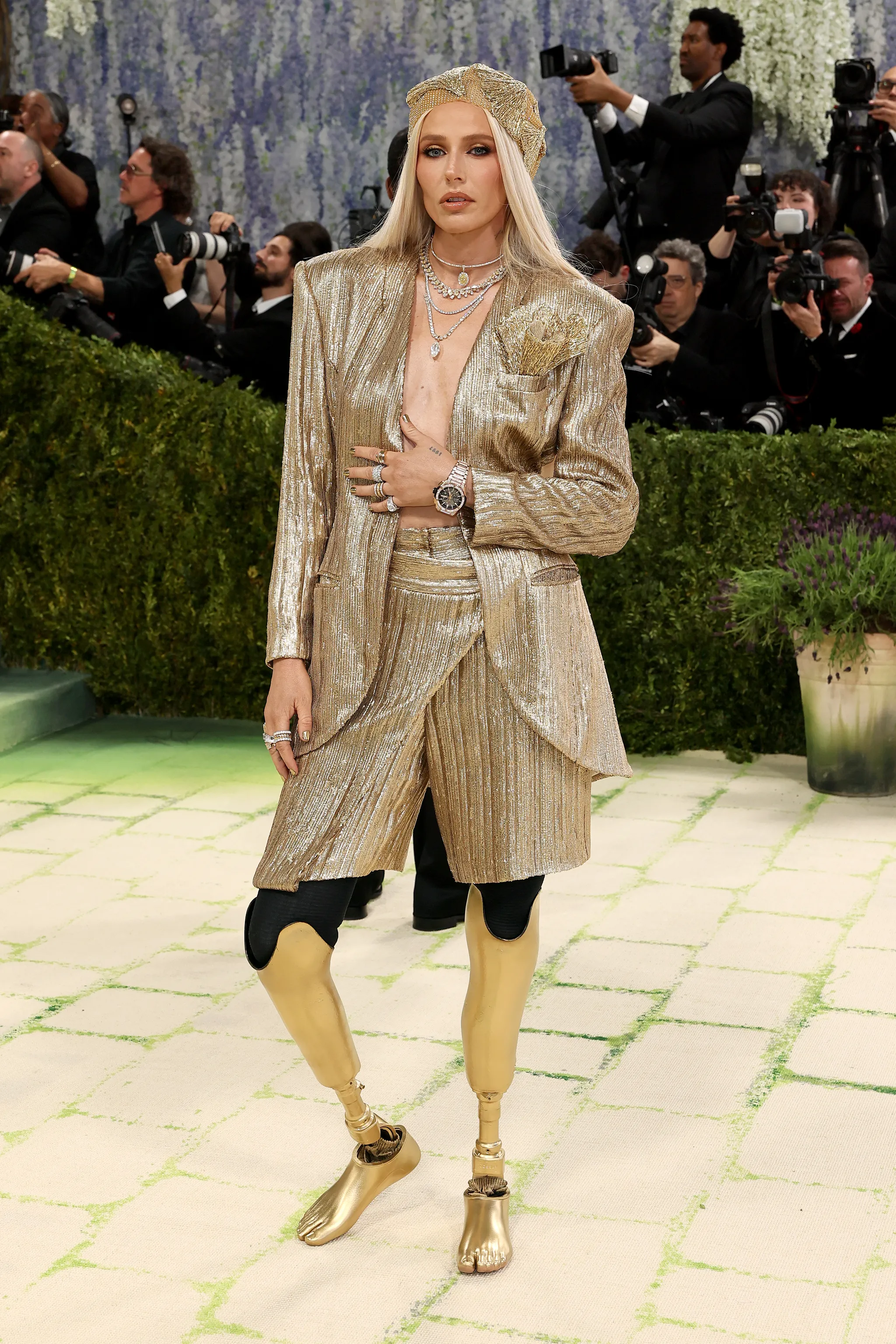
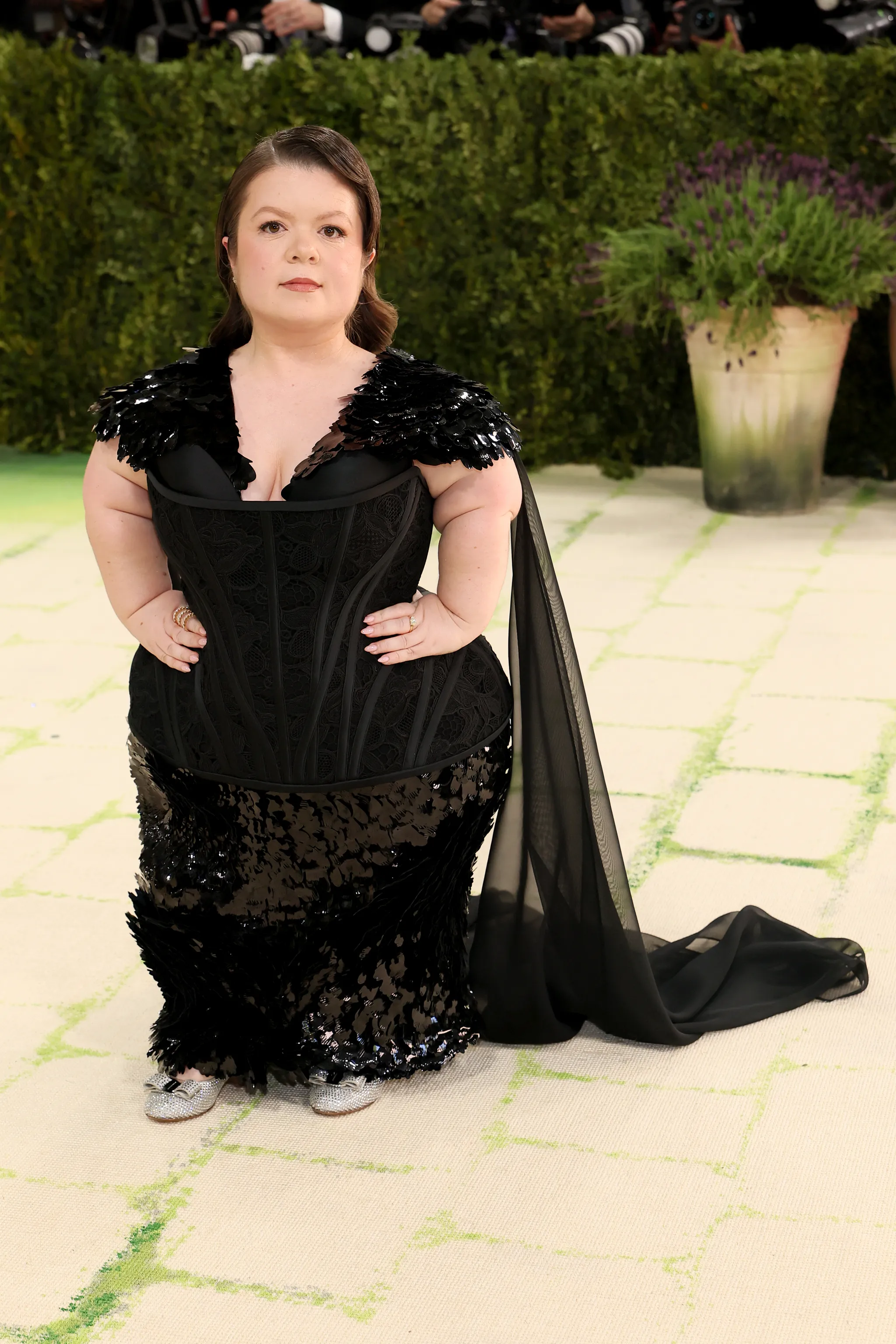
This is the result of years of passionate advocacy by disabled leaders like Daphne Frias and Hannah Diviney. What happened this year felt like a genuine, heartfelt victory , a bold and beautiful step toward real, lasting inclusion in one of fashion’s most important nights
The Blackpink Reunion and the K-Culture Epoch
For the first time in Met history, all four members of Blackpink attended together, each embodying a different facet of the "Fashion is Art" prompt.
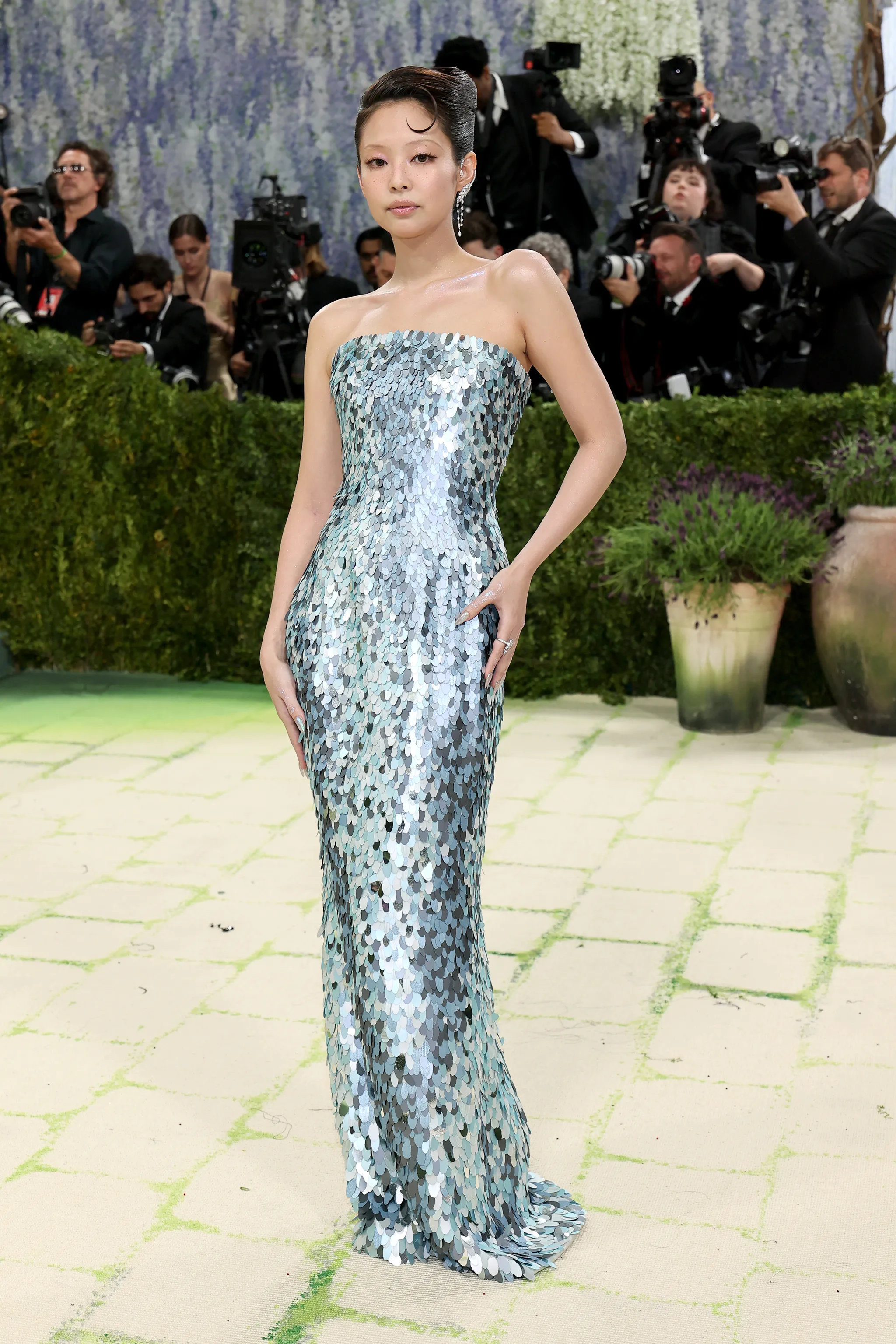
Jennie: Represented the artisanal mastery of Chanel in a blue metallic column dress fully overlaid with shimmering sequined leaves. The intricate piece took 540 hours to complete, showcasing the passion for craftsmanship shared by the brand and creative director Matthieu Blazy.
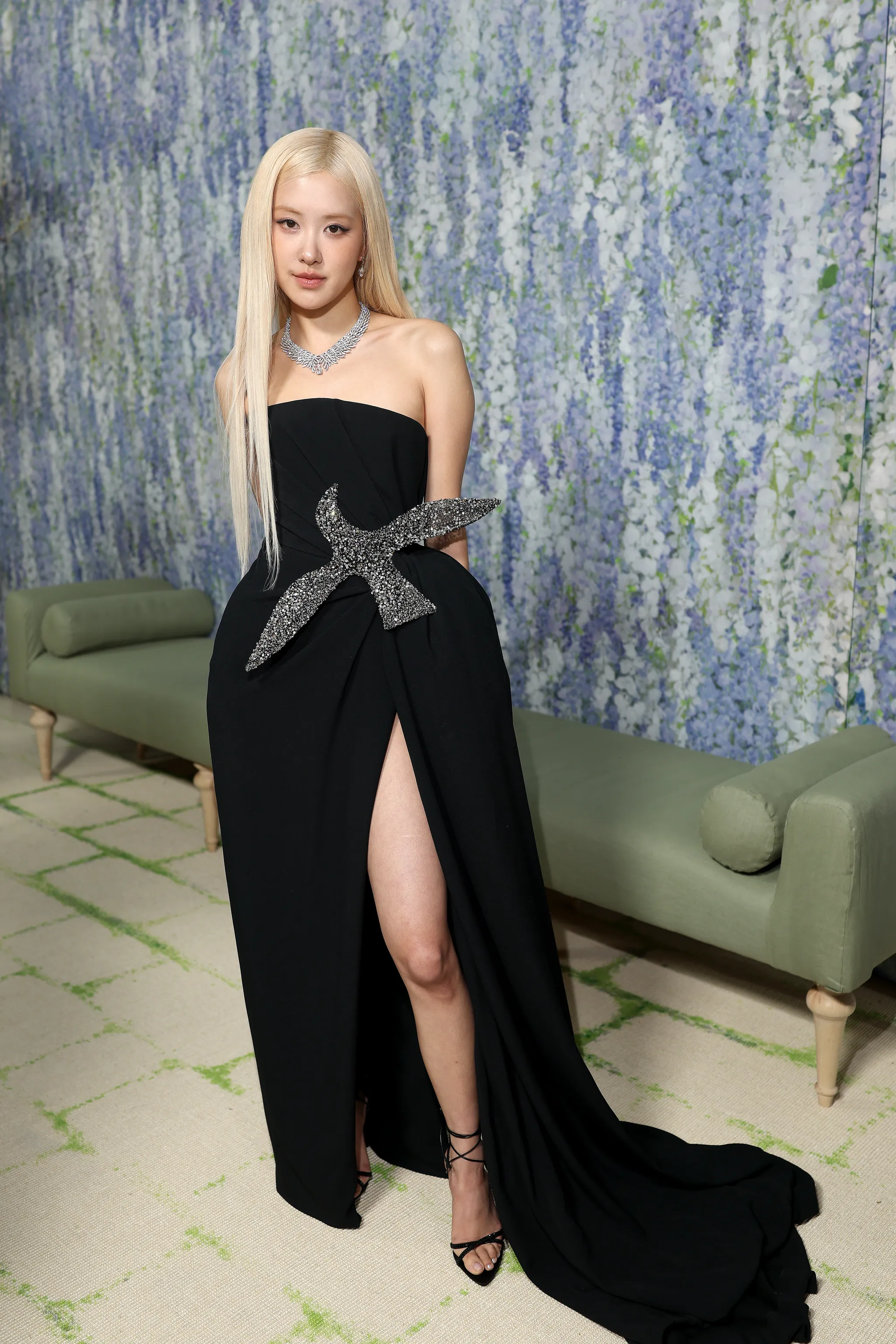
Rosé: Opted for a sleek, strapless Saint Laurent gown by Anthony Vaccarello, distinguished by a massive Senfo hornbill brooch covered in dark crystals, a signature YSL motif from 1988.
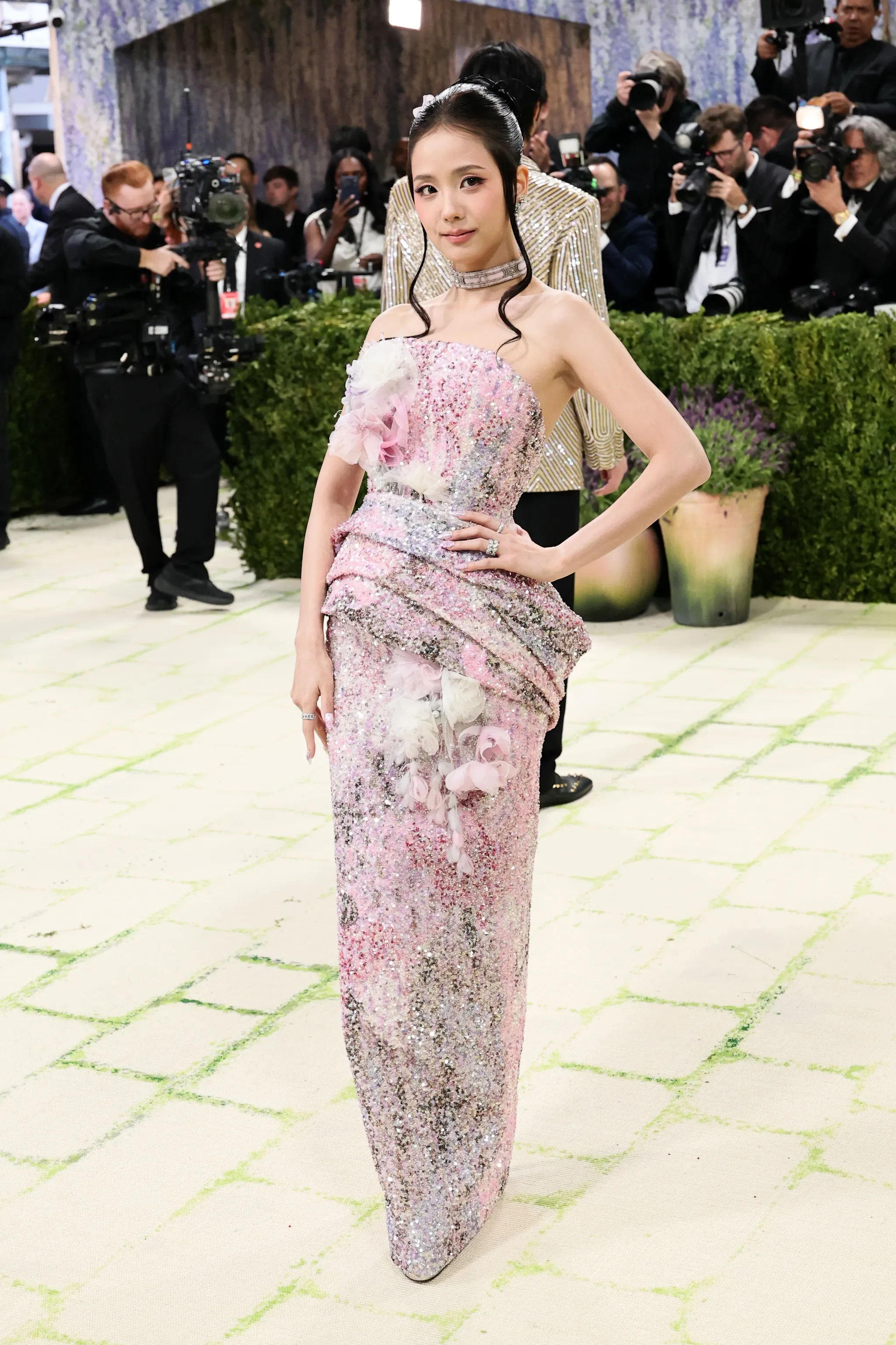
Jisoo: In her Met Gala debut, Jisoo wore a blossoming Dior dress featuring sculptural layered waistlines and cascading silk flowers. The illusion of petals floating down created a "work of art" effect that was widely celebrated.
Lisa : Stole the spotlight in a custom Robert Wun gown titled “The Veil,” a white, sheer mermaid-style silhouette that required nearly 3,000 hours of meticulous handwork. The ensemble featured 3D-printed sculptural arm pieces dripping in diamond bracelets that appeared to hold a veil over her, creating a mind-bending, abstract statement.
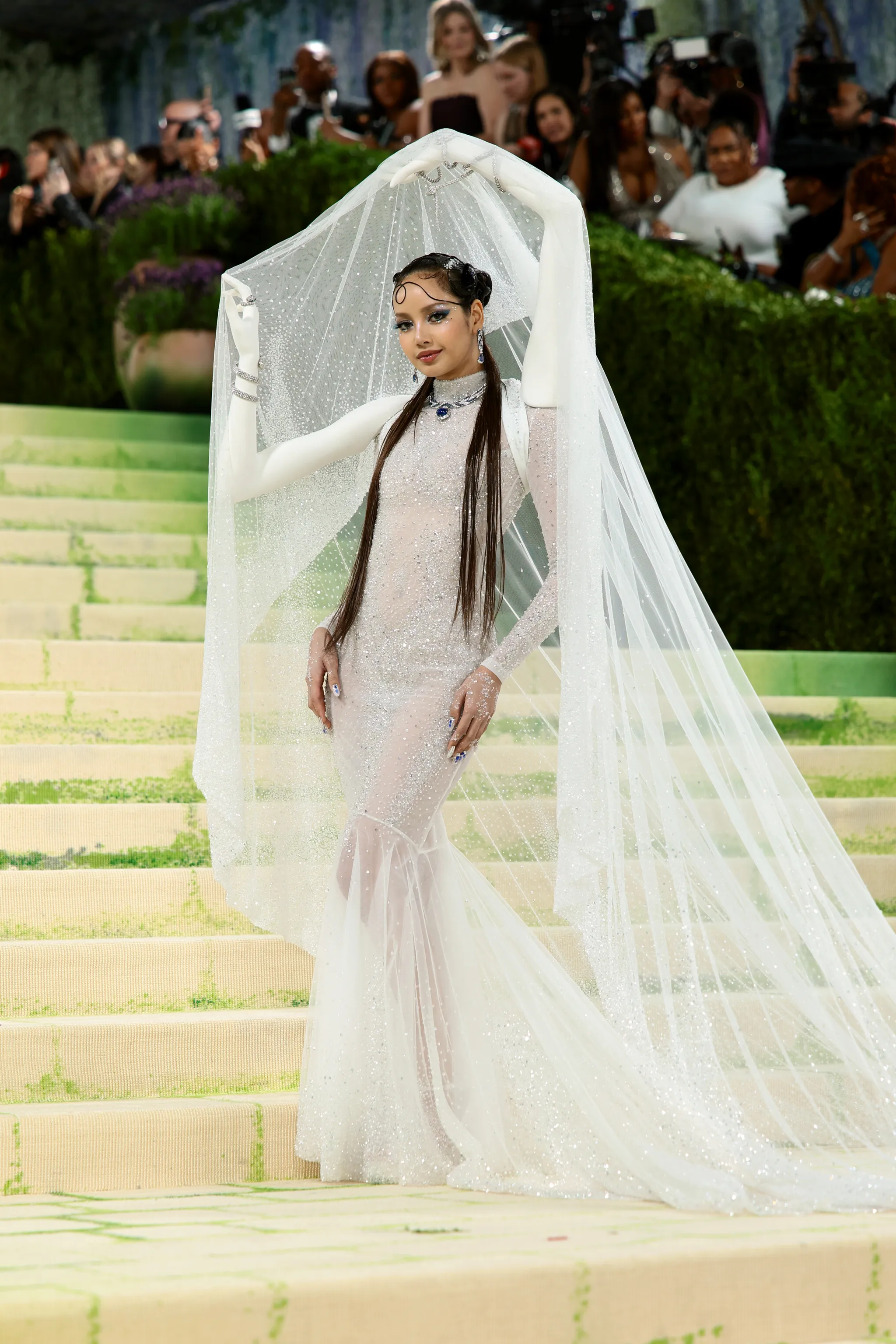
Beyond Blackpink, the "K-Pop Demon Hunters" cast brought high-fashion heritage to the forefront. EJAE complemented her Swarovski-crystal column gown with traditional binyeo (Korean hairpins), while Ahn Hyo-seop wore a Valentino suit featuring a button inspired by traditional Korean knots. aespa’s Karina furthered the cultural dialogue in a custom Prada look inspired by the hanbok, featuring a black cape over a white satin dress.
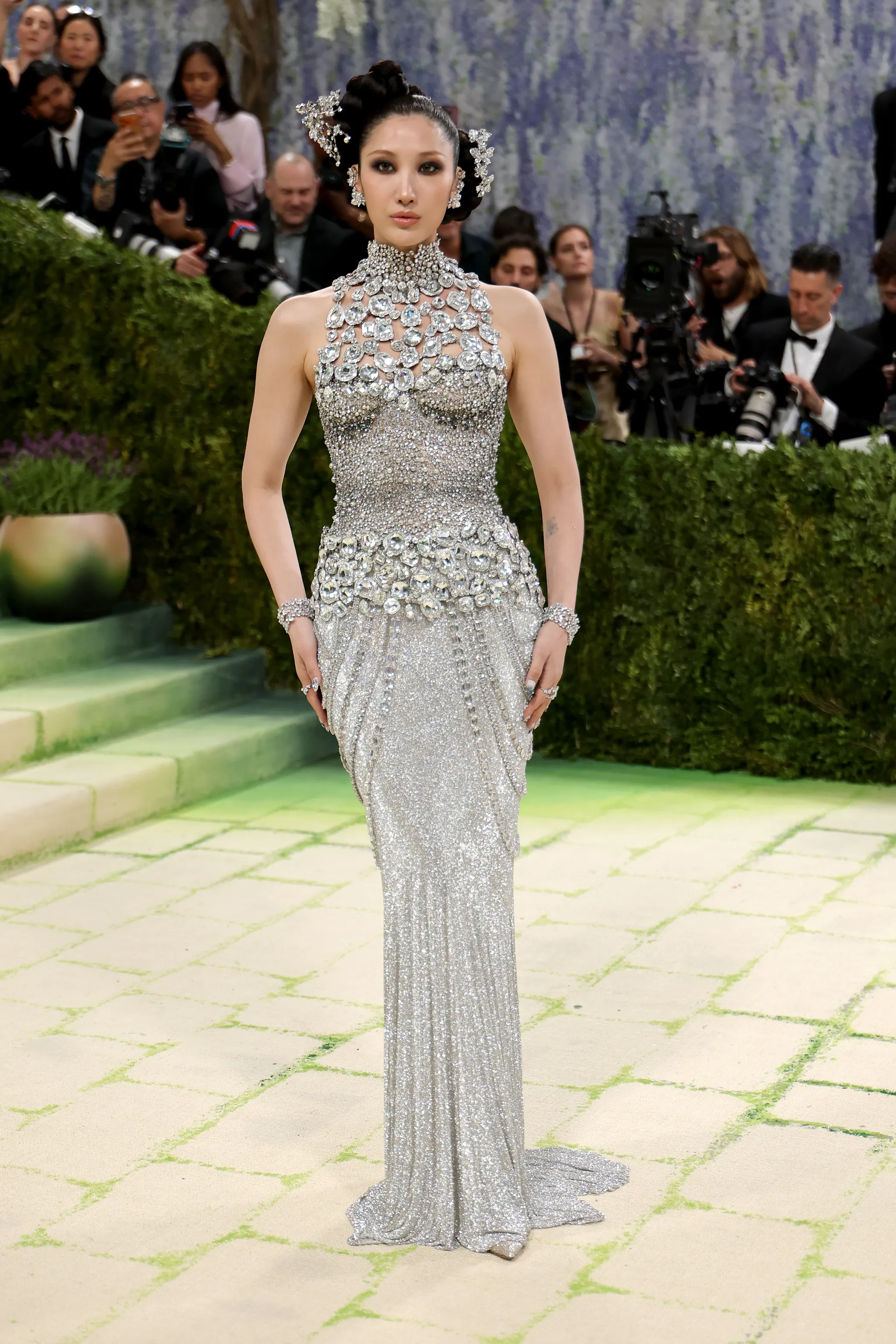
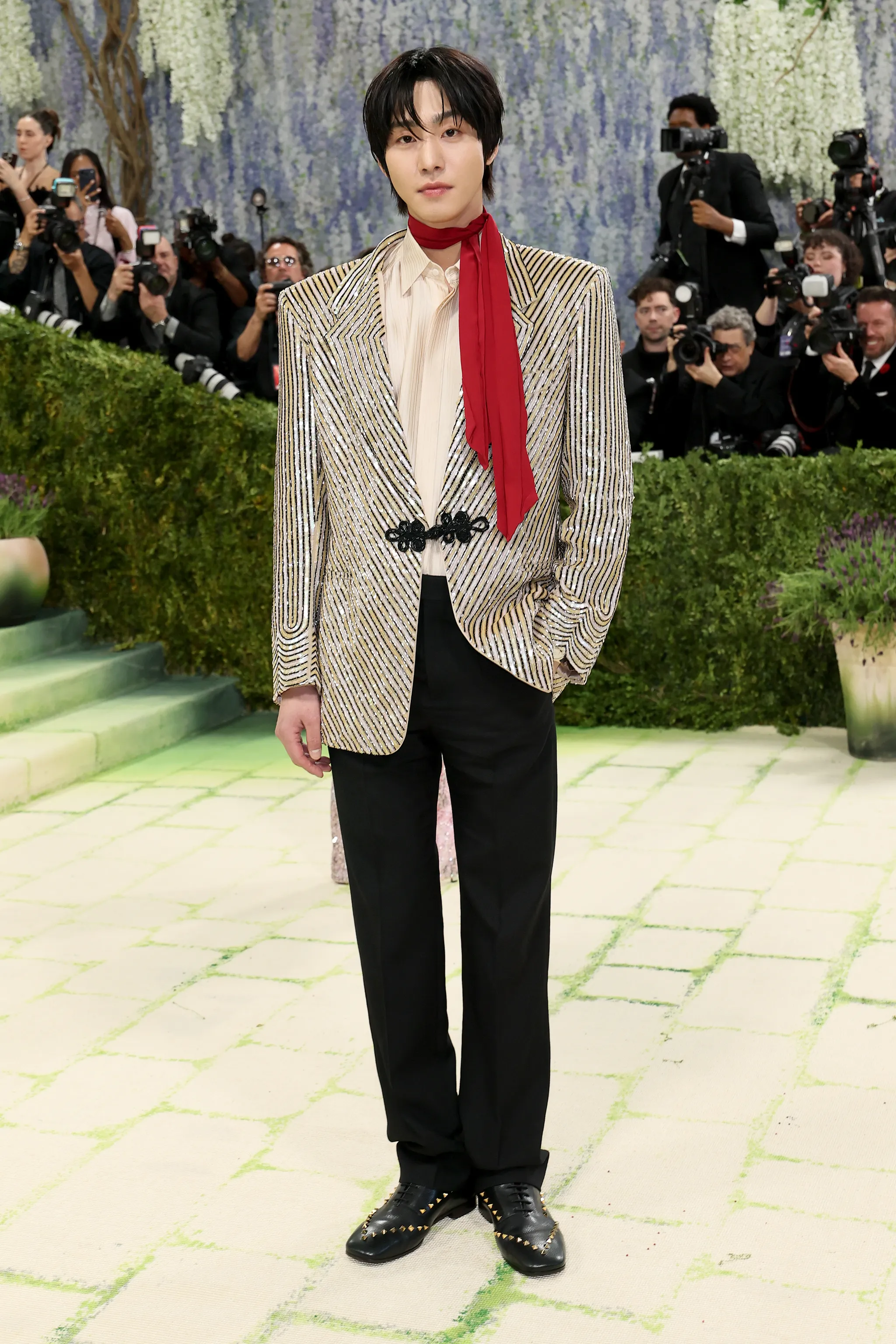
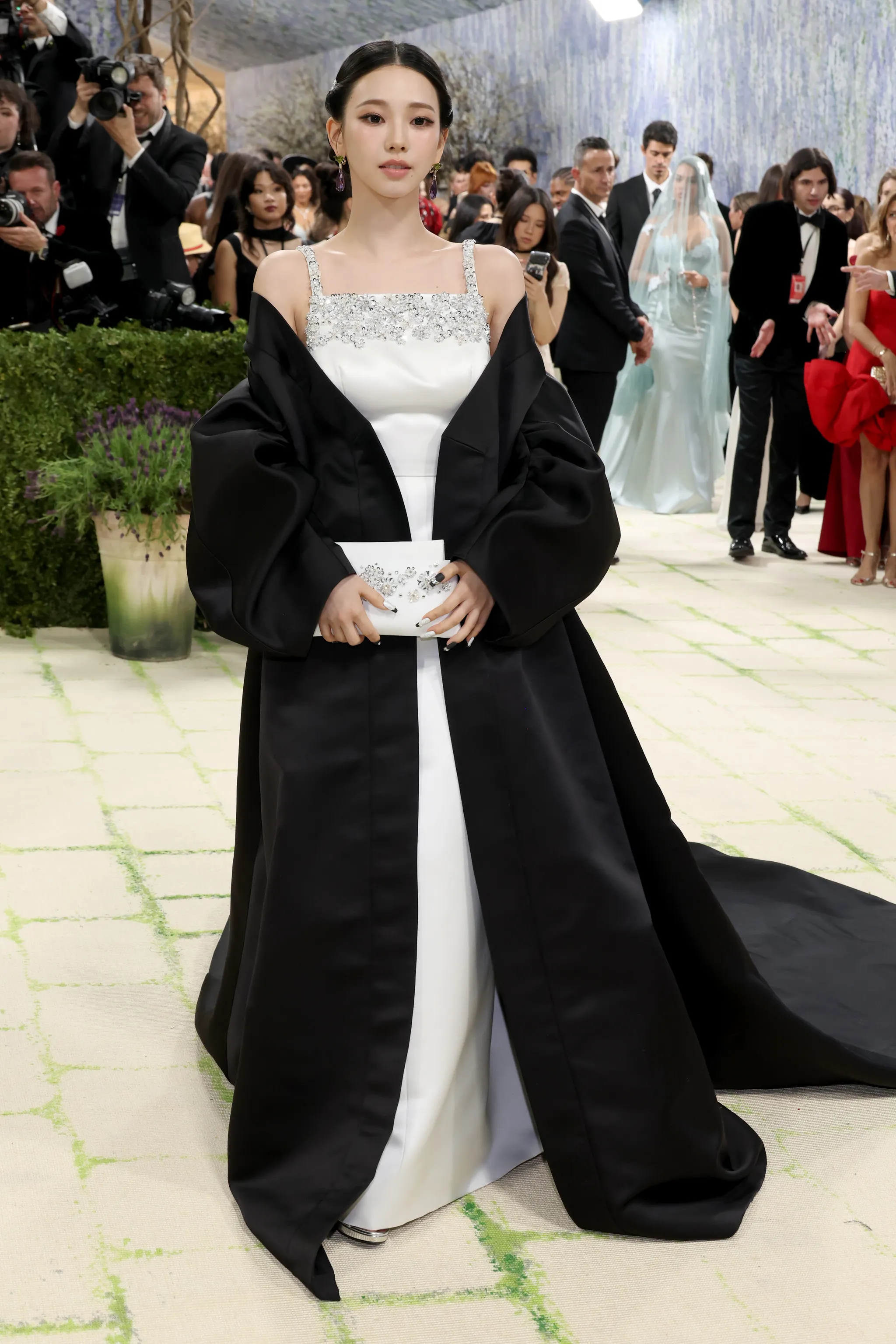
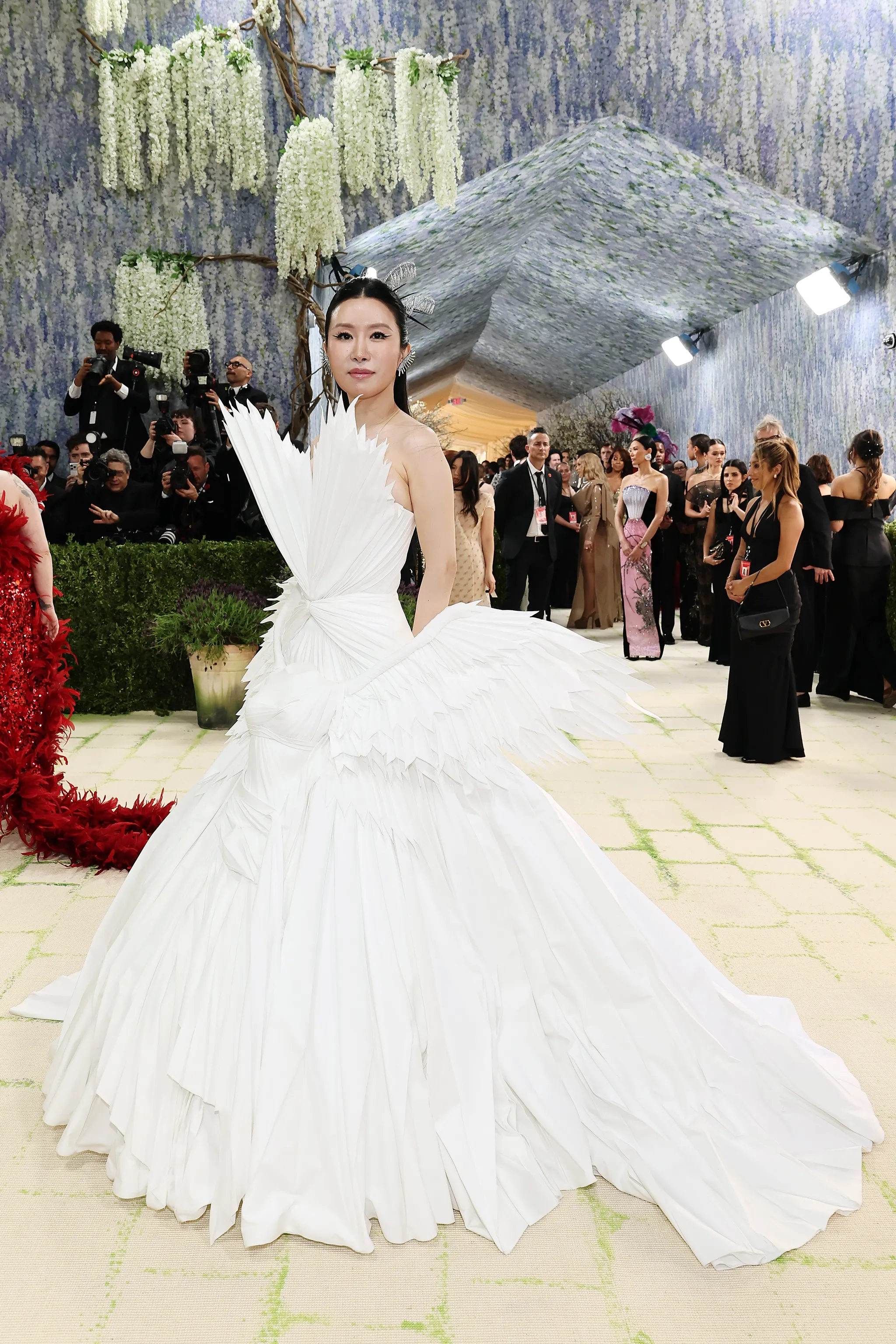
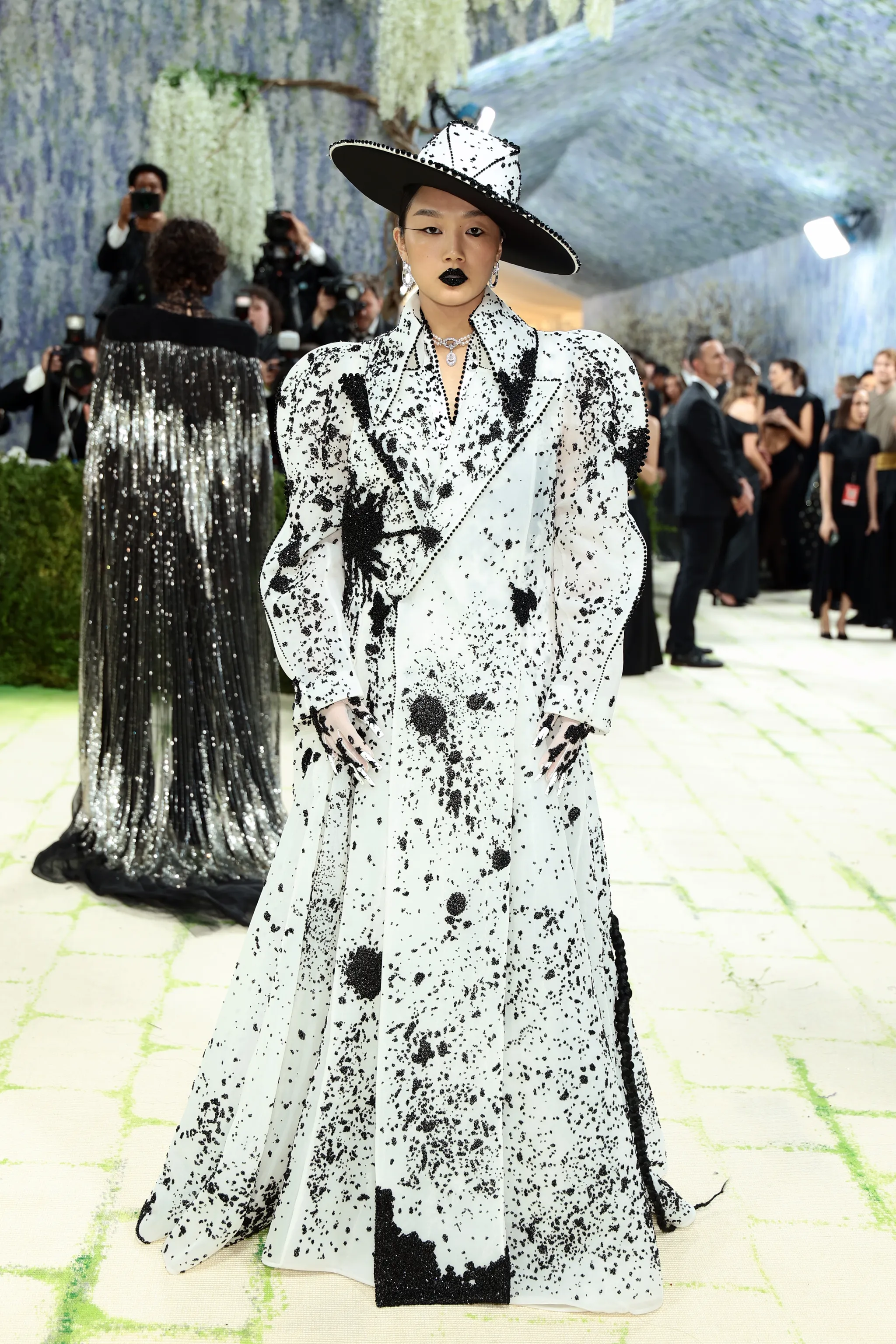
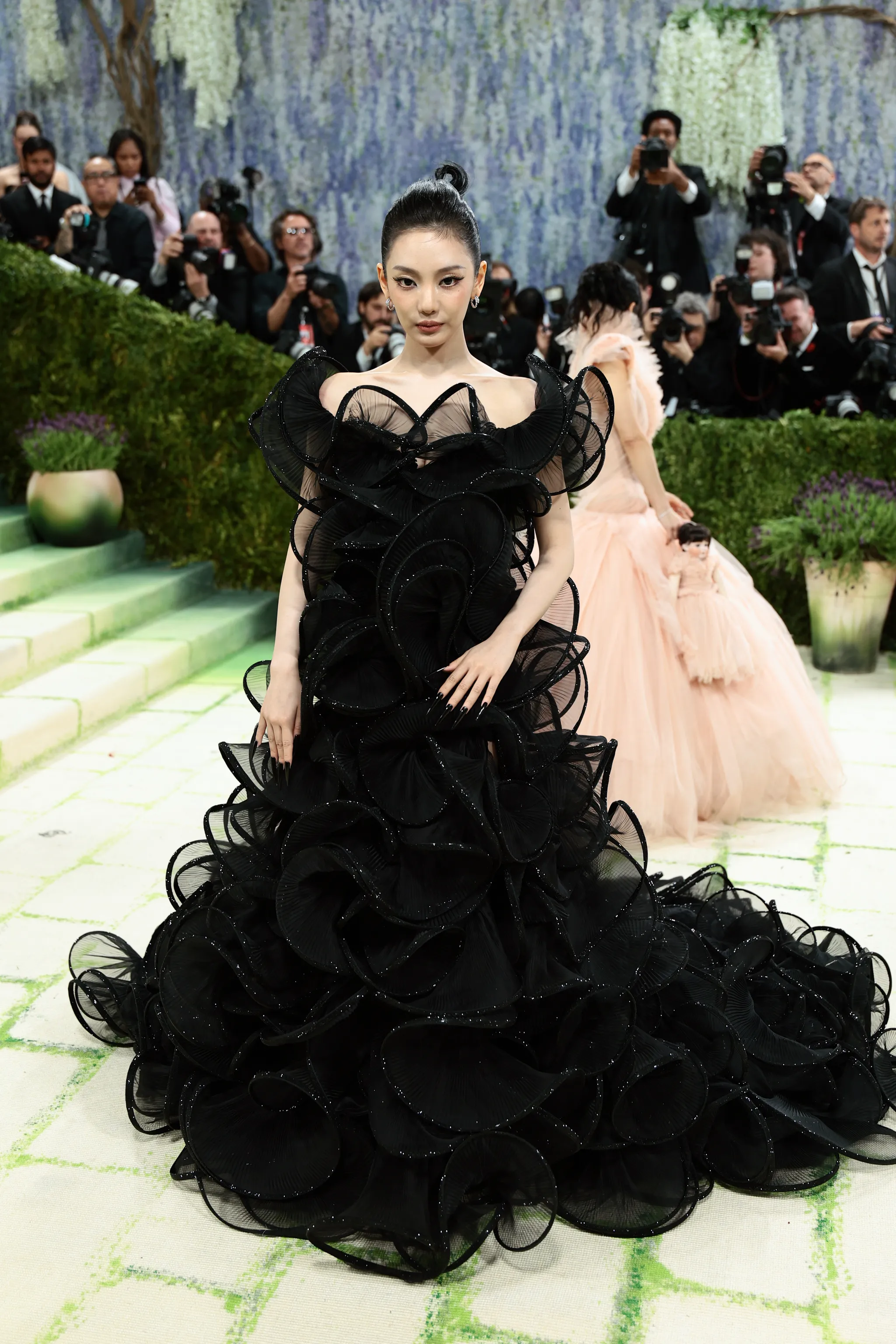
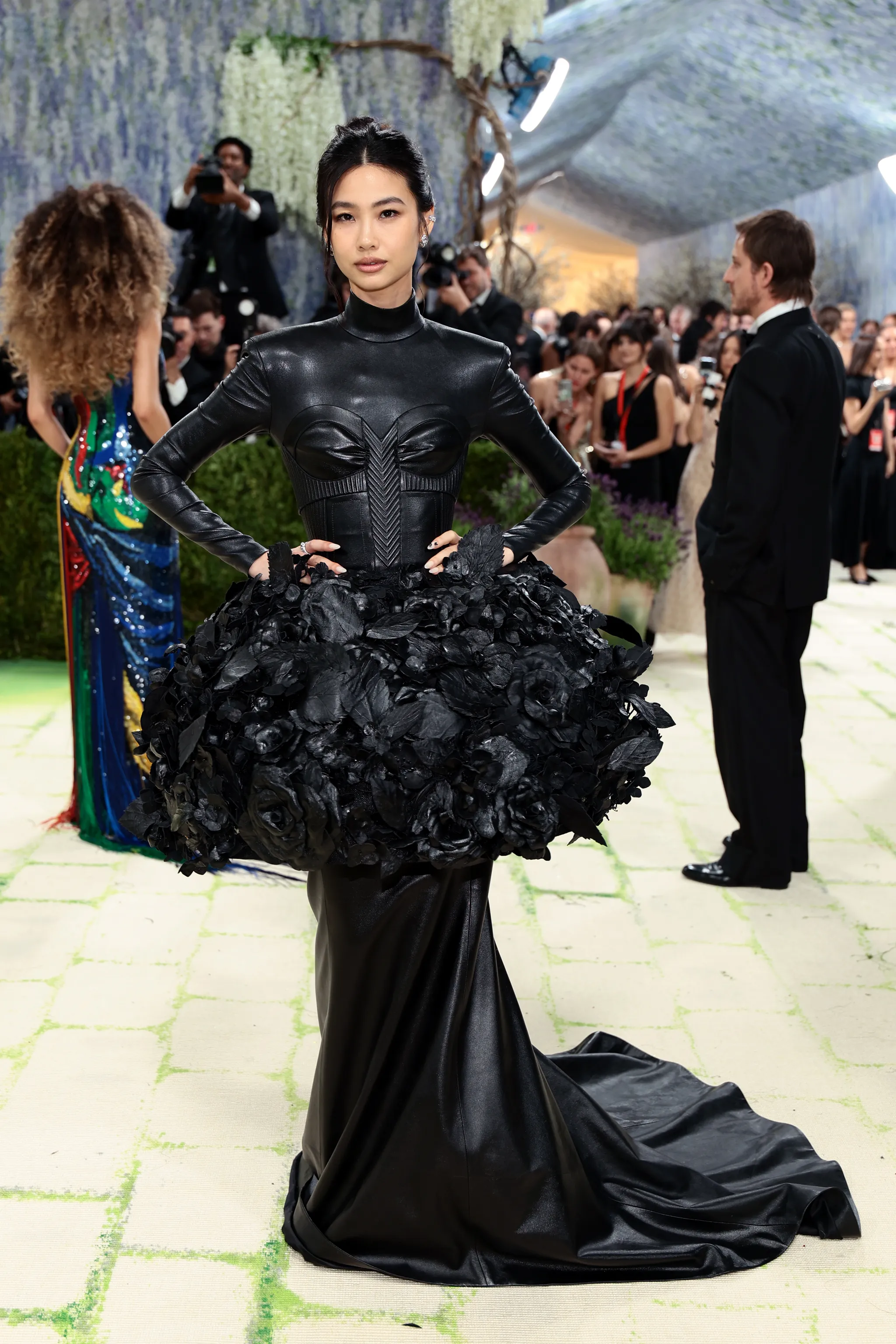
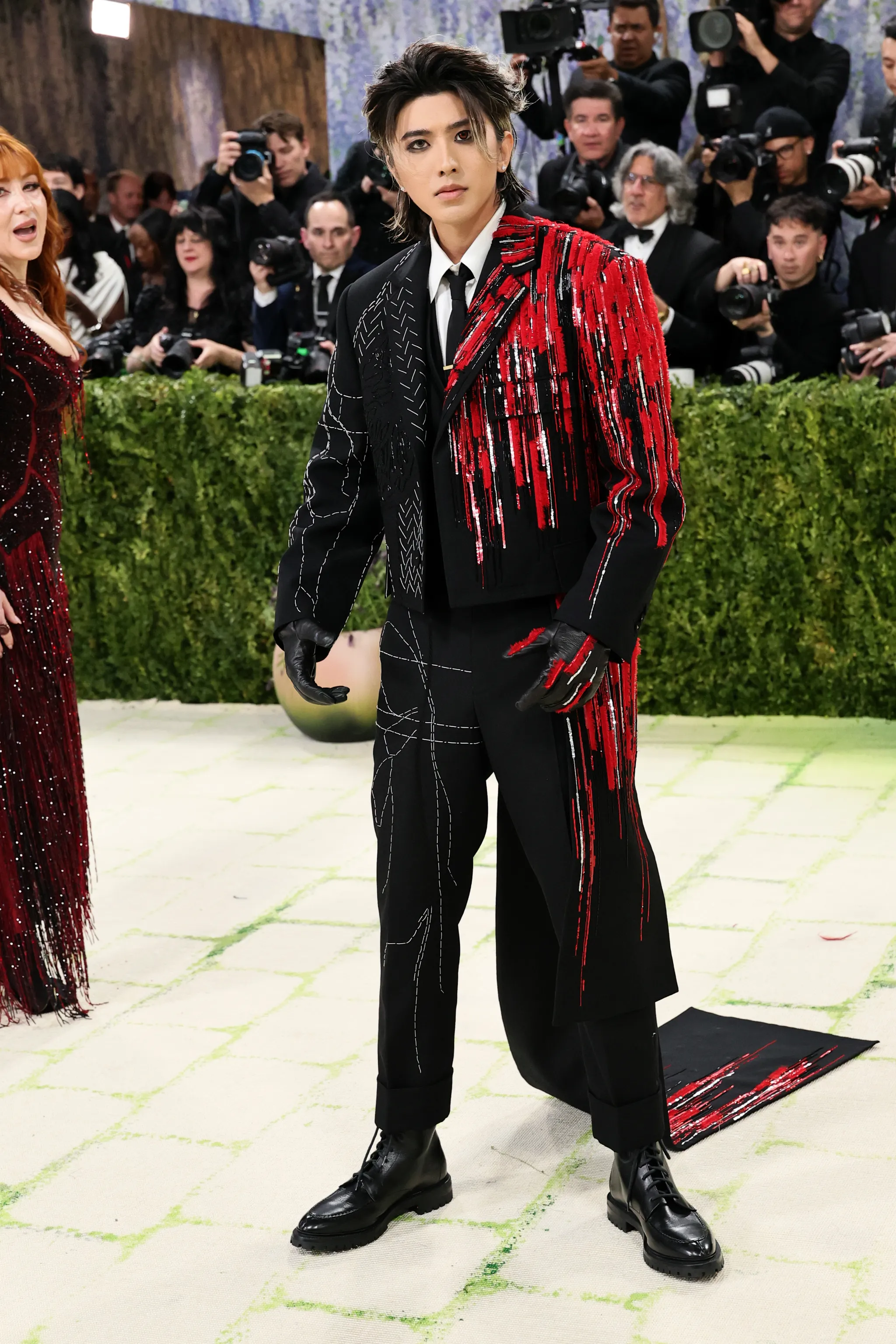
We saw a notably diverse Asian presence on the red carpet, with several rising cultural figures and established creatives interpreting the dress code through sculptural, art-driven couture.
Structural Extremes and Artisanal Hours
This year’s gala was a testament to the endurance of haute couture, with several garments requiring staggering amounts of labor to fulfill the "Costume Art" vision.
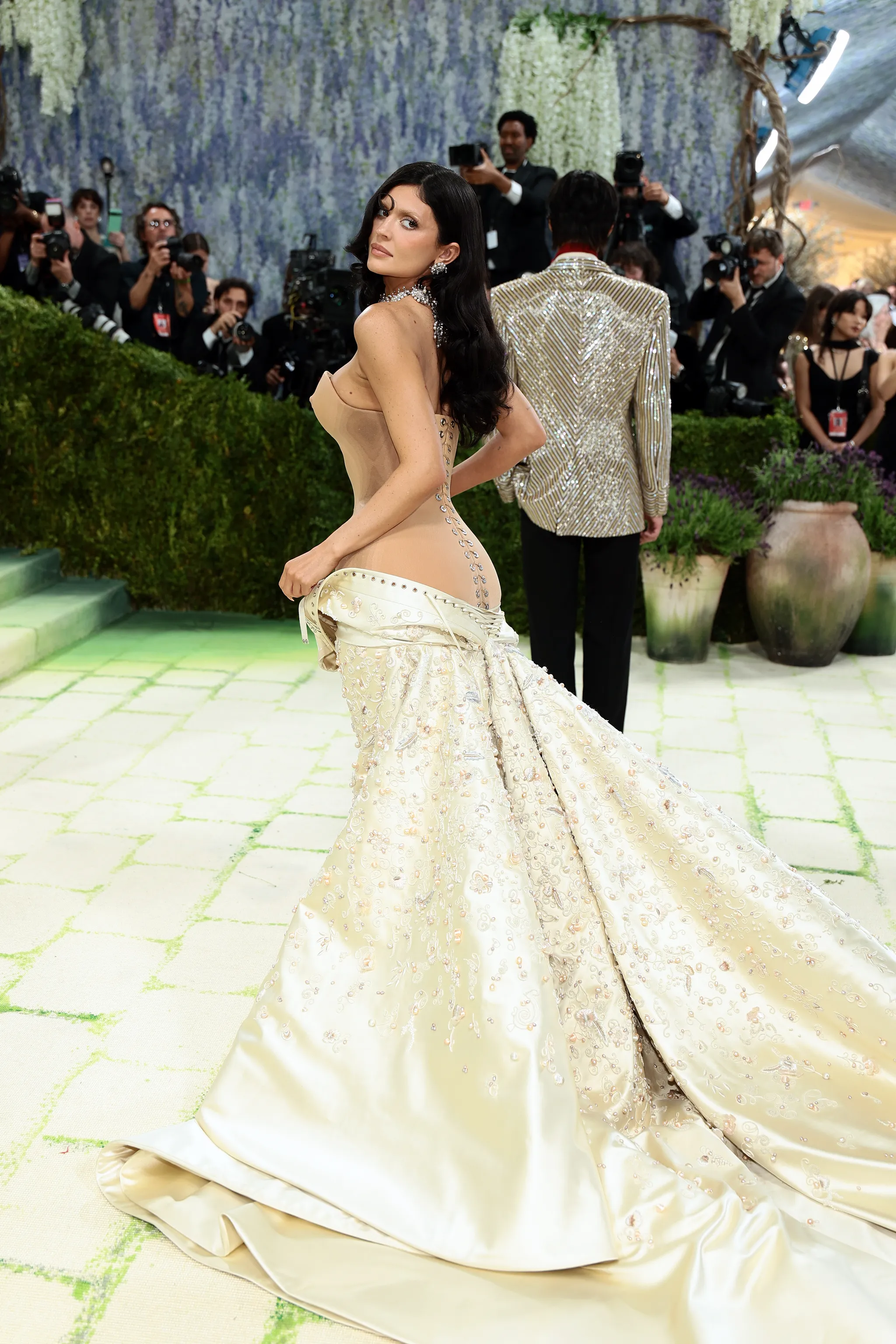
Kylie Jenner: Wore a custom Schiaparelli Haute Couture dress inspired by the Venus de Milo that reportedly took 11,000 hours to craft.
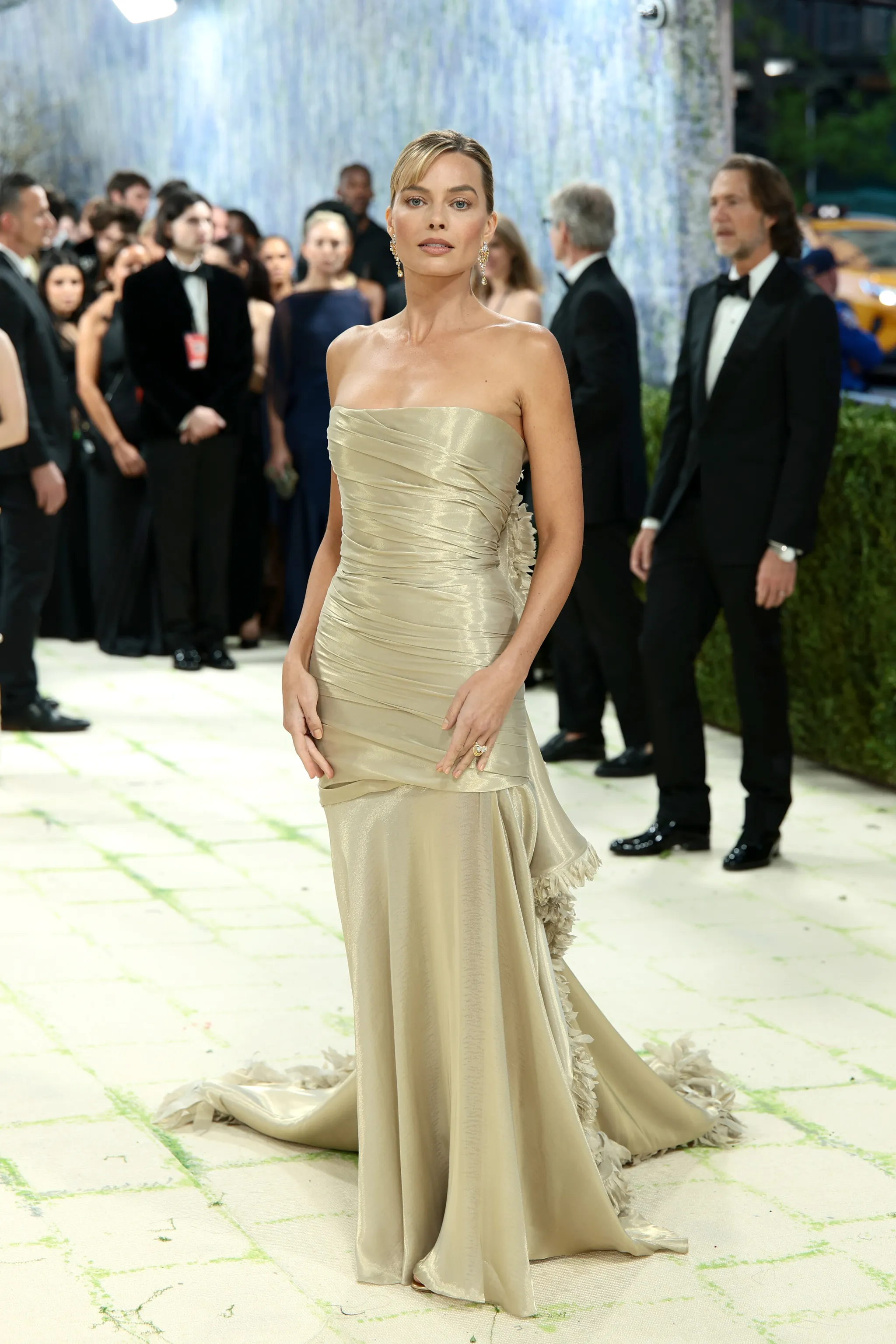
Margot Robbie: The Chanel ambassador’s gown featured 1,080 embroidered elements and took 761 hours to create.
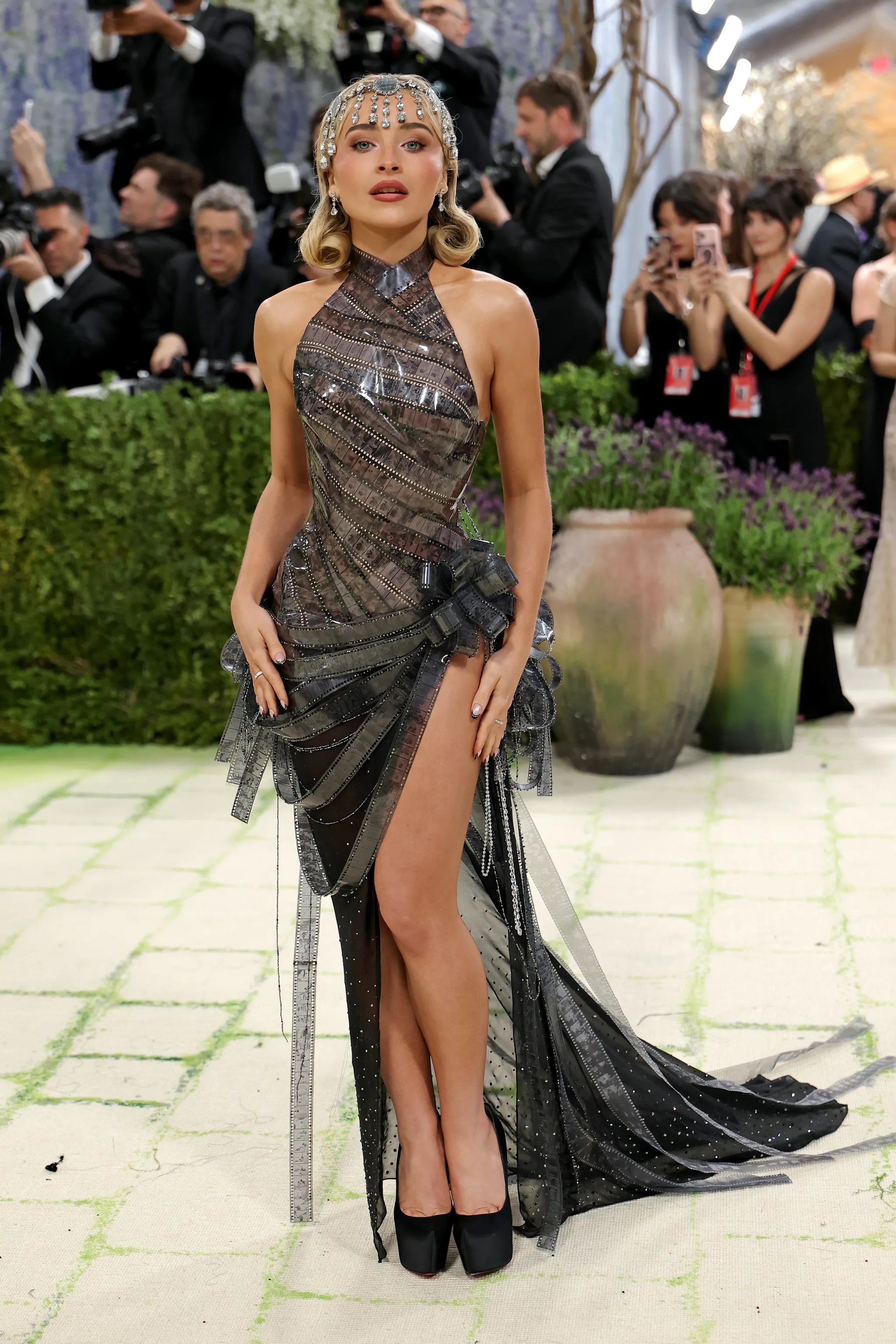
Sabrina Carpenter: Embraced the "Costume Art" theme literally, wearing a custom Christian Dior gown constructed entirely from film strips.
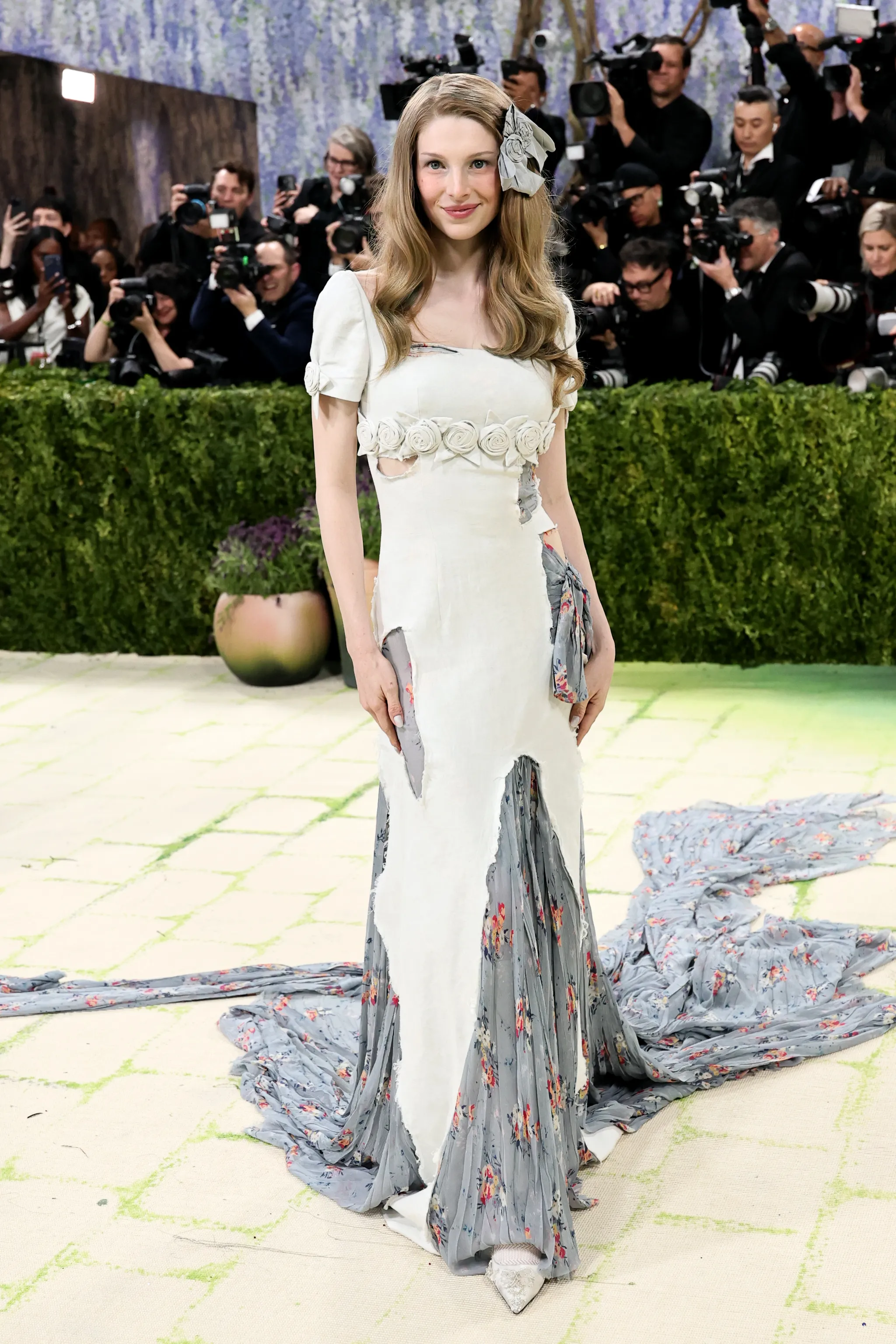
Hunter Schafer: Arrived in a custom Prada gown inspired by Gustav Klimt’s portrait Mäda Primavesi, blurring the lines between oil painting and textile.
The Cinematic and the Subversive
The men of the evening proved that "Fashion is Art" extends to the masculine form through bold structures and cinematic odes.
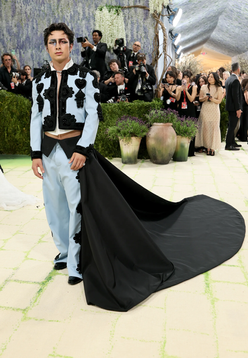
Hudson Williams: Made a viral entrance, first leaving his hotel in only a white robe before arriving in a baby blue Balenciaga suit with a black waist-cape. His look was an "ode to cinema," with makeup and hair inspired by Darren Aronofsky’s Black Swan.
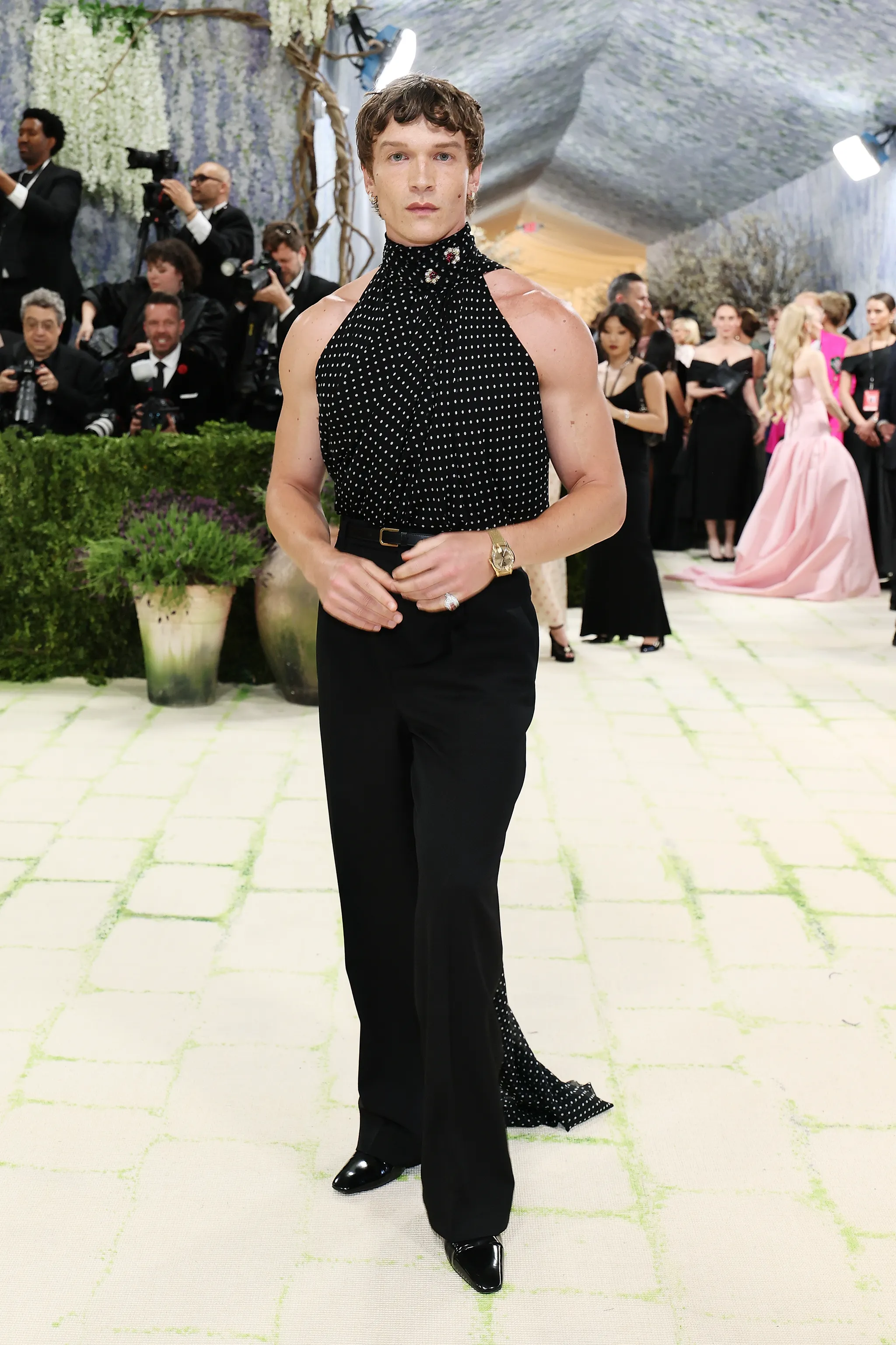
Connor Storrie: Debuted in a Saint Laurent polka-dot halter-top ensemble by Anthony Vaccarello, featuring a dramatic trail of fabric. He caused a stir by removing his jacket on the carpet to reveal the bare-armed halter details.
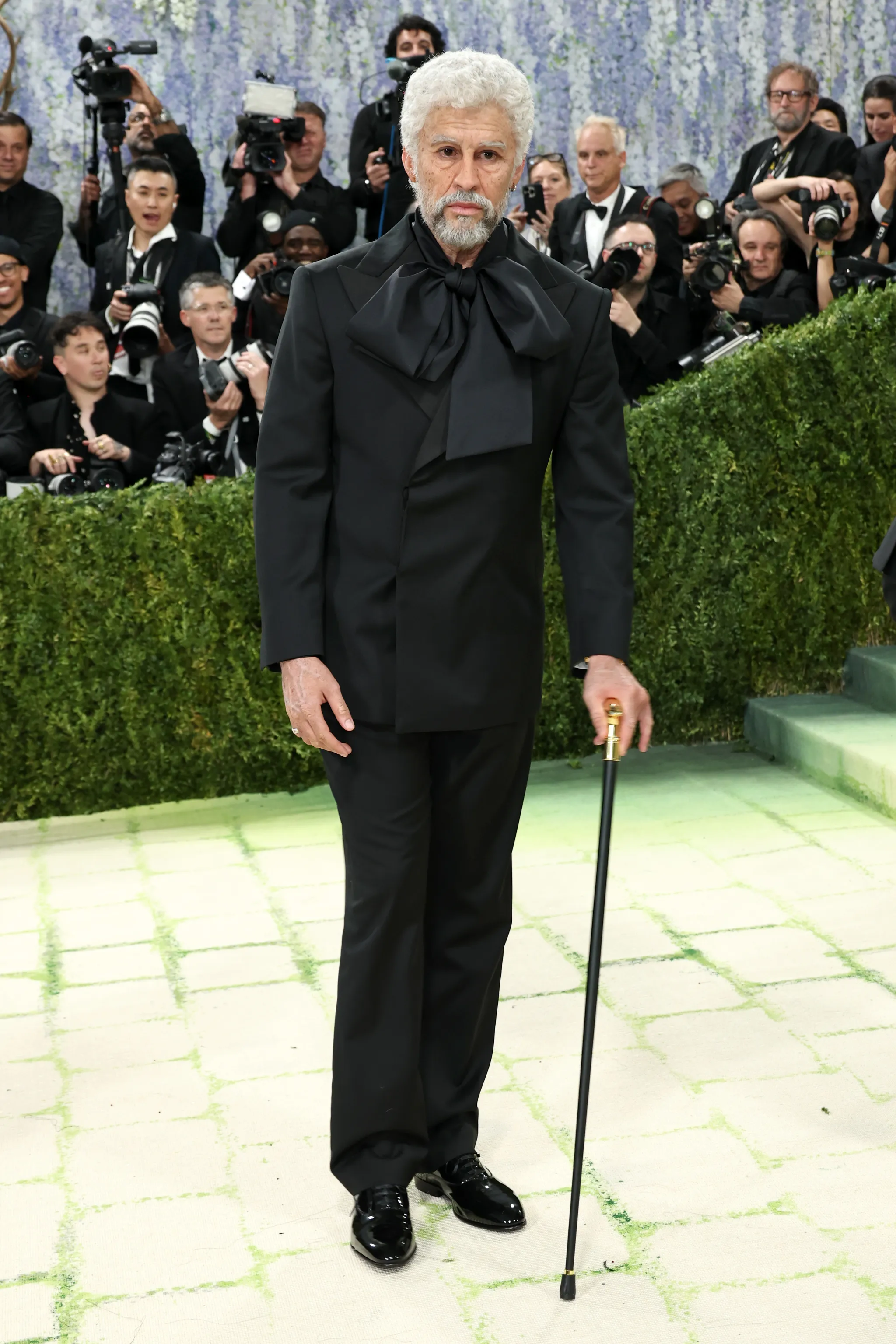
Bad Bunny: Remained "completely unrecognizable" in a custom Zara look that utilized an aging transformation, proving that even accessible retailers can participate in the gala's conceptual rigors.
And Rihanna: Closed the carpet in a custom Maison Margiela creation drawing from the Artisanal 2025 collection, reaffirming her status as the queen of the Met steps.

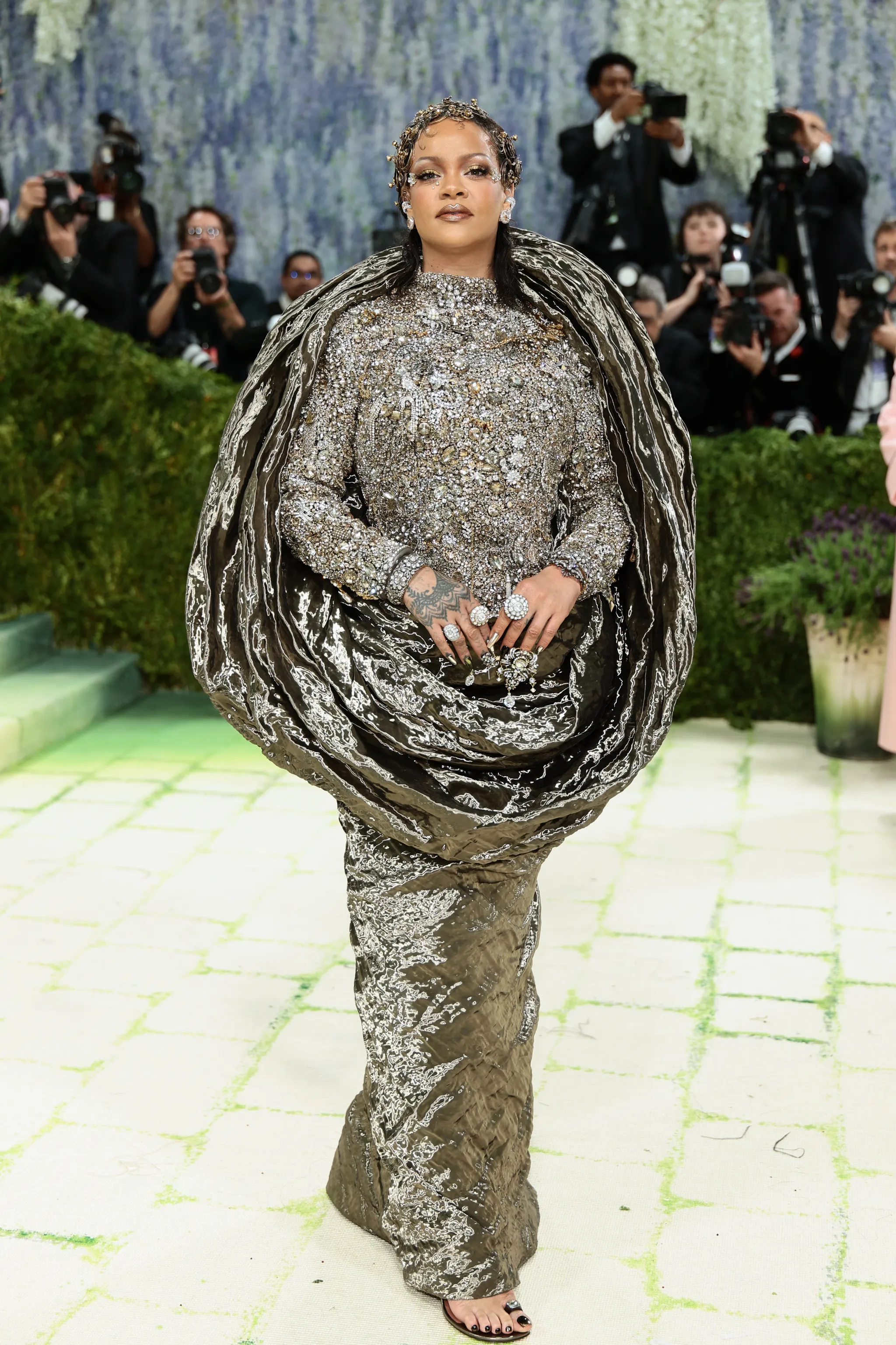
As the exhibition’s curator Andrew Bolton beautifully stated, “Costume Art” is built around one powerful idea: the dressed body is the one constant thread that runs through the entire museum. By masterfully pairing historic treasures from the archives with bold, sculptural creations of today, the 2026 Met Gala delivered a powerful and unforgettable message: fashion doesn’t simply lead to art — it is art in its purest, most magnificent form.
All images featured in this article are credited to Vogue . They are used for editorial and illustrative purposes only, with no commercial intent. All rights remain with their respective owners.


