%20(1).png)
HANYUL : Traditional Wisdom Into Modern Skincare
- hace 5 días
- 5 min de lectura
The global rise of K-Beauty has transformed the skincare industry over the past two decades. Korean brands have introduced new routines, innovative ingredients and entirely different approaches to skin health, influencing consumers from Seoul to New York, London and Paris. The brand has just launched at Sephora in the U.S. and Canada.
Yet while international audiences often focus on viral products and trending ingredients, some of Korea's most interesting beauty brands tell a much deeper story.
Hanyul is one of them.
Unlike brands built around fleeting trends or social media popularity, Hanyul draws inspiration from centuries of Korean herbal knowledge, combining traditional ingredients with modern cosmetic research. Its philosophy reflects a broader movement within Korean beauty: the desire to preserve cultural heritage while adapting it for contemporary consumers.
In many ways, Hanyul represents a side of K-Beauty that international audiences are only beginning to discover.
One rooted not simply in skincare, but in Korean identity itself.
Understanding Hanbang Beauty
To understand Hanyul, it is first necessary to understand the concept of Hanbang.
Often translated as traditional Korean herbal medicine, Hanbang refers to centuries of knowledge surrounding natural ingredients, botanical remedies and holistic wellbeing. While modern skincare relies heavily on scientific laboratories and advanced formulations, many Korean beauty brands have found ways to combine cutting-edge research with ingredients that have been valued for generations.
This approach has become one of the defining characteristics of premium Korean skincare.
Rather than viewing tradition and innovation as opposing forces, brands such as Hanyul see them as complementary.
Ancient knowledge provides inspiration.
Modern science provides validation.
The result is a uniquely Korean approach to beauty.

A Brand Inspired by Korean Nature
Developed within the Amorepacific portfolio, Hanyul was created with a clear mission: to showcase the richness of Korea's natural ingredients through contemporary skincare.
The brand draws heavily from native plants, flowers and agricultural traditions found throughout the Korean peninsula. Ingredients are carefully selected not only for their cosmetic benefits but also for their cultural significance.
This emphasis on local sourcing distinguishes Hanyul from many international beauty brands.
Rather than searching the world for exotic ingredients, it often looks inward, celebrating resources that have long been part of Korean daily life.
The philosophy feels particularly relevant today, as consumers increasingly seek authenticity, transparency and a stronger connection between products and place.
The Rise of Artemisia
Among Hanyul's most recognisable ingredients is Artemisia, commonly known as mugwort.
Long valued within Korean culture, mugwort has become one of the most celebrated ingredients in contemporary K-Beauty thanks to its soothing and calming properties.
For Hanyul, however, Artemisia is more than a trend.
It has become a cornerstone of the brand's identity.


Its Pure Artemisia line helped introduce many international consumers to an ingredient that Korean households had appreciated for generations. The success of these products also reflected a broader shift within beauty, as consumers increasingly embraced skincare focused on skin barrier support and gentle formulations rather than aggressive treatments.
In many ways, Artemisia became the perfect symbol of Hanyul's philosophy: traditional knowledge reinterpreted for modern needs.
Korean Celebrities and the Influence of K-Beauty
Like many Korean beauty brands, Hanyul exists within a cultural ecosystem heavily influenced by entertainment.
Over the past decade, K-pop idols, actors and television personalities have played a significant role in shaping global beauty trends. International audiences often discover skincare products through dramas, celebrity interviews or social media content rather than traditional advertising campaigns.
Although Hanyul has generally maintained a more understated image than some of its competitors, the broader influence of Korean celebrities has undoubtedly contributed to growing international interest in brands rooted in Korean beauty traditions.
Although Hanyul has never relied on celebrity marketing as aggressively as some K-Beauty competitors, the brand has strategically partnered with figures who reflect its philosophy of balance, authenticity and natural beauty.
One of its most notable ambassadors has been actress Park Eun-bin, whose international popularity following Extraordinary Attorney Woo introduced the brand to a wider audience. Rather than focusing solely on glamour, Hanyul highlighted the actress's positive energy, professionalism and emphasis on inner confidence, qualities that aligned closely with the brand's vision of holistic beauty.
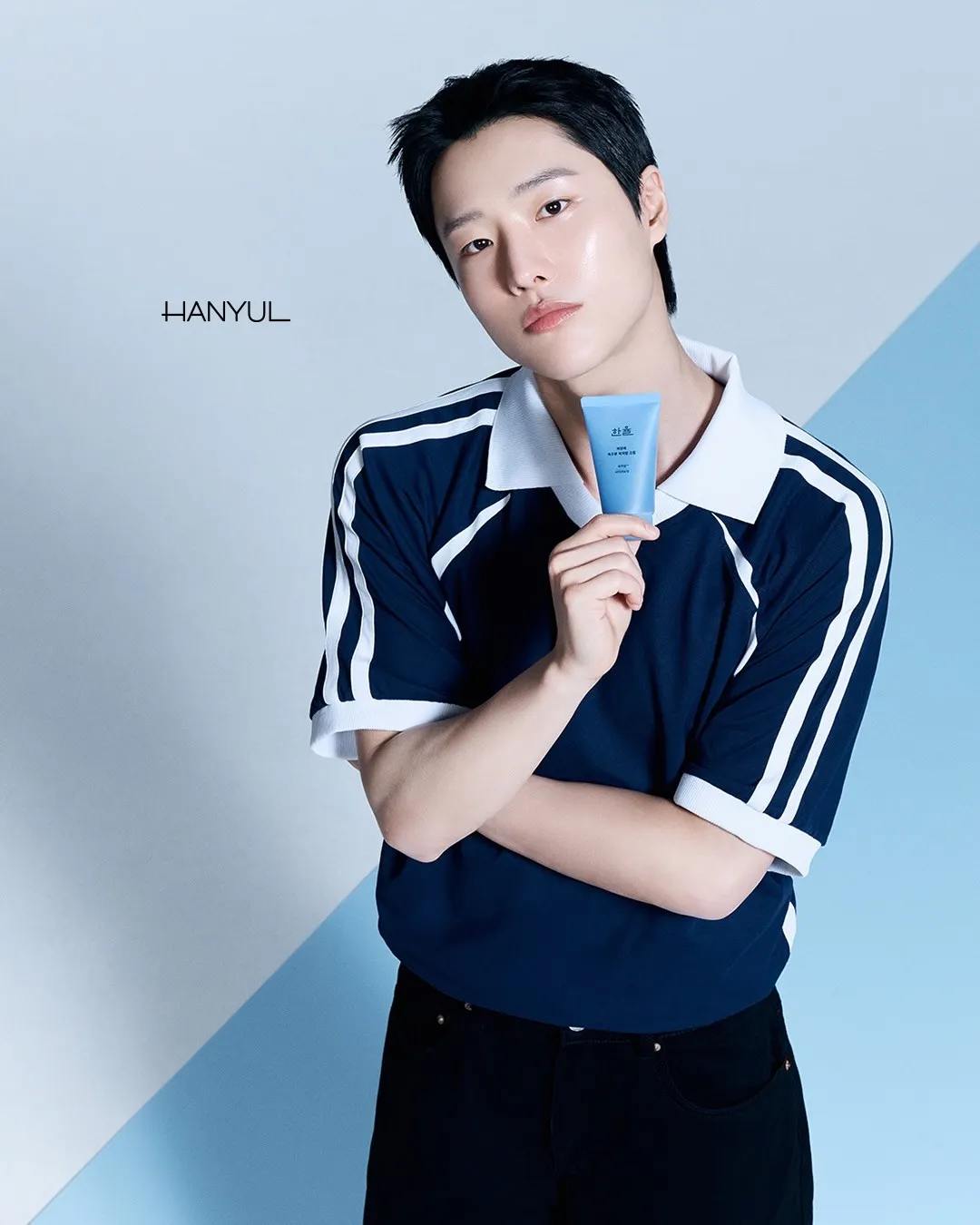
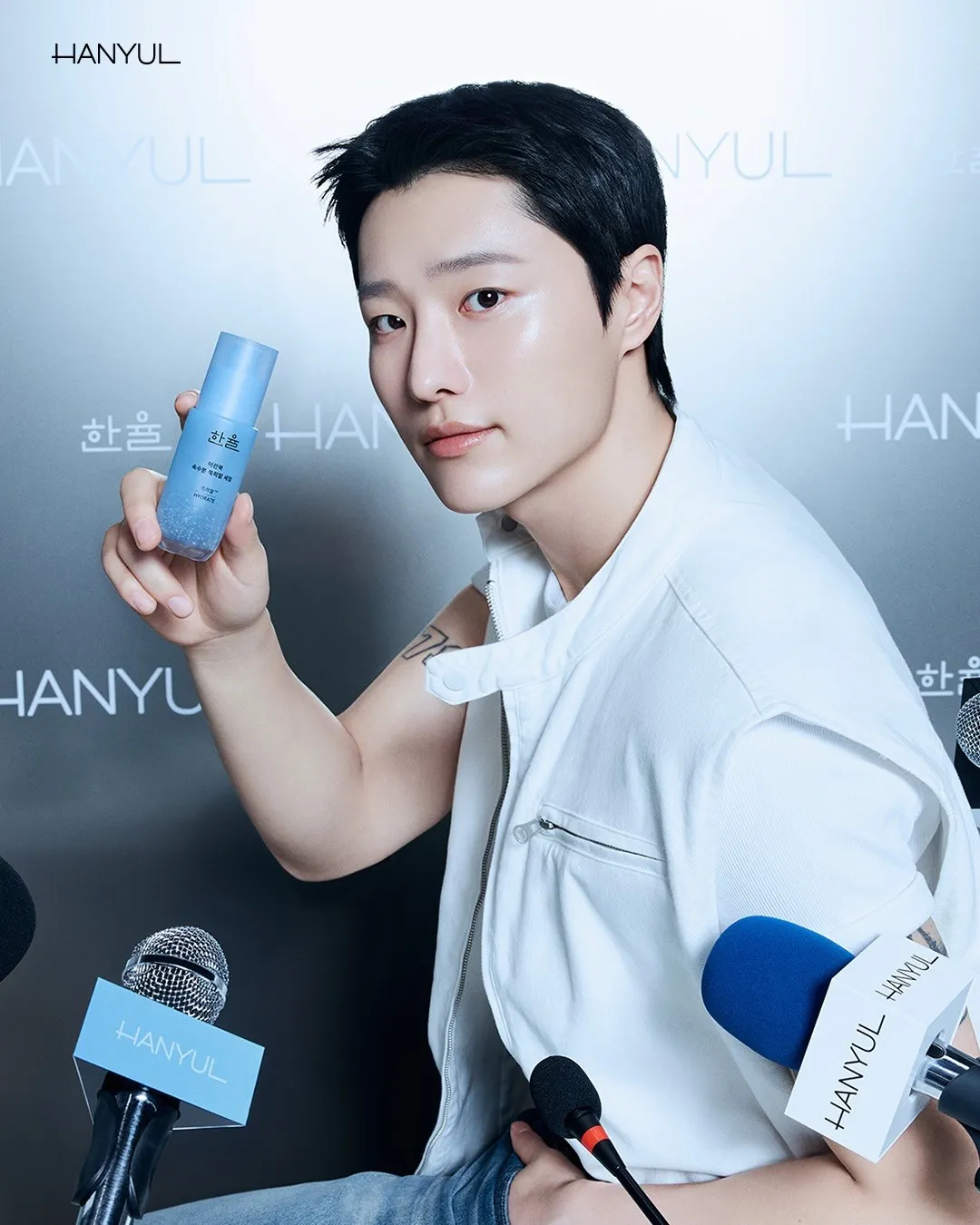

More recently, singer-songwriter WOODZ became the face of Hanyul, bringing a younger and more contemporary dimension to the brand. Known for his artistic independence and distinctive creative identity, WOODZ represents a new generation of Korean celebrities whose influence extends beyond music into fashion, beauty and lifestyle.
These partnerships reveal an important aspect of Hanyul's positioning. Rather than pursuing celebrity for celebrity's sake, the brand tends to select ambassadors whose personal image reinforces its core message: healthy, balanced and authentic beauty.
The connection between K-Beauty and Korean popular culture remains one of the industry's most powerful forces.
Consumers who initially arrive through K-pop or K-dramas frequently develop a deeper curiosity about Korean skincare, ingredients and beauty philosophy.
Brands like Hanyul benefit from that cultural curiosity while offering something more substantial beneath the surface.
Competing in the New Era of K-Beauty
The international beauty landscape has changed dramatically.
Brands such as Beauty of Joseon, Laneige, COSRX and Sulwhasoo have become familiar names among skincare enthusiasts around the world. Each occupies a distinct position within the market, from trend-driven innovation to luxury heritage skincare.
Hanyul sits somewhere between these categories.
It embraces the heritage-inspired storytelling that has helped make brands like Beauty of Joseon so successful, while maintaining the ingredient-focused credibility often associated with more established Korean skincare companies.
This balance gives Hanyul a unique identity within an increasingly competitive market.
It feels rooted in tradition without appearing nostalgic.
Why Global Consumers Are Paying Attention
Today's skincare consumers are more informed than ever.
They read ingredient lists.
They research formulations.
They seek transparency.
As a result, brands that can tell a genuine story often stand out from the crowd.
Hanyul's appeal lies not only in its products but also in its perspective.
The brand offers a vision of beauty that feels connected to nature, cultural heritage and long-term wellbeing. At a time when many consumers feel overwhelmed by endless product launches and complicated routines, that simplicity can be surprisingly refreshing.
Legacy
While Hanyul may not yet enjoy the same global recognition as some of Korea's largest beauty exports, its significance extends beyond market share or social media visibility.
The brand represents an important chapter in the evolution of Korean beauty.
It demonstrates how traditional knowledge can remain relevant in a modern world.
It shows that heritage and innovation can coexist.
And it reminds us that the most compelling beauty stories are often those rooted in culture, history and a genuine sense of place.
As global interest in K-Beauty continues to grow, brands like Hanyul offer something increasingly valuable: not just skincare products, but a deeper understanding of the traditions that helped shape them.
All images featured in this article are credited to owners . They are used for editorial and illustrative purposes only, with no commercial intent. All rights remain with their respective owners.


