%20(1).png)
Edible Couture: When Fashion Moves Beyond Fabric
- 20 mar
- 4 min de lectura
The Edible Atelier: How @sibatable is Redefining the Runway on a Plate
In the contemporary fashion landscape, where designers are constantly hunting for the next avant-garde medium, the most innovative "atelier" isn't located in the heart of Paris or Milan. Instead, it is found on a dinner plate. Min Kyung-jin, the South Korean culinary artist behind the viral Instagram account @sibatable, has pioneered a movement where the boundaries between gastronomy and haute couture completely dissolve.
From Ingredients to Icons
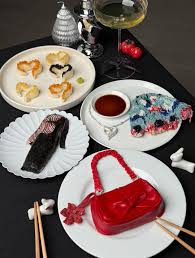
What began in 2022 as playful experimentation with kitchen staples like rice and vegetables has matured into a sophisticated visual language. Kyung-jin’s work is a masterful fusion of high-concept editorial styling and "kawaii" pop culture. Her portfolio features ramen transformed into flowing hair, dumplings reimagined as sculptural handbags, and delicate pasta shaped into miniature garments. While the ingredients—noodles, eggs, and dough—are humble, the execution is a complex feat of precision sculpting and structural engineering.
The Desigual Collaboration: A Conceptual Bridge
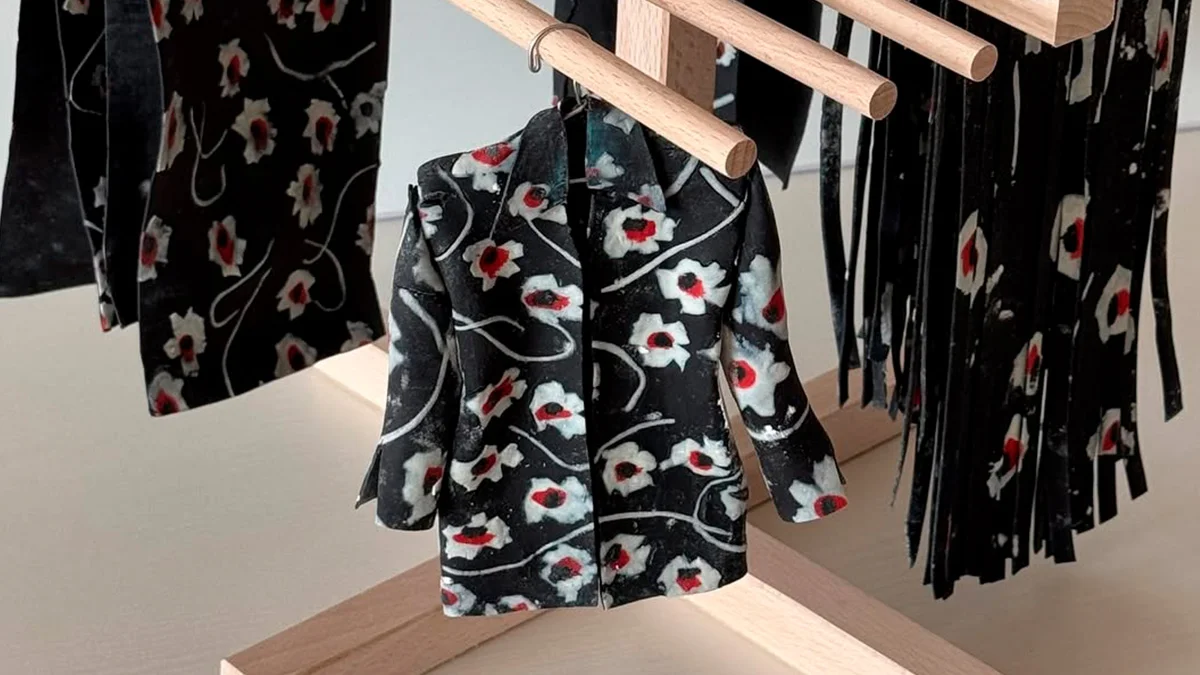
The legitimacy of "edible fashion" moved from digital novelty to industry reality through Kyung-jin’s collaboration with the Spanish brand Desigual. For their Desigual artist series, she translated textile patterns into handmade ravioli designed to mimic a floral mini dress. This partnership highlighted a fascinating conceptual shift:
Fabric became sheets of pasta.
Prints were reimagined through vegetable dyes.
Garments were presented as plated compositions.
This was not a mere gimmick; it was a runway interpretation in a purely culinary form, proving that fashion codes can exist independently of traditional textiles.


The Semiotics of Luxury Carbs
What makes @sibatable a significant figure for fashion enthusiasts is her intuitive grasp of luxury semiotics. Without explicitly naming major houses, her work evokes the very essence of the industry:
Draping techniques that mirror haute couture.
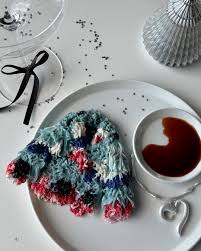
Texture play reminiscent of silk, organza, and high-end knitwear.
Silhouettes that echo the architecture of coats and layered gowns.
Her art taps into a core paradox of luxury: the tension between an object’s function and its status as art. Just as a couture gown is designed to be worn but is often preserved as a masterpiece, Kyung-jin’s dishes are frequently described by her millions of followers as "too cute to eat".
The creation of these "sculptural handbags" involves several sophisticated steps:
Conceptual Interpretation: The process begins by translating traditional fashion codes into edible matter. For instance, a common dumpling is reimagined and sculpted to take on the form of a luxury handbag.
Creating the "Fabric": Just as a designer selects textiles, Kyung-jin creates "fabrics" from food. This often involves using pasta sheets or dough to act as the primary material for the garment or accessory.
Natural Color Balancing: To achieve the vibrant look of high-concept fashion, the artist uses vegetable dyes to translate complex textile patterns and prints onto the dough or fillings.
Precision Sculpting: Unlike standard food preparation, this process requires high-level precision sculpting to mirror the draping techniques and silhouettes found in haute couture.
Structural Engineering: A critical and difficult part of the process is ensuring structural stability. The artist must manipulate ingredients like noodles or dough so they maintain their shape as a 3D object on the plate.
Time and Craftsmanship: While the final result may look playful, the execution is "anything but casual". A single piece can take anywhere from several hours to even days to complete, operating much like a "micro couture house" where every detail is handcrafted.
Ultimately, the goal is to create a plated composition where the kitchen acts as a studio, turning every bite into a fleeting piece of couture that mimics the semiotics of luxury—such as the texture of silk or the architecture of a designer bag—before it is consumed.
When Food Became Fashion
It’s not a coincidence that projects like @sibatable feel so relevant right now, food has quietly become one of fashion’s most unexpected obsessions.
In recent seasons, luxury brands have started to blur the line between object and appetite. A clear example is Louis Vuitton, which introduced gyoza-shaped charms and accessories under the creative direction of Pharrell Williams. These pieces, inspired by the Japanese dumpling, translate something everyday and edible into a collectible luxury object.
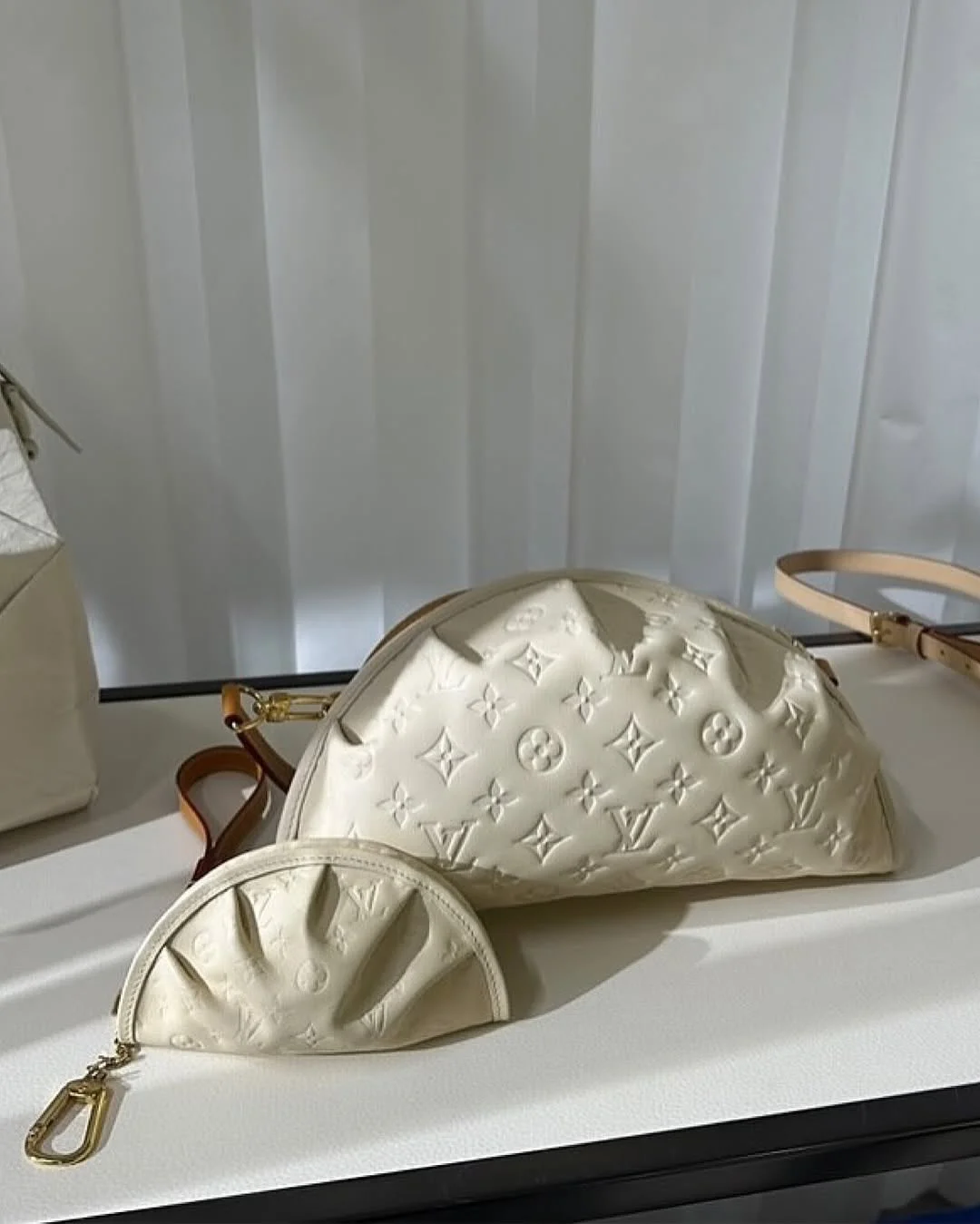
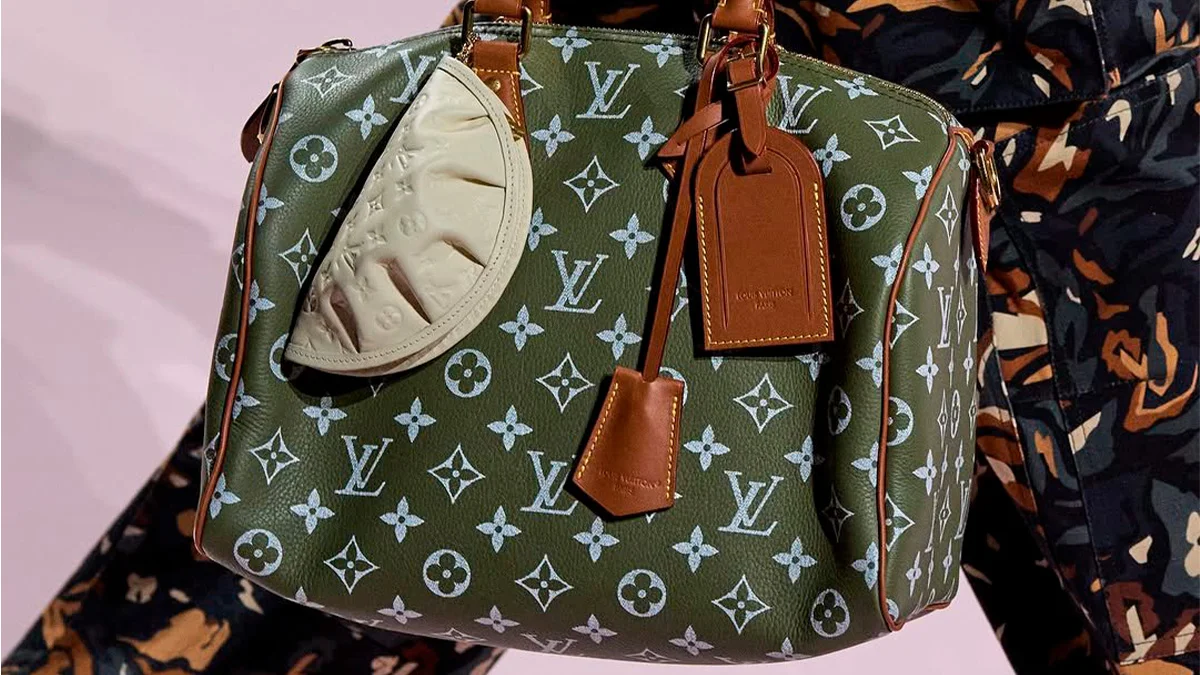
What makes this shift interesting is not just the aesthetic, but the intention behind it. Food is universal, emotional, and instantly recognizable—qualities that align perfectly with how fashion communicates today, especially in a digital context.
From lobster-shaped bags to dumpling keychains, these designs are not meant to be subtle. They are conversation pieces, designed to be photographed, shared, and remembered. In a landscape driven by visibility, food becomes more than inspiration, it becomes a strategy.
And in that sense, @sibatable doesn’t sit outside fashion. It reflects exactly where the industry is heading.
The Future of Ephemeral Fashion
The rise of @sibatable signals a broader cultural shift. Fashion is no longer confined to the physical rack; it now lives across digital skins, AI-generated visuals, and edible design. Unlike traditional garments, Kyung-jin’s pieces are designed to disappear—consumed and remembered only through the digital lens.
As luxury brands begin to explore food artists as essential collaborators for capsule collections and runway replicas, Kyung-jin stands as a prototype for a new creative role. She has turned the kitchen into a studio and the plate into a runway, reminding us that fashion is ultimately something we see, desire, and consume.
The process of creating edible couture handbags, as pioneered by South Korean artist Min Kyung-jin (the creator behind @sibatable), is a meticulous transformation of culinary ingredients into high-fashion accessories.