%20(1).png)
CARTIER: The Eternal Reign of the Maison and the New Eastern Renaissance
- 22 mar
- 4 min de lectura
Actualizado: 12 may
Few names in the world of luxury carry the weight, prestige, and cultural resonance of Cartier. For over a century, the Maison has defined what it means to create not just jewelry, but symbols—objects that transcend time, embody status, and become part of history itself. From the royal courts of the 19th century to the modern-day digital stage led by Korean icons, Cartier’s story is one of continuous evolution without ever losing its essence.
A Legacy of Kings and Craftsmen
Founded in Paris in 1847 by Louis-François Cartier, the workshop quickly distinguished itself through exceptional craftsmanship. However, it was the leadership of his grandsons that transformed the brand into a global empire, earning it the legendary title: “The jeweller of kings and the king of jewellers”. This was solidified in 1904 when King Edward VII granted Cartier a royal warrant, making the brand a universal symbol of power and prestige.
The Geometry of Elegance: Iconic Design
Cartier has an unparalleled ability to turn rigid inspiration into fluid grace. In 1917, Louis Cartier introduced the Cartier Tank, a watch inspired by the geometric lines of military tanks from World War I. This piece became a staple for figures like Princess Diana, Andy Warhol, and Jackie Kennedy, proving that true design is a statement of timeless elegance.
Similarly, the Panthère—closely associated with the visionary creative director Jeanne Toussaint—evolved into a symbol of strength, independence, and sensuality. By 1969, the Maison redefined modern romance with the Love bracelet, an intimate piece secured with screws to symbolize permanence, transforming jewelry into a ritual of commitment.
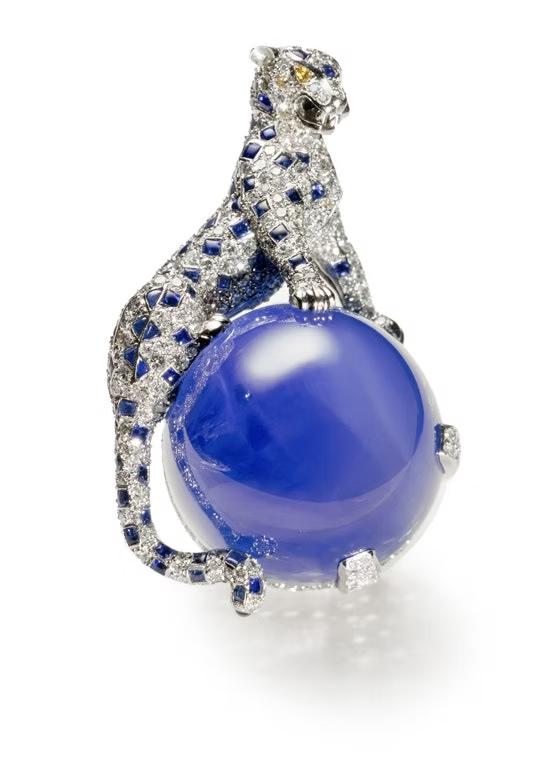
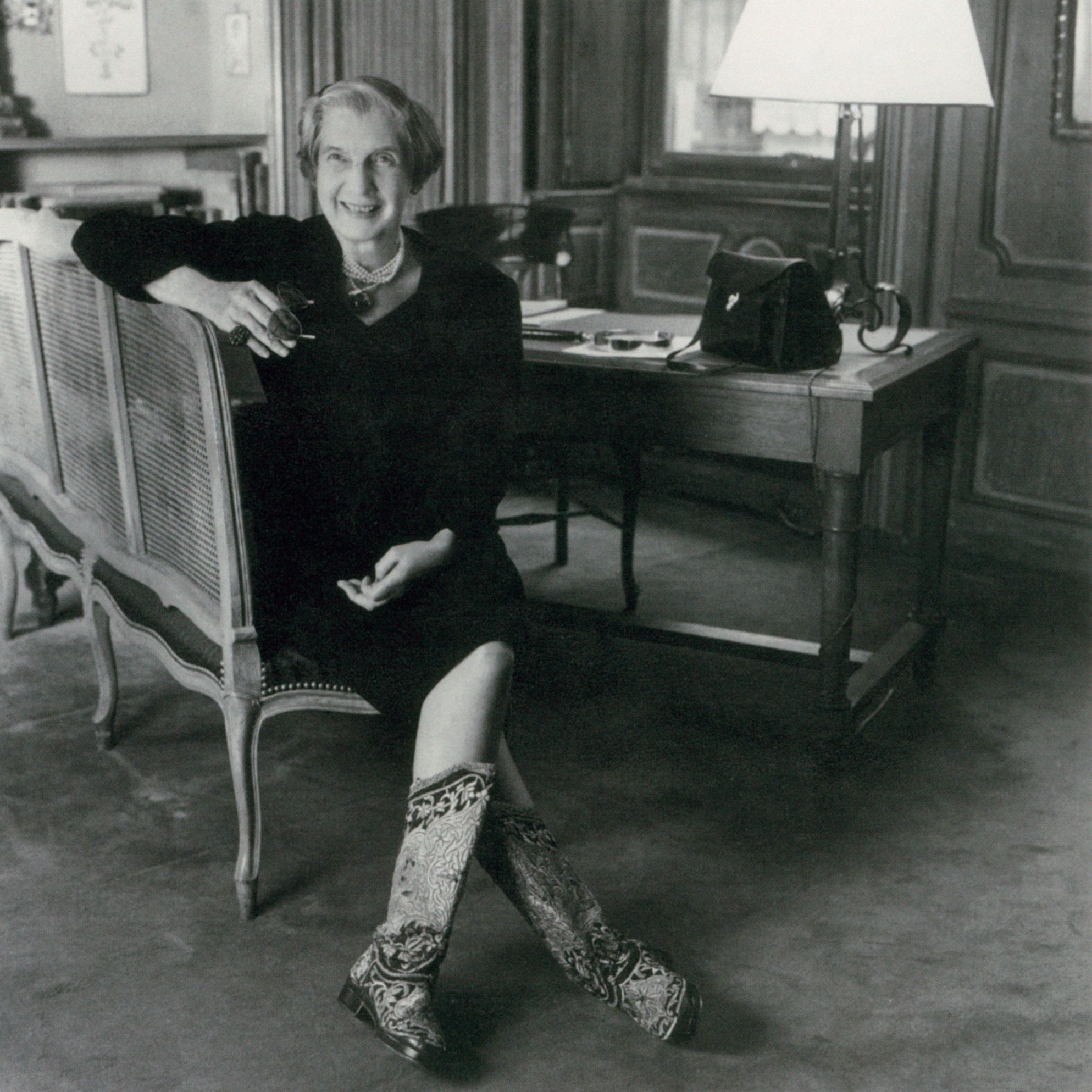
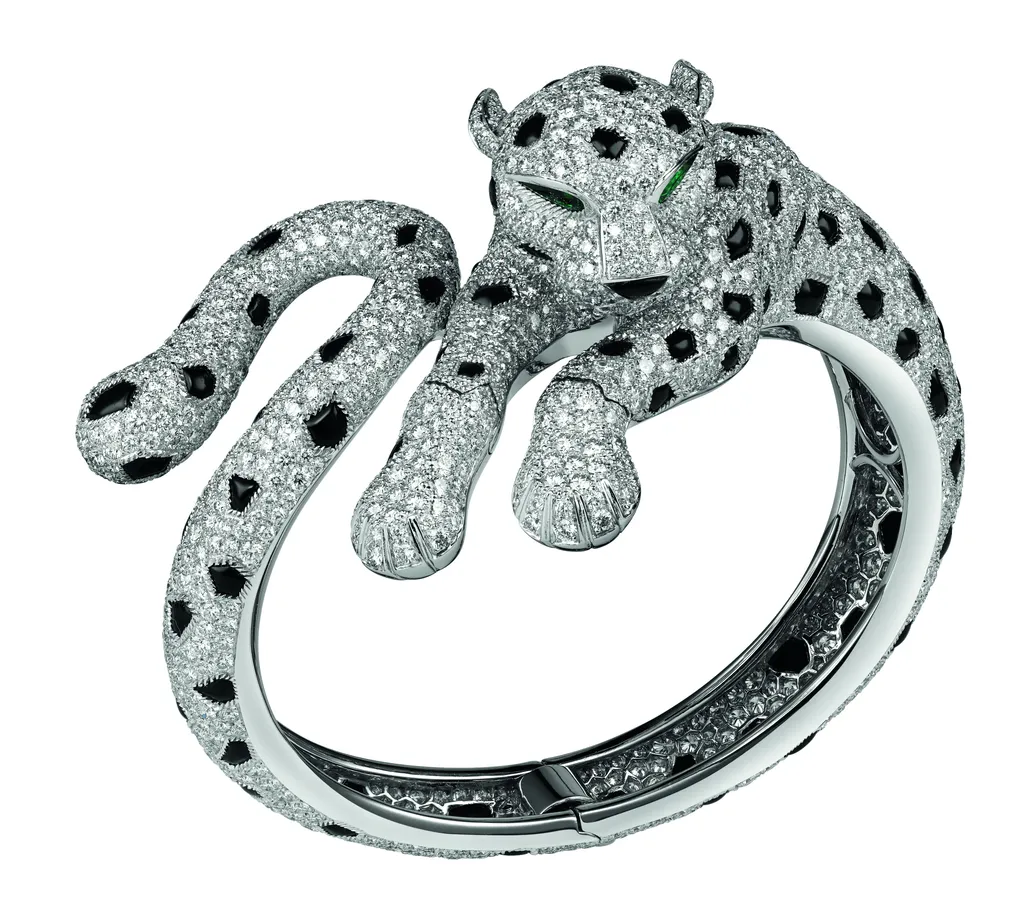

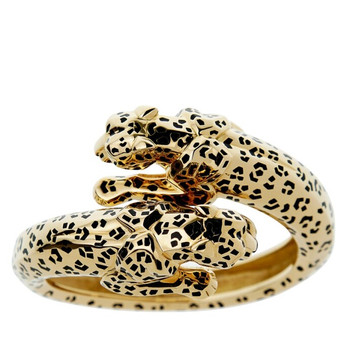
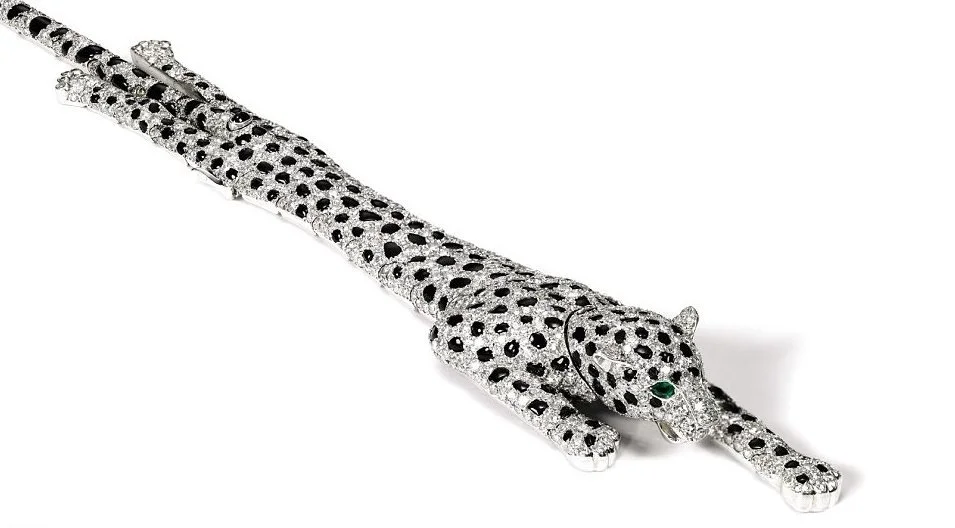
The Panthère stands as one of Cartier’s most defining symbols, a motif that captures the very essence of the Maison’s identity: a blend of power, femininity, and avant-garde design. While the panther was first introduced to the Cartier universe in the early 20th century, its transformation into a legendary cultural icon is inextricably linked to the visionary Jeanne Toussaint.
As Cartier’s legendary creative director, Toussaint was the architect of the panther’s modern legacy. Under her bold leadership and distinct vision, the creature moved beyond a simple decorative pattern to become a profound symbol of strength, independence, and sensuality. Her influence was so profound that the panther became her personal signature, eventually evolving into the sculptural and fluid masterpiece we recognize today.
In the world of high jewelry, the Panthère is more than just a piece of craftsmanship; it is a statement of identity. Today, it remains one of Cartier’s most recognizable and enduring motifs, continuing to grace the red carpets and collections of the modern era as a testament to Toussaint's timeless aesthetic.
The Modern Muse: Bridging Heritage and the East
Today, Cartier continues to shape the luxury landscape by connecting its deep heritage with contemporary culture. In a significant shift for the industry, the Maison has embraced global ambassadors who represent the pulse of modern style, particularly from South Korea and the East.
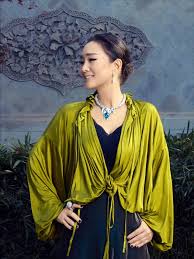
The inclusion of Hyunjin as a brand ambassador reflects this new era. His presence brings a younger global audience and strong digital engagement, bridging the gap between traditional luxury and the vibrant energy of contemporary Korean culture. Alongside him, figures like Jackson Wang and Gong Li represent a shift where luxury is shaped as much by Eastern cultural influence as by European heritage. These ambassadors are not just faces; they are the new voices of a global narrative where history meets the avant-garde.










Hyunjin’s role as a global ambassador
He is central to Cartier's modern strategy of connecting its historical heritage with contemporary culture. His influence impacts the brand’s identity in several key ways:
Expanding to a Younger Audience: Hyunjin’s presence helps Cartier reach a younger global demographic, ensuring the brand remains relevant to new generations of luxury consumers.
Driving Digital Engagement: His role is a catalyst for strong digital engagement, bringing the brand into the center of modern online conversations and social media landscapes.
Bridging Tradition and Contemporary Trends: By associating with icons like Hyunjin, Cartier creates a vital link between traditional luxury and vibrant contemporary culture. This reflects a broader industry shift where luxury identity is increasingly shaped by Eastern cultural influence alongside European heritage.
Defining Modern Relevance: Hyunjin represents the "new voices" of the modern era, helping the Maison balance its deep history with innovation and modern relevance.
Ultimately, Hyunjin does not just serve as a face for the brand; he acts as a bridge that allows Cartier to maintain its status as a cultural institution while evolving into a global narrative where history meets the avant-garde.
Beyond Trends: The Art of the Heirloom
What sets Cartier apart in an industry of fleeting trends is its dedication to exceptional craftsmanship. Each piece is the result of a meticulous design process, expert stone selection, and precise hand-finishing. Cartier does not chase trends; it defines them, balancing exclusivity with modern relevance.
As we look toward the future of fashion, Cartier remains a cultural institution. From royal coronations to the red carpets graced by our favorite Korean icons, the Maison proves that true elegance is not about time,it is about timelessness. In the world of luxury, Cartier remains the constant, the heirloom, and the ultimate symbol of a life well-lived.


