%20(1).png)
GOTHIC LOLITA: The Japanese Subculture That Turned Fashion Into Armor
- 10 may
- 5 min de lectura
Lace, religion, Victorian mourning, Visual Kei and the birth of one of fashion’s most misunderstood movements
Long before “dark coquette”, “Wednesdaycore” or luxury brands rediscovered corsetry and Victorian silhouettes, Japan had already created one of the most visually complex and intellectually layered fashion subcultures in modern history:
Gothic Lolita.
Not cosplay.Not fetishwear.Not costume.
But a meticulously constructed aesthetic movement born from rebellion, music, femininity, aristocracy and control.
And unlike many internet trends that diluted its image later, original Gothic Lolita was deeply coded — socially, culturally and visually.
The origin: Japan, The 80's and the rise of the Kawaii rebellion
To understand Gothic Lolita, it is essential to understand what was happening in Japan during the late 1970s and 1980s.
Post-war Japanese society heavily emphasized:
conformity
academic pressure
corporate identity
social obedience
At the same time, the rise of kawaii culture introduced a radically different visual language centered around:
youthfulness
innocence
emotional softness
nostalgia
This aesthetic eventually evolved into what became known as Lolita fashion, inspired by:
Victorian children’s clothing
Rococo silhouettes
Edwardian doll aesthetics
European aristocratic fashion
Early brands like Milk and Pretty (later Angelic Pretty) helped establish the “doll-like” silhouette during the 1970s and 1980s.
But Gothic Lolita itself would not fully emerge until the 1990s.
Harajuku: The capital of japanase fashion subculture
The movement exploded in Tokyo’s Harajuku district, especially around:
Takeshita Street
Laforet Harajuku
independent boutiques
underground music venues
Harajuku during the 1990s functioned almost like a living runway for Japanese youth identity.
Street fashion magazines such as:
FRUiTS
KERA
Gothic & Lolita Bible
documented these styles obsessively, turning local street fashion into global visual culture. (Reddit)
Unlike Western goth culture — which often leaned toward punk nihilism — Gothic Lolita emphasized:
elegance
ritualized femininity
precision
beauty through restriction
The silhouette itself became a form of discipline.
The man who changed everything: MANA
No figure is more important to Gothic Lolita than Mana.
The guitarist and co-founder of the Visual Kei band Malice Mizer became the single most influential visual architect of Gothic Lolita fashion in the 1990s.
Mana appeared publicly wearing:
white powdered makeup
platform boots
cathedral-inspired dresses
lace headdresses
corseted silhouettes
At a time when gender presentation in mainstream fashion remained rigidly coded.
His influence was so strong that many historians and wearers credit him with defining what the world now recognizes as Gothic Lolita.
In 1999, Mana founded Moi-même-Moitié, the brand that formalized the aesthetic globally.
The brand introduced two terms still used today:
Elegant Gothic Lolita (EGL)
Elegant Gothic Aristocrat (EGA)
Moi-Même-Moitié: The Definitive gothic lolita label
Founded in 1999, Moi-même-Moitié became the blueprint for Gothic Lolita fashion.
Its signature aesthetic included:
black velvets
cathedral lace
bat motifs
silver crosses
stained-glass inspired prints
medieval gate imagery
religious iconography
The brand became famous for its use of a deep electric blue now referred to within the community as “Moitié Blue.”
Key prints included:
Iron Gate
Silent Moon
Divine Cross
while iconic accessories included the:
Bat Cross Bag
lace cathedral headpieces
embroidered knee socks
Unlike sweeter Lolita brands, Moi-même-Moitié used:
velvet
brocade
silk
heavy lace
instead of lightweight cottons.
Its visual identity referenced:
Gothic cathedrals
mourning dress
vampires
European aristocracy
church architecture
Mana himself described the brand concept as:
“Elegant Gothic Girl, Noble Vampire Romance.”
The silhouette: why It matters.
True Gothic Lolita follows strict silhouette rules.
The classic structure consists of:
bell-shaped skirt or A-line skirt
petticoat underneath
blouse with high collar
knee socks or tights
platform shoes or Mary Janes
headwear (bonnets, headdresses, mini hats)

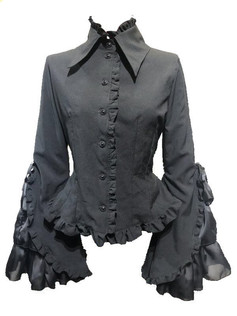

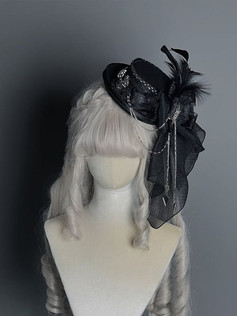



This structure was intentional.
The fashion rejected:
body exposure
overt sexuality
modern minimalism
Instead, it emphasized:
modesty
theatrical femininity
visual control
The silhouette often concealed the natural body entirely.
Ironically, this made Gothic Lolita one of the most feminist subcultures in Japanese fashion history for many wearers.
The different types of lolita fashion
Contrary to popular belief, Gothic Lolita is only one branch of a much larger ecosystem.
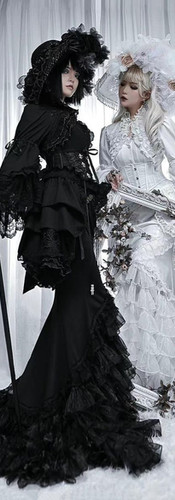
Gothic Lolita
Dark palette, crosses, cathedrals, mourning aesthetics.
Sweet Lolita
Pink, pastel tones, teddy bears, cakes, bows.
Major brands:
Angelic Pretty
Baby, The Stars Shine Bright
Classic Lolita
More mature and historical.Muted colors, floral jacquards, Victorian influence.
Elegant Gothic Aristocrat (EGA)
Androgynous aristocratic style created by Mana.
Key pieces:
tailcoats
jabots
corsets
trousers
capes
Punk Lolita
Mixes tartan, chains and punk influences with Lolita silhouette.
Military Lolita
Inspired by military uniforms and structured tailoring.





Makeup: the face of Gothic lolita
Unlike Western goth makeup, Gothic Lolita makeup traditionally avoided excessive aggression.
Typical elements included:
porcelain skin
soft contouring
circle lenses
thin eyebrows
dark cherry lips
elongated eyeliner
The objective was not “darkness” alone.
It was to resemble:
porcelain dolls
Victorian ghosts
ethereal aristocrats
Hair was equally important.
Popular hairstyles included:
blunt bangs
curled twin tails
black ringlets
long straight hair with bangs
Accessories frequently included:
lace parasols
rosaries
cameo jewelry
crucifix necklaces
miniature crowns
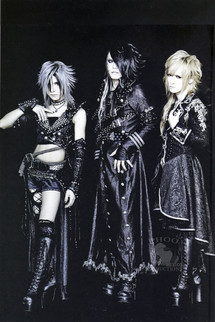
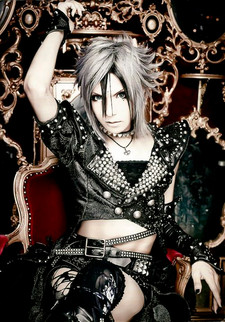
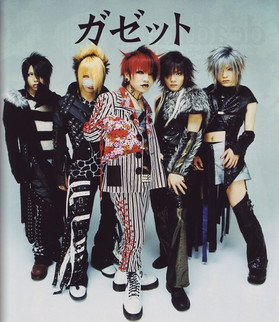
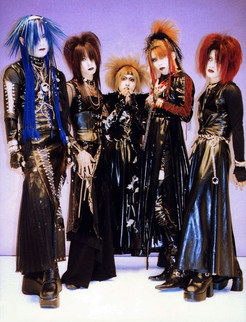
The role of visual Kei
Without Visual Kei, Gothic Lolita would never have reached global scale.
Visual Kei — the Japanese rock movement combining:
glam rock
goth
androgyny
theatrical styling
(directly influenced the aesthetic.)
Bands like:
Malice Mizer
Dir en Grey
Moi dix Mois
Popularized dramatic Gothic styling among Japanese youth.
Mana in particular blurred gender boundaries through clothing decades before luxury fashion embraced gender-fluid styling.
Today, many silhouettes seen in luxury menswear (especially romantic tailoring ) echo ideas already present in Visual Kei and Gothic Lolita during the late 1990s.




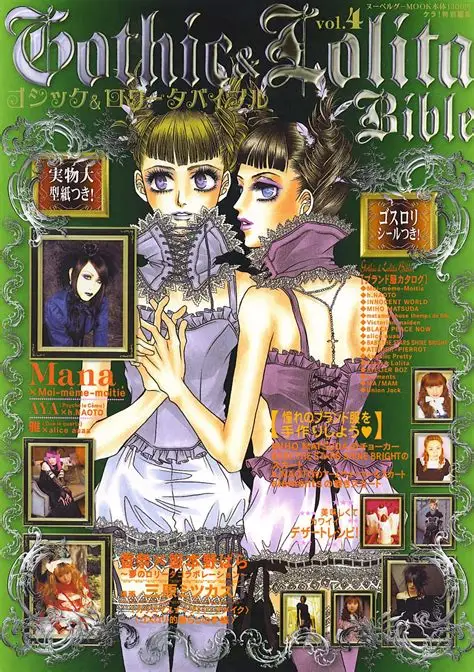
Gothic Lolita Bible: The magazine that built the movement
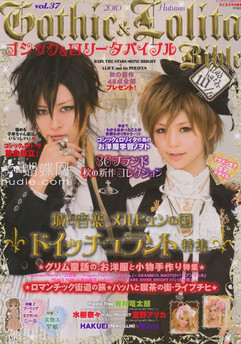
No publication shaped the movement more than:
Gothic & Lolita Bible
Published from 2001 onward, the magazine functioned as:
fashion editorial
makeup guide
sewing manual
street style archive
It featured:
Mana
underground models
independent brands
readers themselves
For many Western fans before social media, Gothic & Lolita Bible was the only access point into the culture, ( in fact I got many at home )





The western misunderstanding
One of the greatest misconceptions surrounding Gothic Lolita is the assumption that it derives from Vladimir Nabokov’s Lolita.
It does not.
In Japan, “Lolita” refers to:
doll-like innocence
femininity
Victorian youth aesthetics
( not sexualization )
This misunderstanding caused major controversy when the style first spread internationally during the 2000s.
Many original wearers rejected Western media attempts to eroticize the fashion.
Why gothic lolita declined
By the late 2010s, the original Harajuku subculture ecosystem began weakening due to:
fast fashion
social media homogenization
rising rents in Harajuku
global trend cycles
At the same time, newer aesthetics emerged:
Jirai Kei
Yami Kawaii
Dark Coquette

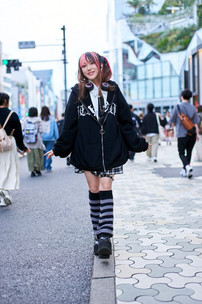



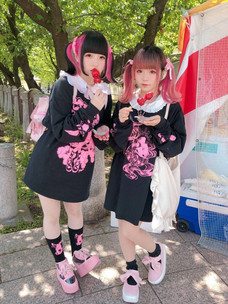
Many borrowed elements from Gothic Lolita while simplifying the silhouette for everyday wear.
Still, the original community never disappeared.
Collectors continue hunting archival pieces from:
Moi-même-Moitié
Atelier Pierrot
Baby, The Stars Shine Bright
Some rare dresses now resell for thousands of dollars online.
Its legacy in modern fashion
The influence of Gothic Lolita can still be seen today in:
corsetry revival
doll makeup aesthetics
platform footwear
dark romantic luxury
genderless tailoring
“coquette goth” aesthetics on TikTok
Designers and celebrities continue referencing the movement either directly or indirectly.
Even modern luxury campaigns increasingly use:
Victorian silhouettes
cathedral imagery
lace layering
romantic darkness
( all visual codes long associated with Gothic Lolita.)
Final thought
Gothic Lolita was never simply about dressing differently.
It was about constructing an identity completely outside social expectation.
Every detail mattered:
the lace
the silhouette
the posture
the ritual of dressing itself
In a world obsessed with speed and exposure, Gothic Lolita demanded precision, elegance and control.
And perhaps that is why it continues to fascinate fashion decades later.
Not because it was cute, because it transformed clothing into an entire world.
All images featured in this article are credited to owners . They are used for editorial and illustrative purposes only, with no commercial intent. All rights remain with their respective owners.


