%20(1).png)
TOMMY HILFIGER: The Architecture of American Cool
- 14 abr
- 4 min de lectura
Few names in fashion have defined a national aesthetic as distinctly as Tommy Hilfiger. Synonymous with a polished yet relaxed vision of American style, Hilfiger built more than a brand—he created a cultural language rooted in optimism, accessibility, and reinvention. At the heart of this legacy lies Tommy Hilfiger, a label that has consistently bridged the gap between classic preppy codes and contemporary global culture.
The Designer: From Elmira to Global Influence
Born in a small town in New York, Hilfiger’s beginnings were far from the traditional fashion capitals. Yet, his early exposure to music, youth culture, and retail would become the foundation of his design philosophy.
Unlike designers trained in couture ateliers, Hilfiger approached fashion from the perspective of the consumer. He understood aspiration not as exclusivity, but as accessibility. His vision was clear: to reinterpret classic American staples through a modern, youthful lens.
While his role is primarily that of a designer and entrepreneur rather than a photographer, Hilfiger has always demonstrated a strong visual instinct. His campaigns, casting choices, and brand imagery have played a crucial role in shaping the identity of his label, making him as much a curator of images as a creator of clothing.








The Brand: Red, White, Blue and Beyond
At its core, Tommy Hilfiger is built on a simple yet powerful idea: American heritage reimagined.
From its inception in the 1980s, the brand has drawn from:
Ivy League prep
Nautical influences
Classic sportswear
Vintage Americana
But what sets Hilfiger apart is not the references, it’s the reinterpretation.
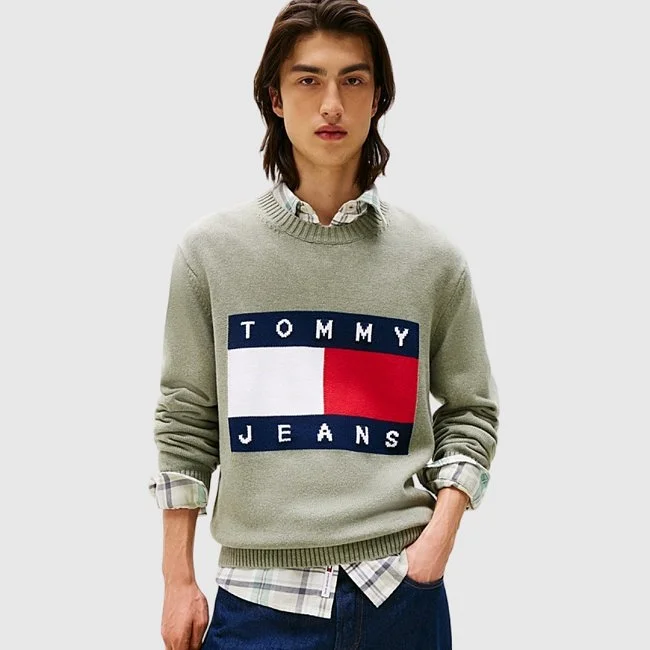
Hilfiger took the codes of traditional preppy style button-down shirts, chinos, blazers, and infused them with a sense of ease and irreverence. The result was a look that felt polished but never rigid.
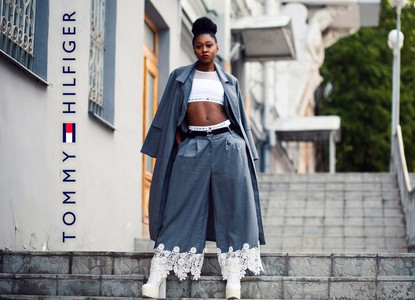
Oversized fits in the ‘90s, bold logos, and relaxed silhouettes transformed what was once exclusive into something democratic and globally appealing.
The 90s Phenomenon: Fashion Meets Pop Culture
The true turning point for the brand came in the 1990s, when it became deeply intertwined with music culture, particularly hip-hop.
Artists like Aaliyah and Snoop Dogg embraced the brand organically, redefining how it was perceived. What began as classic American prep suddenly became a symbol of cultural crossover.
This moment was revolutionary:
Luxury and streetwear began to merge
Branding became central to identity
Fashion moved closer to music and youth culture.
Hilfiger didn’t just adapt to this shift, he anticipated it.
Branding as Identity
One of Hilfiger’s greatest strengths lies in branding. The iconic red, white, and blue logo is instantly recognizable, evoking both heritage and modernity.
Campaigns have consistently featured diverse casts and cultural icons, positioning the brand as inclusive long before it became an industry standard.
Rather than relying solely on product, Hilfiger built a lifestyle:
Family-oriented campaigns
Celebrity collaborations
Strong visual storytelling
This approach turned the brand into a global symbol of aspirational yet attainable style.
K-Pop Meets American Heritage: The Stray Kids Moment
In its ongoing dialogue with global culture, Tommy Hilfiger has increasingly turned its attention toward the influence of K-pop an industry that continues to redefine fashion’s global reach. Among its most notable recent alignments is with Stray Kids, a group whose aesthetic versatility and international impact make them a natural extension of the brand’s evolving identity.
The collaboration reached a defining moment at the Met Gala, where Stray Kids made history as the first K-pop group to attend as a full ensemble. Dressed by Tommy Hilfiger, the group embodied a contemporary reinterpretation of classic American tailoring clean lines, refined silhouettes, and subtle modern twists that echoed both the brand’s heritage and the group’s dynamic presence.
This appearance was more than a red carpet moment; it was a cultural statement. It signaled the convergence of American legacy fashion with the global power of Korean idol culture, wo forces shaping the industry from different yet increasingly interconnected perspectives.
Beyond the Met Gala, the relationship has extended into multiple collaborations and appearances, reinforcing a shared vision of modern style. Members Felix and Lee Know have taken on roles as brand ambassadors, representing Tommy Hilfiger in an international event. Their individual styles Felix’s bold, fashion-forward sensibility and Lee Know’s refined elegance align seamlessly with the brand’s balance of classic and contemporary.
Through this partnership, Tommy Hilfiger continues to demonstrate an acute awareness of where culture is moving. By embracing K-pop not as a trend but as a defining force, the brand reaffirms its ability to remain relevant, global, and forward-thinking without ever losing sight of its roots.
Evolution in the 21st Century
As fashion entered the digital age, Tommy Hilfiger continued to evolve.
See-Now-Buy-Now Innovation
Hilfiger was among the first major designers to adopt a “see-now-buy-now” model, aligning runway presentations with immediate retail availability—bridging the gap between desire and access.
Collaborations and Cultural Relevance
Collaborations became a key strategy, notably with Gigi Hadid, bringing a fresh, global appeal to the brand. These partnerships reintroduced Hilfiger to a younger audience while maintaining its core identity.
Sustainability and Responsibility
In recent years, the brand has also shifted toward more sustainable practices, reflecting the growing demand for conscious fashion.
A Global Vision Rooted in America
Despite its expansion into international markets, the brand has never lost its American essence. Instead, it has translated it for a global audience.
From New York to Tokyo, London, and beyond, Hilfiger’s vision resonates because it balances familiarity with innovation.


The Visual World of Hilfiger
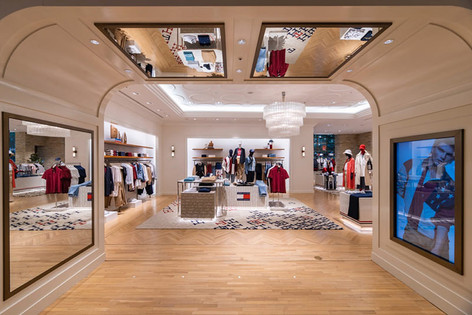
Although not a photographer by profession, Tommy Hilfiger has always understood the power of imagery.
His campaigns often feel cinematic:
Carefully styled ensembles
Strong group dynamics
A sense of narrative and belonging
This visual coherence has been essential in maintaining the brand’s identity across decades.
Legacy and Relevance
Few designers manage to remain relevant across multiple generations. Hilfiger’s success lies in his ability to evolve without losing his core.
Today, the brand stands as:
A pioneer of lifestyle branding
A bridge between heritage and modernity
A symbol of inclusive American style
Conclusion
Tommy Hilfiger didn’t just design clothes he designed a vision of America that could travel the world. Through Tommy Hilfiger, he transformed preppy tradition into a global language, one that continues to adapt, resonate, and inspire.
In a constantly shifting industry, Hilfiger proves that true style isn’t about chasing trends, he is rewriting the rules.
All images featured in this article are credited to owners . They are used for editorial and illustrative purposes only, with no commercial intent. All rights remain with their respective owners.


