%20(1).png)
VIVIENNE WESTWOOD: Chaos, Crowned The Architect of Fashion’s Greatest Revolt
- 3 abr
- 7 min de lectura
In the vast, often sanitized landscape of luxury fashion, few figures have dared to treat the runway as a battlefield. Vivienne Westwood was not merely a designer; she was a cultural architect who didn’t just challenge the established system, she humiliated, seduced, and ultimately rewrote it. Her story is one of beautiful contradictions: a dance between punk and aristocracy, destruction and exquisite craftsmanship, and a lifelong tension between rebellion and tradition. Westwood didn’t just want to dress the world; she wanted to expose what it was and what it could potentially become.
From the Classroom to the King’s Road
Her ascent to the pinnacle of high fashion was anything but inevitable. Before the world knew her for crowns and corsets, Westwood was a primary school teacher. Her trajectory shifted when she met Malcolm McLaren, her partner in life and creative disruption. Together, they transformed a small boutique at 430 King’s Road into a series of incendiary retail concepts, eventually culminating in SEX, a store that sold ideology through rubber, bondage, and slogans.
During this era, Westwood’s designs became the visual soul of the birth of punk. When McLaren began managing the Sex Pistols, the band didn’t just wear clothes; they wore Westwood’s manifesto, using fashion to offend, destabilize, and awaken a dormant society.
The Great Pivot: From Aggression to Romance
While many of her contemporaries remained trapped in the punk aesthetic, Westwood’s genius lay in her ability to radically evolve. Her 1981 debut runway collection, Pirate, felt like a betrayal to some but was actually a masterstroke of evolution. She moved away from pure aggression and re-introduced romance, theatricality, and historical fantasy into a post-punk world.
This period birthed a series of collections that were less about trends and more about intellectual arguments:
Savages (1982): A critique of Western "civilization" through raw, anthropological silhouettes.
Buffalo / Nostalgia of Mud (1982–83): A precursor to globalized fashion, utilizing tribal references and complex layering.
Witches (1983): A collaboration with artist Keith Haring that blended tailoring with occult symbolism.
Mini-Crini (1985): Perhaps her most famous paradox, merging the Victorian crinoline with the mini skirt to weaponize and reframe femininity.
Investing in Vivienne Westwood is less about following a trend and more about acquiring what the sources describe as "artifacts" of a cultural revolution. Because Westwood viewed fashion as a series of intellectual arguments rather than mere seasonal clothing, her most iconic pieces carry a weight of history and defiance.
If you are looking to build a collection of her most significant works, here are the essential pieces to consider:
1. The Architectural Corsetry
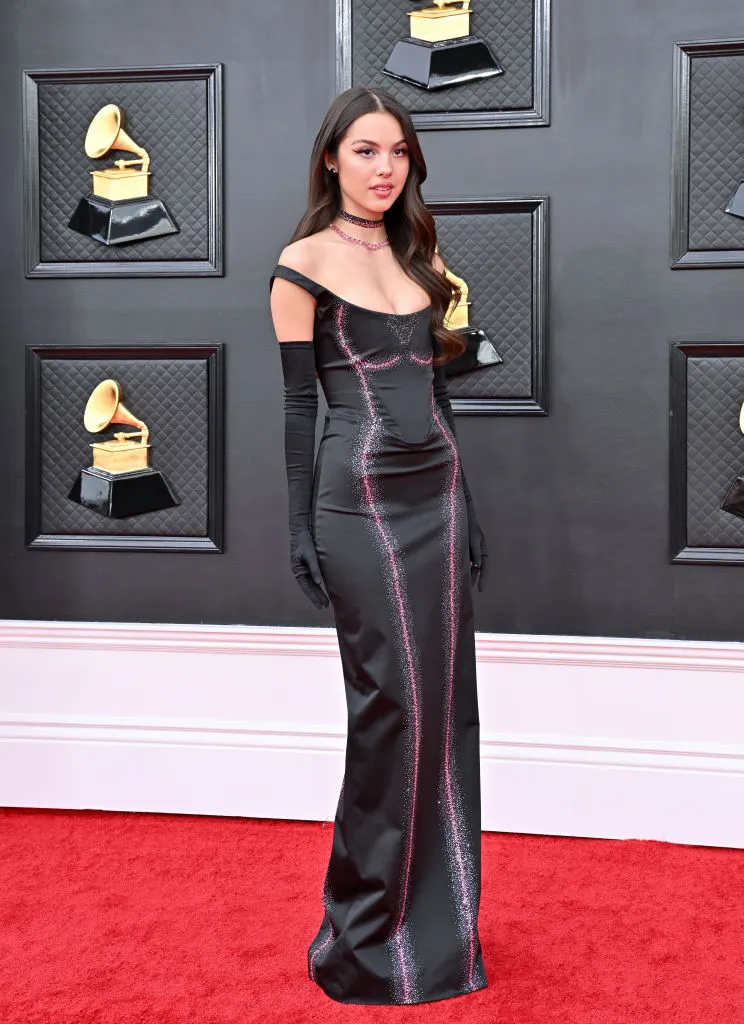
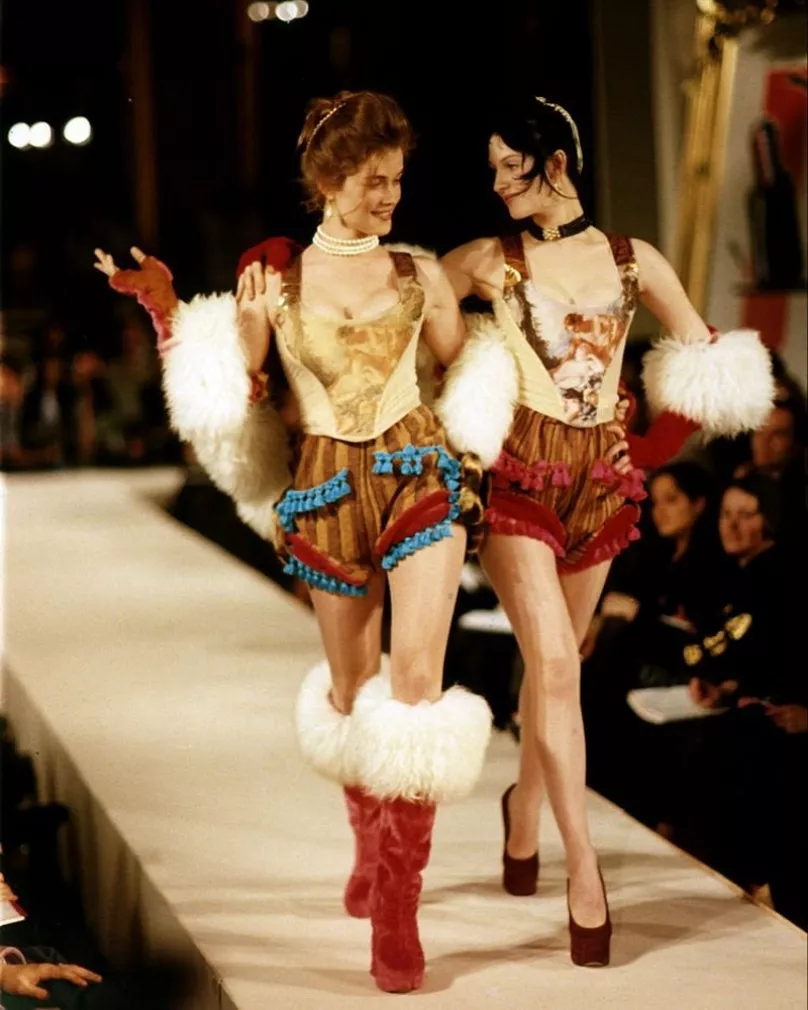
Perhaps her most profound contribution to luxury fashion was the reimagining of the corset. Moving it from a tool of restriction to one of empowerment, Westwood engineered these pieces like architecture.
What to look for: Pieces from the Gold Label, which represent the pinnacle of her historical research and opulent theatricality.
The Investment Value: Particularly sought-after are the corsets printed with classical paintings (such as those by François Boucher), which bridge the gap between fine art and subversive fashion.
2. The "Orb" Jewelry
The Orb is the ultimate Westwood signature, a symbol that merges royal regalia with the rings of Saturn, representing the collision of tradition and futurism.
The Orb Necklace: An instantly recognizable piece that has achieved "cultural canonization," especially within the Tokyo fashion scene.
The Armor Ring: Famously worn by the character Nana Osaki in the manga Nana, this piece turned vintage Westwood into a "badge of belonging" for a global cult following.
3. Historical Footwear
Westwood’s footwear often prioritized theatricality over practicality, creating moments that entered fashion mythology.
Pirate Boots: Originating from her 1981 Pirate collection, these boots marked her shift from punk aggression to romanticism and fantasy.
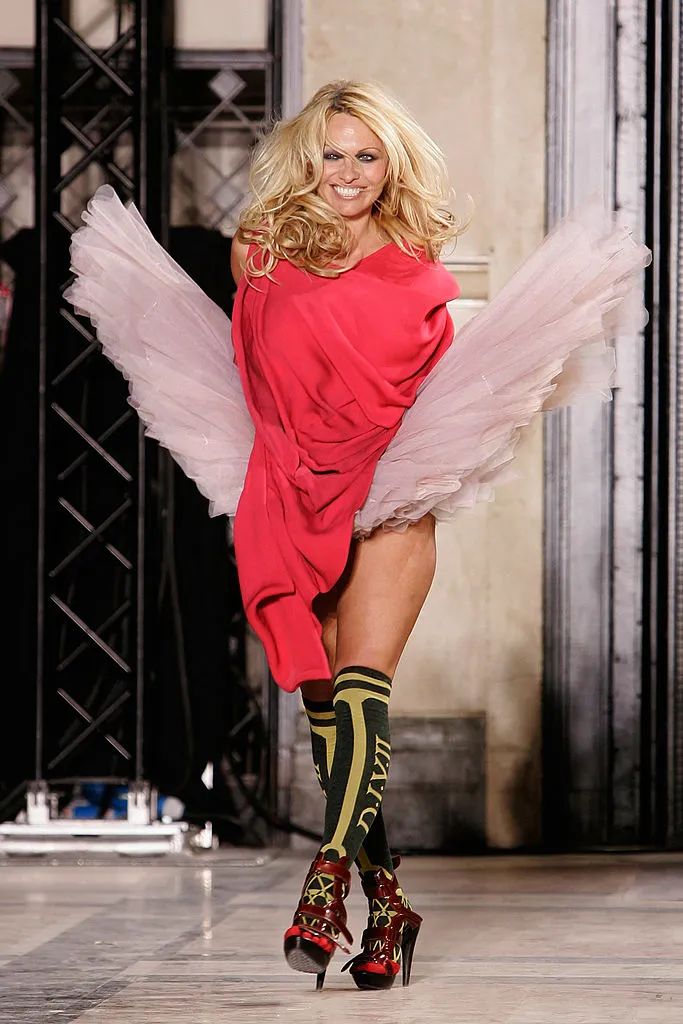
Super Elevated Ghillies: These are the "impossibly high" platform heels famous for Naomi Campbell’s fall on the 1993 runway. They remain a testament to Westwood's embrace of beautiful chaos.
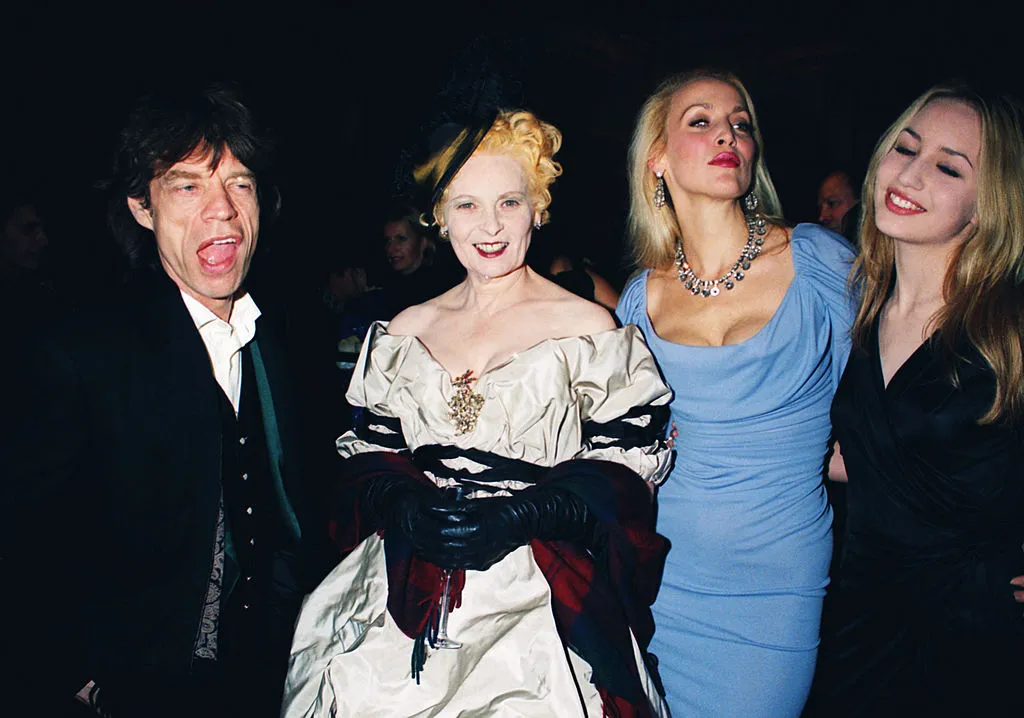
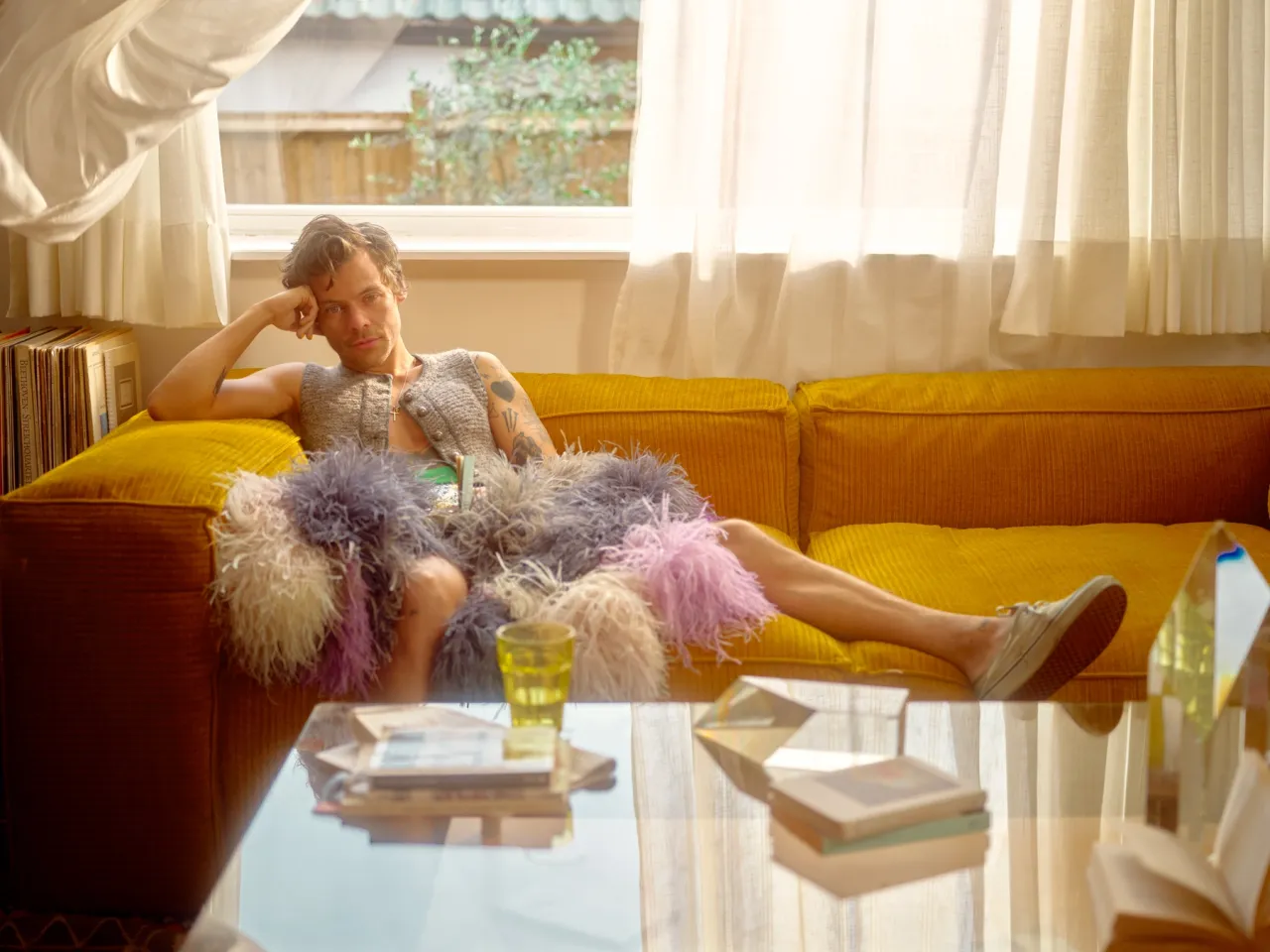
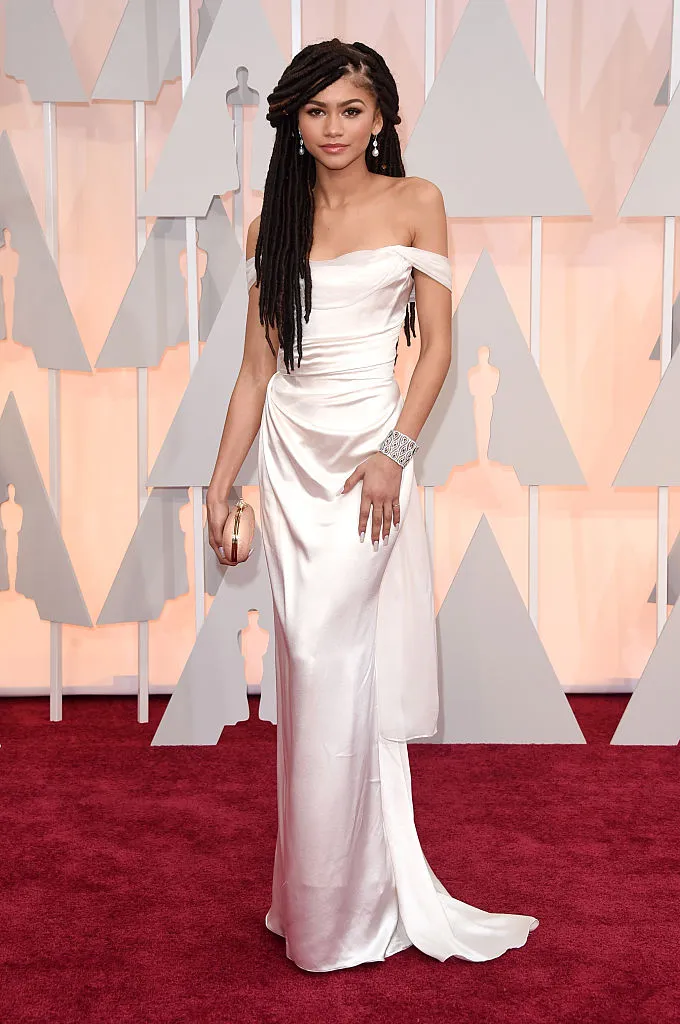
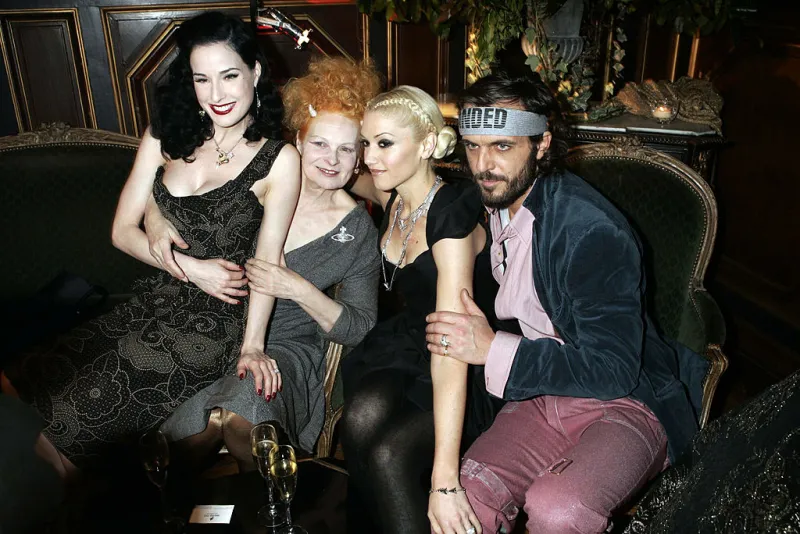
4. The Mini-Crini
Created in 1985, the Mini-Crini is described as the "ultimate paradox". By merging the Victorian crinoline with the 1960s mini skirt, Westwood created a garment that was both playful and a "weaponized" reframing of femininity. Collectors value these for their structural genius and their place in the history of fashion silhouettes.
5. Political Tartans and Tailoring
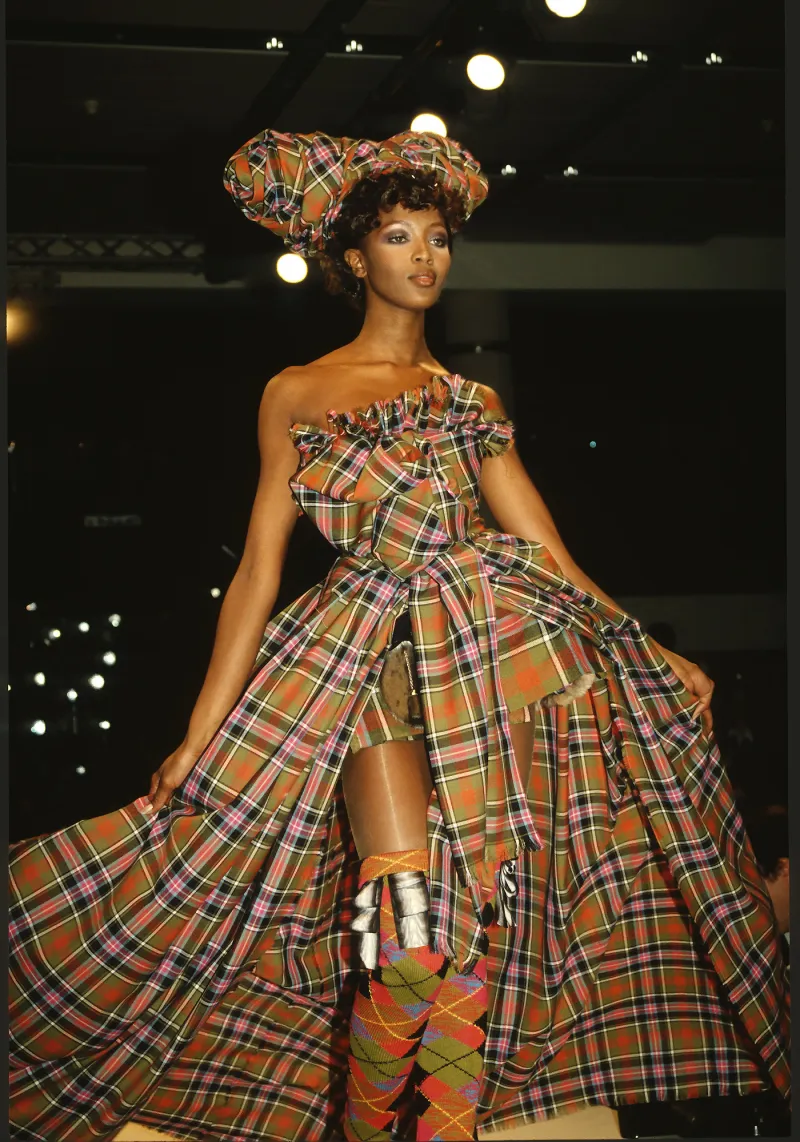
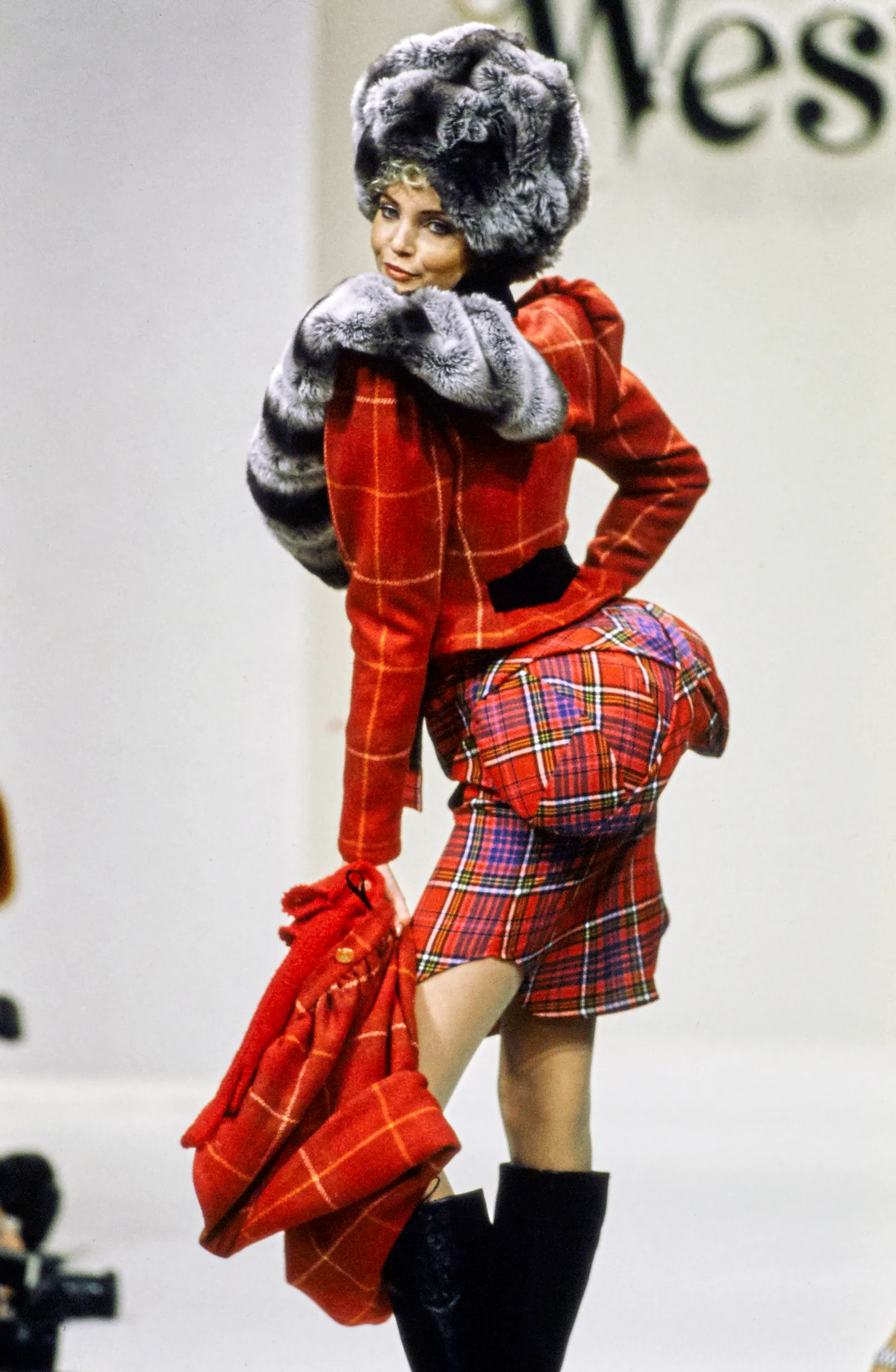
Under her Anglomania line (1993–2016), Westwood took traditional British symbols and turned them into satire.
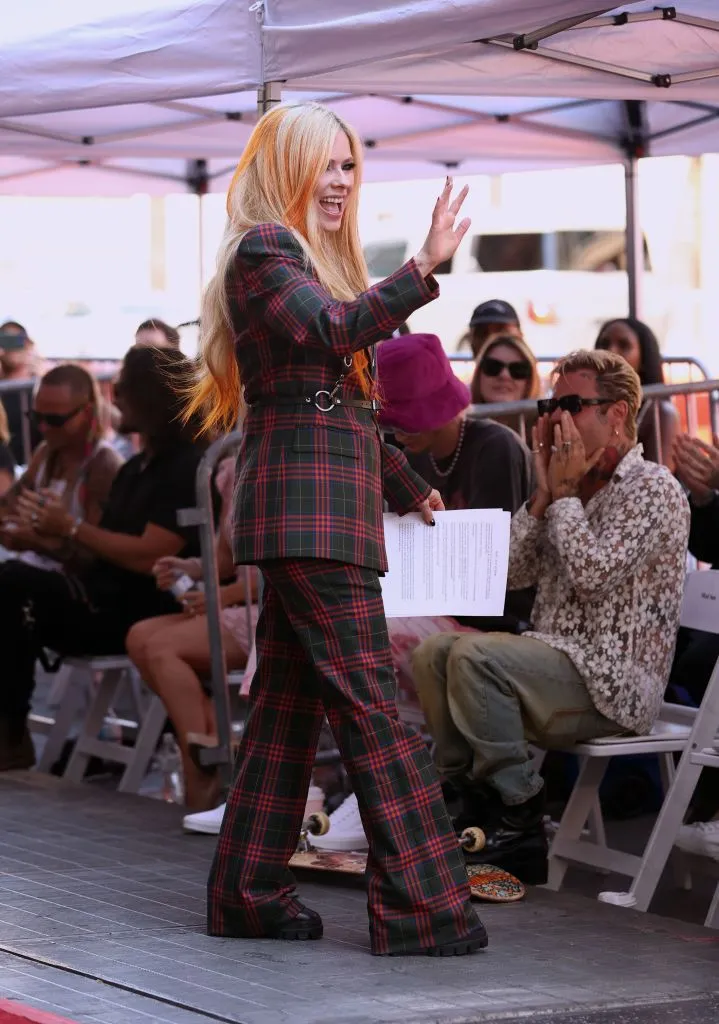
Tartan: In Westwood’s hands, heritage fabric became a political statement.
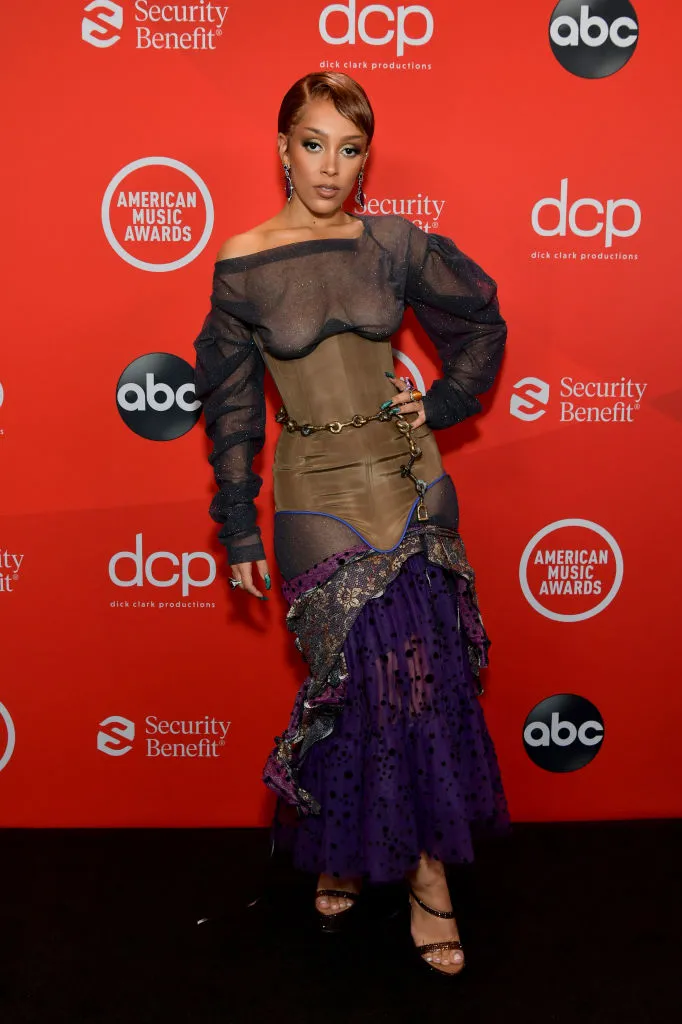
Tailoring: Look for pieces that utilize asymmetry and deconstruction, which are core elements of her "beauty through disruption" philosophy.
Codifying a House: The Three Faces of Westwood
By the 1990s, the insurgent had become an institution, albeit on her own defiant terms. She organized her creative output into distinct labels that captured different facets of her psyche:
Gold Label: The pinnacle of luxury. These were opulent, historically rich gowns and corsetry engineered like architecture, often mocking the very British aristocracy they perfected.
Red Label: A younger, more accessible line that retained her signature rebellion, finding a massive, dedicated following in Japan.
Anglomania: Running from 1993 to 2016, this line was a satirical deep dive into British identity, where tartan became political and the Union Jack was used as both a symbol and a critique.
Moments of Rupture: Fashion as Theatre
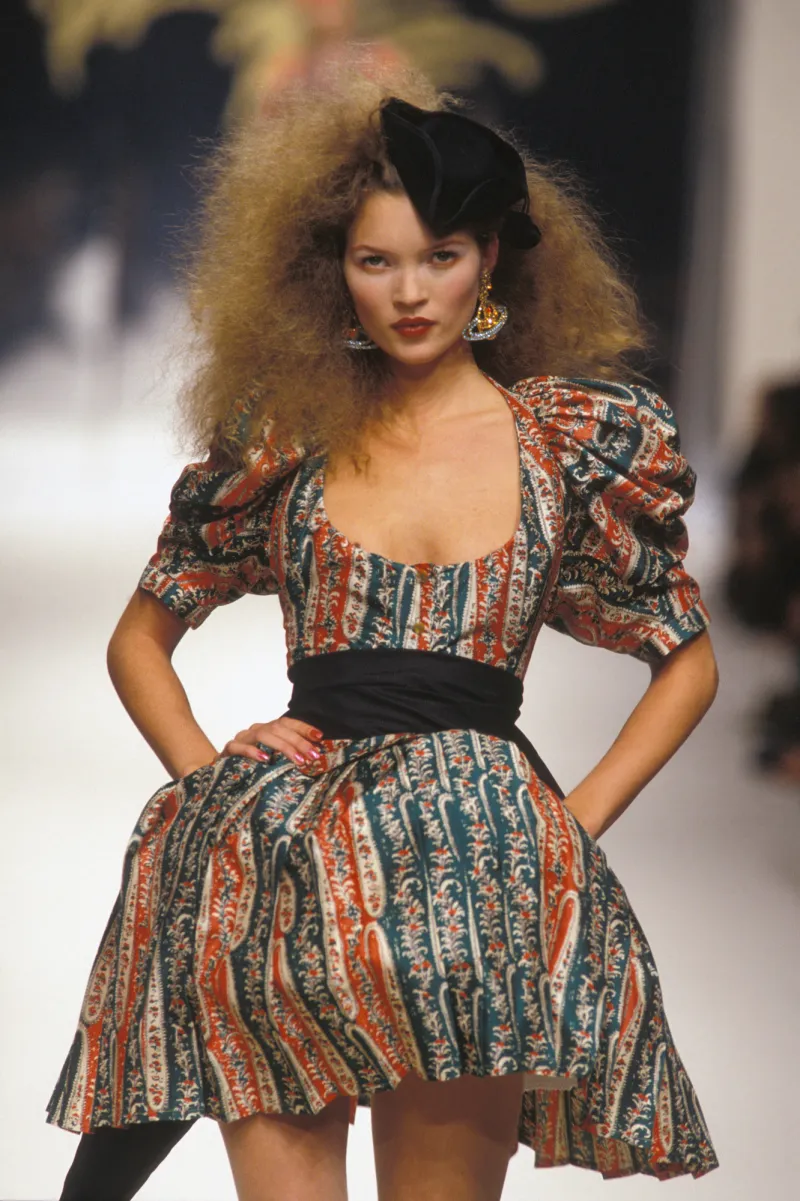
Westwood’s runways were never mere presentations; they were moments of rupture that entered fashion mythology. In 1993, when Naomi Campbell famously fell in impossibly high platform ghillies, Westwood didn't shy away; she embraced the chaos, proving that perfection was never the goal expression was.
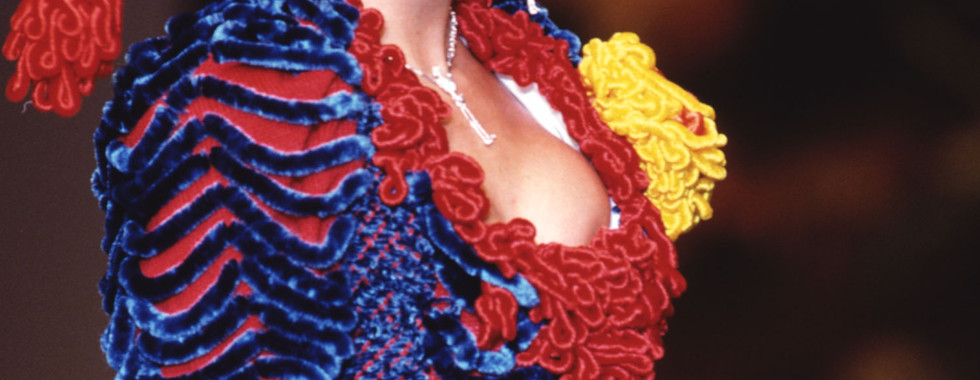
She used the human body as political terrain, exposing breasts and blurring gender lines long before "shock value" was used as a marketing tool. Perhaps her most iconic act of public defiance occurred in 1992 when, upon receiving her OBE from the Queen, she twirled for photographers to reveal she was wearing no underwear a gesture that collapsed the distance between the monarchy and media spectacle.


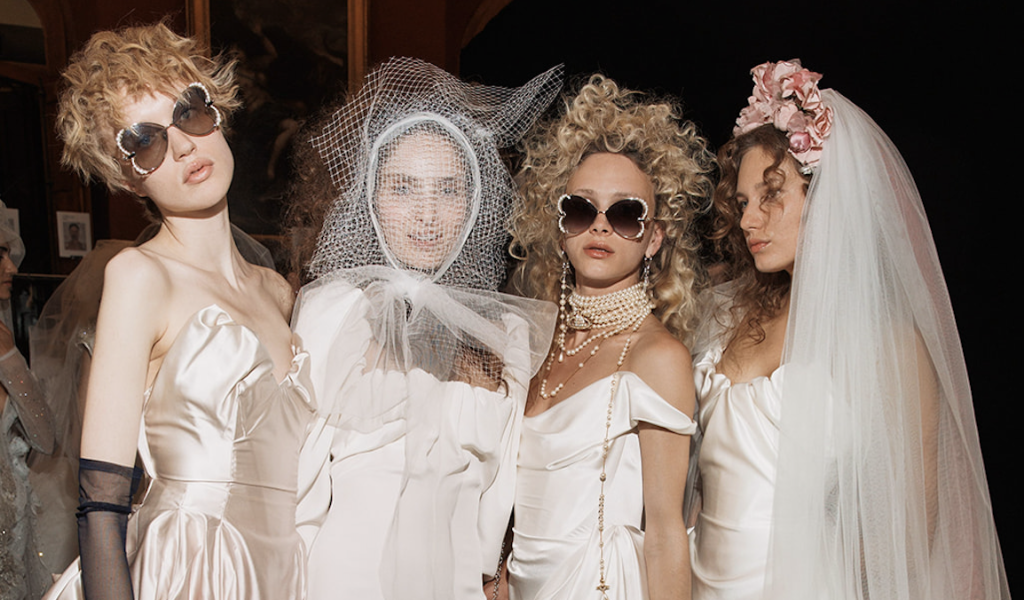

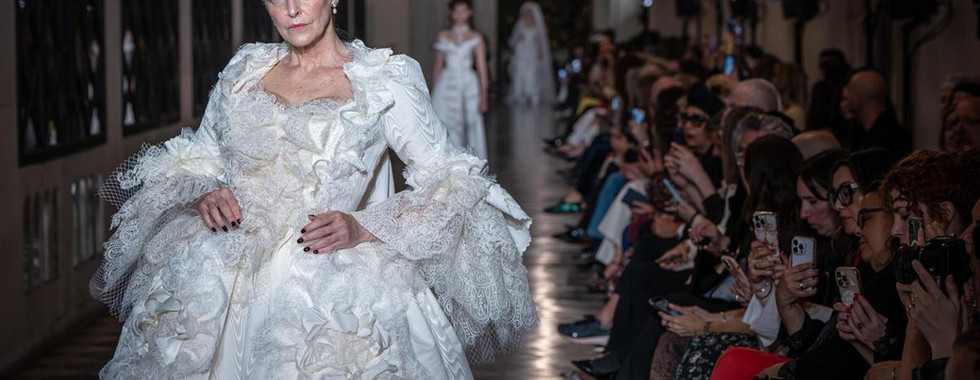
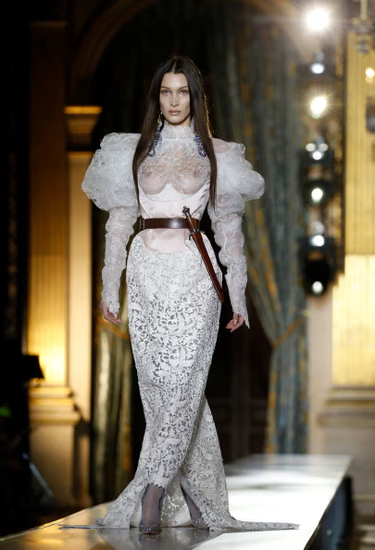


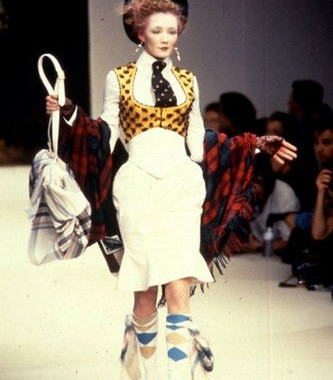
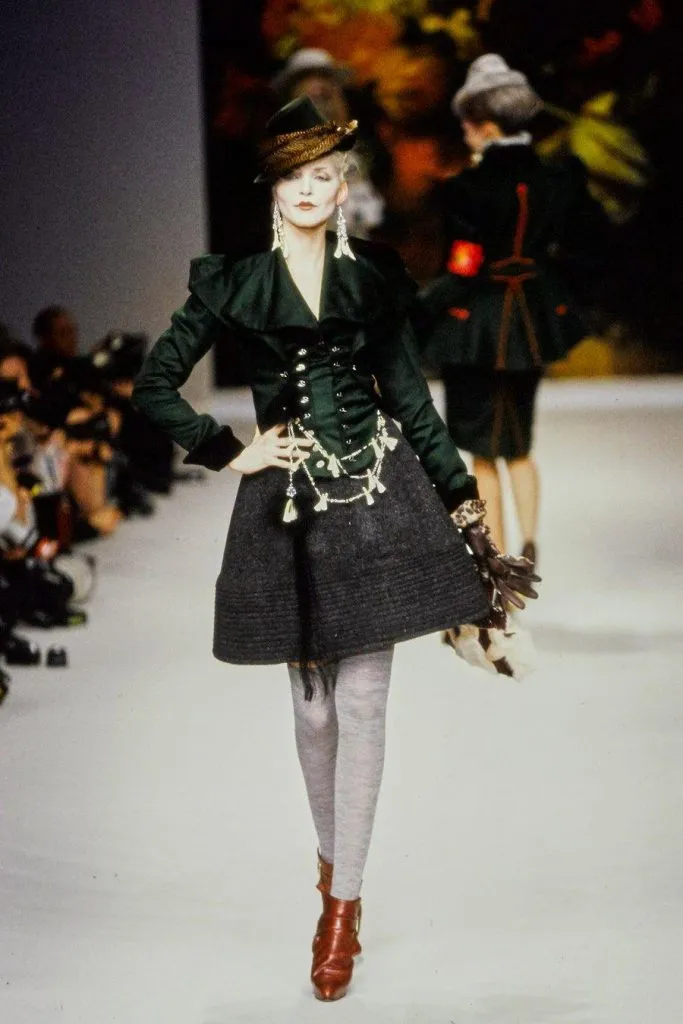
The Visual Vocabulary of Rebellion
To wear Westwood is to speak a specific, coded language. Central to this is The Orb, a logo that merges royal regalia with the rings of Saturn a literal representation of tradition colliding with futurism.
Her other signatures include corsetry, which she reframed as a tool for empowerment rather than restriction, and tartan, which she recontextualized from heritage into a symbol of dissent. Her work was a bridge between the street and the salon, drawing as much from François Boucher’s Rococo paintings as from the anarchy of the London underground.
The Global Cult: From Harajuku to the V&A
The influence of the Nana manga by Ai Yazawa was transformative for Vivienne Westwood, elevating the brand from a luxury label to a state of cultural mythology within Japan. This connection was so profound that it is described not as a conventional collaboration, but as a form of cultural canonization.
The impact can be broken down into several key areas:


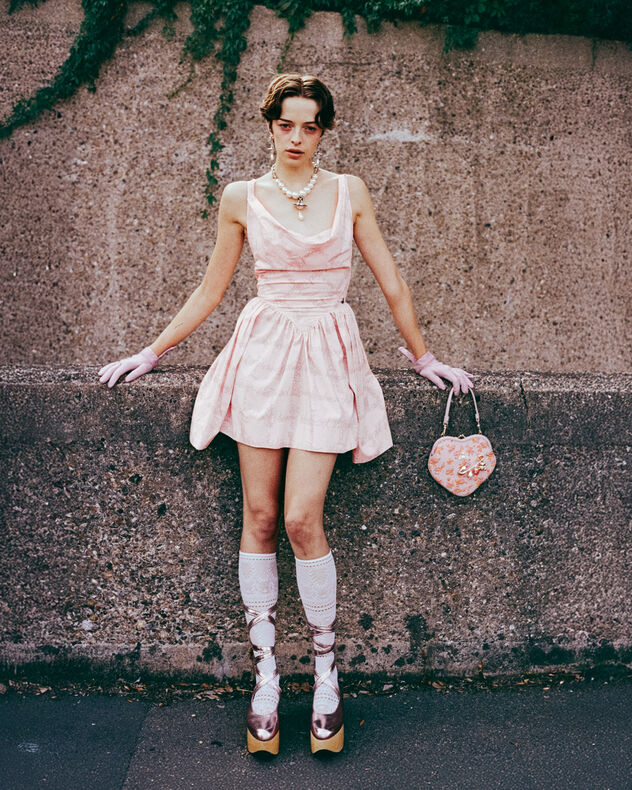
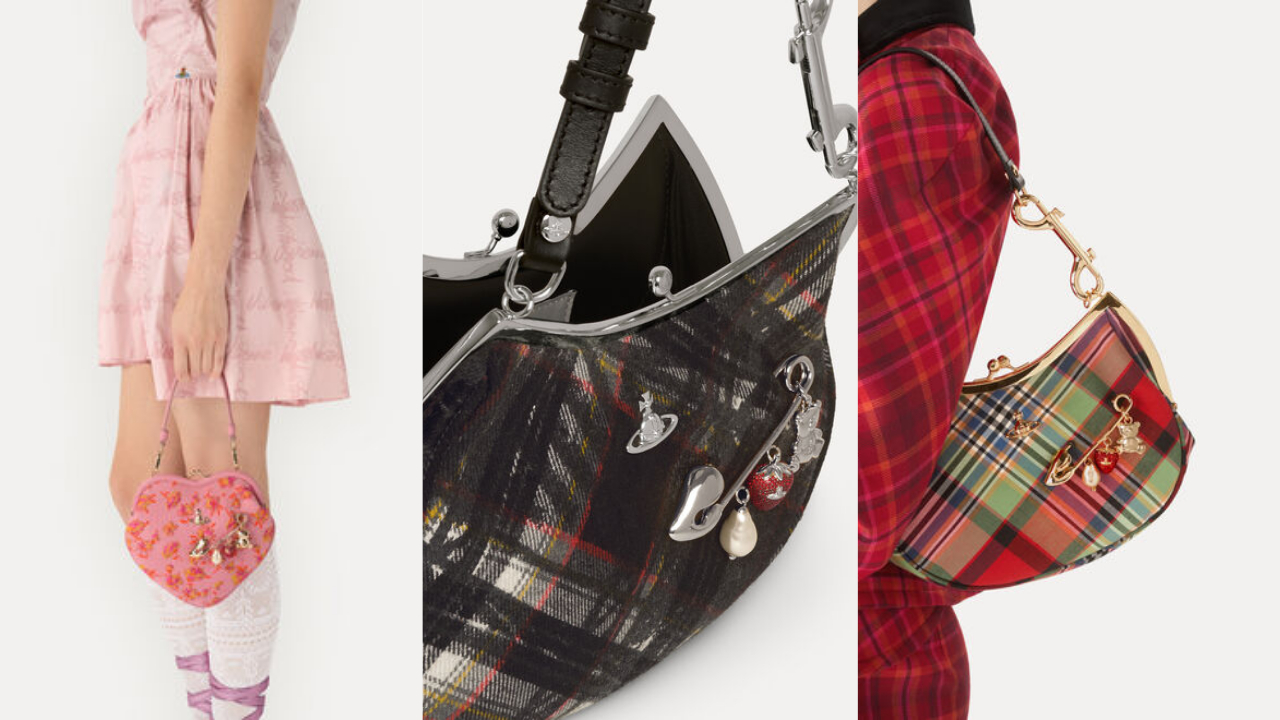
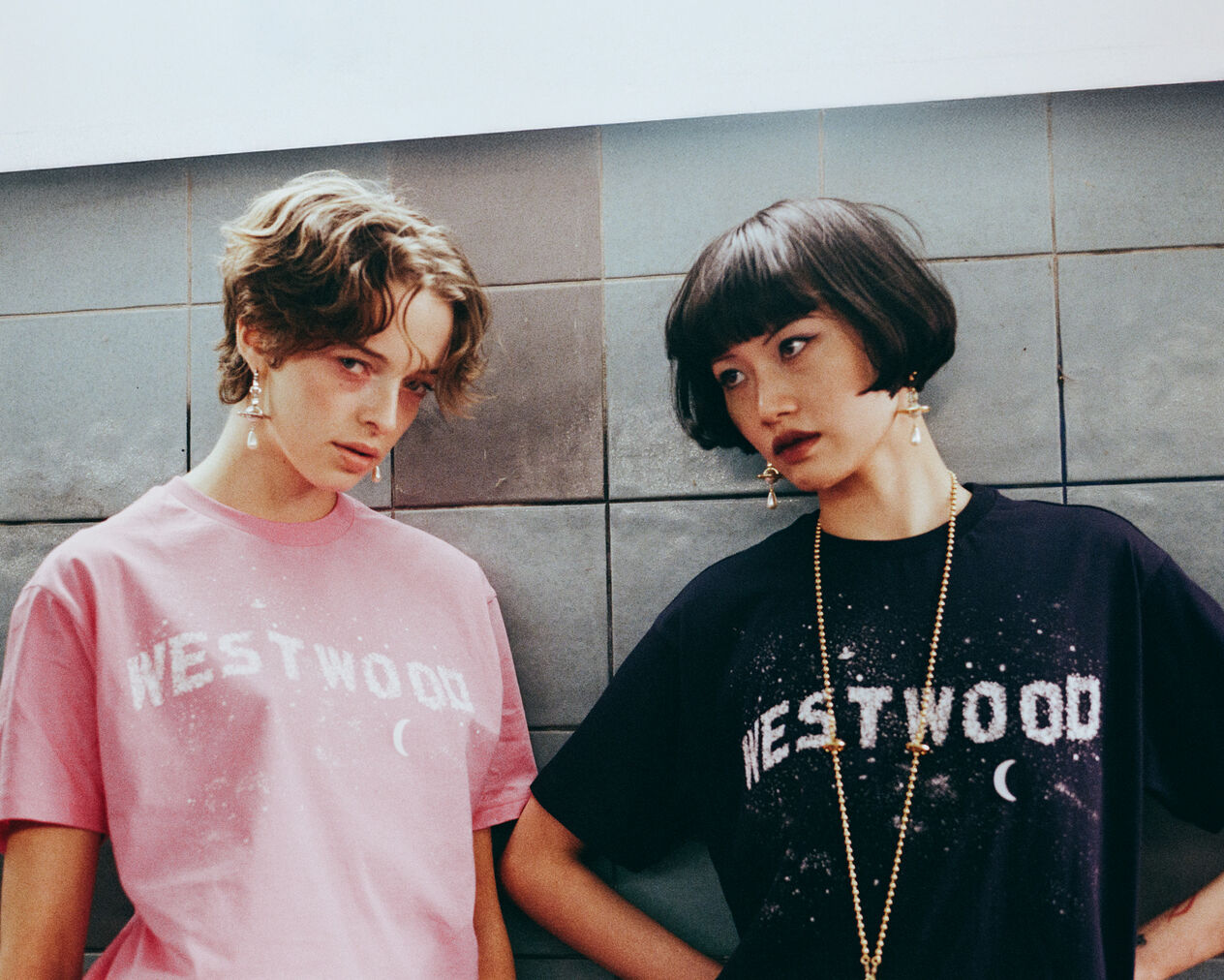
Defining the Archetype: The manga’s protagonist, Nana Osaki, became the "Westwood archetype". Her character was inextricably linked to the brand’s visual identity, frequently seen wearing signature items such as orb necklaces, armor rings, and punk-inflected tailoring.
Symbolism and Identity: Through the lens of the manga, Westwood’s designs became shorthand for a specific persona: one that was rebellious, romantic, wounded, and iconic. The brand transcended its status as clothing to become an essential part of a "narrative identity" for its fans.
Street Fashion and Community: The manga’s popularity had a direct effect on Japanese youth culture, particularly in districts like Harajuku. In these areas, owning vintage Westwood pieces became a badge of belonging, signaling a connection to the subculture the manga depicted.
Commercial Legacy: This deep cultural integration explains why certain lines, such as the Red Label, became particularly beloved and successful in the Japanese market.
Ultimately, Nana ensured that Vivienne Westwood’s work was not just viewed as fashion, but as a vital artifact of identity for an entire generation in Japan.
The Designer as Dissident
Unlike many in the luxury sector, Westwood never separated her craft from her convictions. She was a fierce campaigner for climate revolution, civil liberties (notably supporting Julian Assange), and anti-consumerism. Her most famous mantra "Buy less. Choose well. Make it last" was a direct challenge to the excess of the industry she dominated.
The Vivienne Westwood Orb logo is a masterstroke of symbolic contradiction that encapsulates the brand's core philosophy of "tradition colliding with futurism".
The logo is composed of two primary visual elements:
Royal Regalia: The base of the logo is the Sovereign’s Orb, a piece of British monarchical jewelry that represents established power and historical lineage.
Saturn’s Rings: Surrounding the orb are the rings of the planet Saturn, which inject a sense of the celestial, the outer-space, and the futuristic into the design.
This juxtaposition serves as a visual "code" for the tension found throughout Westwood's career: the dance between punk and aristocracy, and destruction and craftsmanship. By taking a symbol of the establishment and "colliding" it with futuristic imagery, Westwood created a logo that represents her ability to "humiliate, seduce, and ultimately rewrite" the traditional fashion system.
Beyond its design, the Orb has achieved a state of "cultural canonization". It is an "instantly recognizable" icon that functions as a "badge of belonging" for those who identify with Westwood's "vocabulary of rebellion". Its status was further cemented through its appearance in the manga Nana, where Orb necklaces and armor rings became essential artifacts of the characters' "narrative identity". Today, the Orb stands as one of the most enduring symbols of a designer who used fashion to challenge power structures and history.
A Legacy with Teeth
Following her passing in 2022, the house continues under the direction of her partner and creative heir, Andreas Kronthaler, who maintains her subversive spirit while evolving the brand’s romantic language.
Westwood’s blueprint is visible in the work of almost every modern great: the deconstruction of Martin Margiela, the theatricality of John Galliano, the intellectualism of Miuccia Prada, and the political provocation of the next generation. She proved that fashion could be intellectual, political, emotional, and dangerous all at once.
Ultimately, Vivienne Westwood’s greatest legacy is the reminder that fashion is not just about clothes. In an era of clinical algorithms and fleeting virality, her work remains defiantly human and raw. She didn’t design to please; she designed to say something, daring us all to change the way we see the world and to dress accordingly.
All images featured in this article are credited to owners . They are used for editorial and illustrative purposes only, with no commercial intent. All rights remain with their respective owners.


