%20(1).png)
YVES SAINT LAURENT : The Grammar Of Modern Luxury
- 30 abr
- 4 min de lectura
Few houses in fashion history have reshaped the cultural vocabulary of style as profoundly as Yves Saint Laurent (YSL). It is not merely a brand, but a system of visual thinking: androgyny as power, black as statement, tailoring as liberation, sensuality as architecture.
From the revolutionary tuxedo for women to its hyper-modern beauty empire, YSL exists at the intersection of rebellion and refinement, where Parisian couture becomes a global attitude rather than a seasonal proposal.
THE ORIGINS OF A REVOLUTION (1961–1980s)
Founded in 1961 by Yves Saint Laurent and Pierre Bergé, the house emerged from the radical idea that fashion could be both intellectual and democratic.
The early codes were immediate and disruptive:
The Le Smoking tuxedo (1966) redefined femininity through tailoring
Safari jackets and structured coats borrowed from utility and colonial references
Rive Gauche (1966) introduced ready-to-wear as cultural democratization
The runway became a manifesto of modern women’s autonomy
Saint Laurent’s genius lay in contradiction: softness with structure, masculinity reframed as seduction, couture translated into real life.
Muse culture was central—Catherine Deneuve, Betty Catroux, Loulou de la Falaise—women who embodied not fantasy but lived elegance.



RUNWAY AS THEATRE OF MODERNISM
YSL runway history is less seasonal presentation and more cultural archive. Each era reflected the evolution of art, politics, and sexuality.
Key runway signatures included:
Sharp monochrome tailoring in black, white, and camel
Exoticism interpreted through global references (China, Africa, Russia, Spain)
Strong shoulder silhouettes defining 70s and 80s power dressing
Sculptural eveningwear that blurred couture and costume
The runway was never decorative. It was editorial thinking in motion.
ICONIC COLLECTIONS THAT DEFINED AN ERA
1. Le Smoking (1966)
The most radical gesture in modern fashion: a woman in a tuxedo, not as imitation of masculinity, but as ownership of it.
2. Ballets Russes Collection (1976)
Opulent embroidery, folkloric references, and theatrical color—fashion as performance art.
3. Safari / Saharienne (late 1960s–70s)
Utility reimagined as luxury; structured femininity through function.
4. Mondrian Collection (1965)
A dialogue between fashion and modern art—geometry translated into wearable architecture.
5. Power Couture (1980s)
Broad shoulders, metallics, and assertive silhouettes defining the corporate femininity era.
Each collection expanded the idea that clothing is not decoration—it is ideology.
THE MODERN ERA: SLIMANE, FORD, VACCARRELLO
After Yves Saint Laurent’s departure from design leadership, the house evolved through radically different creative languages:
Tom Ford (1999–2004): hyper-seductive minimalism, glossy provocation, nightclub glamour
Hedi Slimane (2012–2016): rock-and-roll tailoring, youth distortion, black austerity
Anthony Vaccarello (2016–present): sculptural sensuality, sharp minimal eroticism, cinematic nightwear codes
Vaccarello’s YSL is perhaps the most distilled: black leather, high slit dresses, architectural shoulders, and desert-sunset runway shows in Marrakesh. It is fashion reduced to pure silhouette and tension.


YSL BEAUTY: THE FACE OF MODERN DESIRE
The beauty arm of the house transformed YSL into a daily ritual rather than an occasional fantasy.
Key pillars of YSL Beauty:
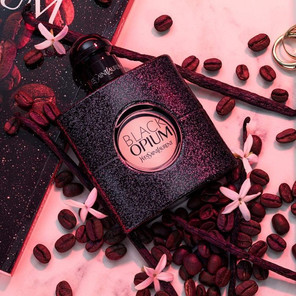
Black Opium: coffee-floral addiction, nightlife bottled
Libre: lavender and orange blossom interpreted as freedom
Touche Éclat: the original “light in a pen,” redefining complexion culture
Rouge Volupté lipsticks: couture for the mouth
YSL Beauty does not sell makeup—it sells mood architecture: luminous skin, smoky seduction, and effortless Parisian confidence.
Fragrance becomes identity; lipstick becomes attitude.



CULTURAL POWER & GLOBAL AMBASSADORS
Modern luxury is no longer defined only by design, but by cultural proximity.
YSL’s ambassador strategy blends cinema, music, and digital influence:





Rosé (BLACKPINK) — global ambassador, embodying ethereal Paris-meets-K-pop elegance
Lila Moss — Gen Z beauty face
Lil Nas X — gender-fluid glamour and pop provocation
Zoë Kravitz — minimalist cool and downtown sensuality
Kaia Gerber — modern American couture lineage
Troye Sivan — soft masculinity and beauty storytelling
Rosé remains particularly significant: she represents the fusion of Korean pop culture and Parisian luxury, making YSL visually fluent in a new global language.
K-POP AND THE NEW LUXURY ORDER
K-pop has become one of the most powerful cultural engines for luxury branding, and YSL is deeply embedded in this ecosystem.
Key K-pop-linked figures associated with YSL include:
Rosé (BLACKPINK) : global house ambassador
Danielle (NewJeans) :YSL Beauty ambassador generation Z alignment
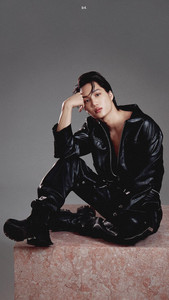
Kai (EXO) : frequent collaborator and campaign presence




K-pop ambassadors function differently from traditional luxury muses:
They operate as multimedia brands themselves
Their influence spans music, runway attendance, and digital aesthetics
They translate Western luxury into Asian youth culture instantly
YSL’s alignment with K-pop is not trend-based, it is structural repositioning of luxury toward global youth identity.
THE YSL CODE: WHAT DEFINES THE HOUSE TODAY
Across six decades, YSL maintains a consistent visual grammar:
Black as emotional intensity
Tailoring as empowerment
Skin as luminous surface
Night as primary aesthetic setting
Androgyny as permanent tension point
Seduction as intellectual language
Whether on runway, red carpet, or Instagram, YSL operates as a cinematic system of desire.
FINAL NOTE: YSL AS A CULTURAL MIRROR
Yves Saint Laurent is no longer just a designer’s name. It is a cultural mirror reflecting how each generation understands freedom, beauty, and identity.
From Parisian couture salons to Seoul pop stages, from smokey-eyed nightlife campaigns to minimalist runway silhouettes under desert skies, YSL continues to define what modern elegance feels like when it is stripped of nostalgia and rebuilt as pure presence.
In that sense, YSL is not fashion history.
It is fashion continuing to happen.
All images featured in this article are credited to owners . They are used for editorial and illustrative purposes only, with no commercial intent. All rights remain with their respective owners.


