%20(1).png)
BAPE: THE STREETWEAR EMPIRE THAT CHANGED FASHION FOREVER
- 2 jun
- 5 min de lectura
From the streets of Harajuku to collaborations with global superstars, luxury maisons and K-pop icons
Few brands have shaped contemporary fashion as profoundly as A Bathing Ape.
Known globally as BAPE, the Japanese label has become far more than a streetwear brand. It is a cultural phenomenon, a collector's obsession and one of the foundations upon which modern hype culture was built. Long before luxury houses embraced sneakers, before collaborations became the industry's favorite marketing strategy and before streetwear conquered Paris Fashion Week, BAPE was already rewriting the rules.
Its camouflage patterns, shark hoodies and ape logo have become instantly recognizable symbols of contemporary fashion. Yet behind the hype lies a fascinating story about Japanese youth culture, creativity, exclusivity and one man's ability to predict the future of fashion decades before the rest of the industry caught up.
THE BOY WHO WOULD CREATE STREETWEAR'S BIGGEST CULT

The story begins with Tomoaki Nagao, better known as Nigo.
Born in 1970 in Maebashi, Japan, Nigo developed an early fascination with American popular culture. Unlike many designers who drew inspiration from traditional fashion, his interests ranged from hip-hop and vintage clothing to toys, sneakers and collectible memorabilia.
After studying at Bunka Fashion College—the same institution attended by Kenzo Takada, Yohji Yamamoto and Junya Watanabe—Nigo immersed himself in Tokyo's rapidly evolving street culture.
The early 1990s were a transformative period for Harajuku. Music, skateboarding, fashion and youth culture were converging into something entirely new.
Nigo was right at the center of it.
His friendship with Hiroshi Fujiwara, often referred to as the godfather of Japanese streetwear, would prove particularly influential. Through Fujiwara, Nigo gained access to a network of creatives, musicians and tastemakers who would help shape the future of Japanese fashion.
THE BIRTH OF A BATHING APE
In 1993, Nigo launched A Bathing Ape.
The name was inspired by the Japanese phrase "a bathing ape in lukewarm water," a humorous reference to modern consumer culture and comfortable excess.
The concept was unlike anything else on the market.
Rather than producing large quantities of clothing, BAPE deliberately manufactured limited numbers of each design. Scarcity became part of the brand's identity.
Customers could not simply buy BAPE.
They had to hunt for it.
This strategy would later become standard practice across the streetwear industry, but in the 1990s it felt revolutionary.
HARAJUKU: THE EPICENTER OF COOL
The original BAPE store quickly became a destination.
Located in Tokyo's Harajuku district, the boutique attracted artists, musicians and fashion enthusiasts looking for something different from mainstream luxury.
Nigo understood that fashion was no longer just about clothing.
It was about belonging.
Owning BAPE signaled membership in a creative community that valued individuality and cultural awareness.
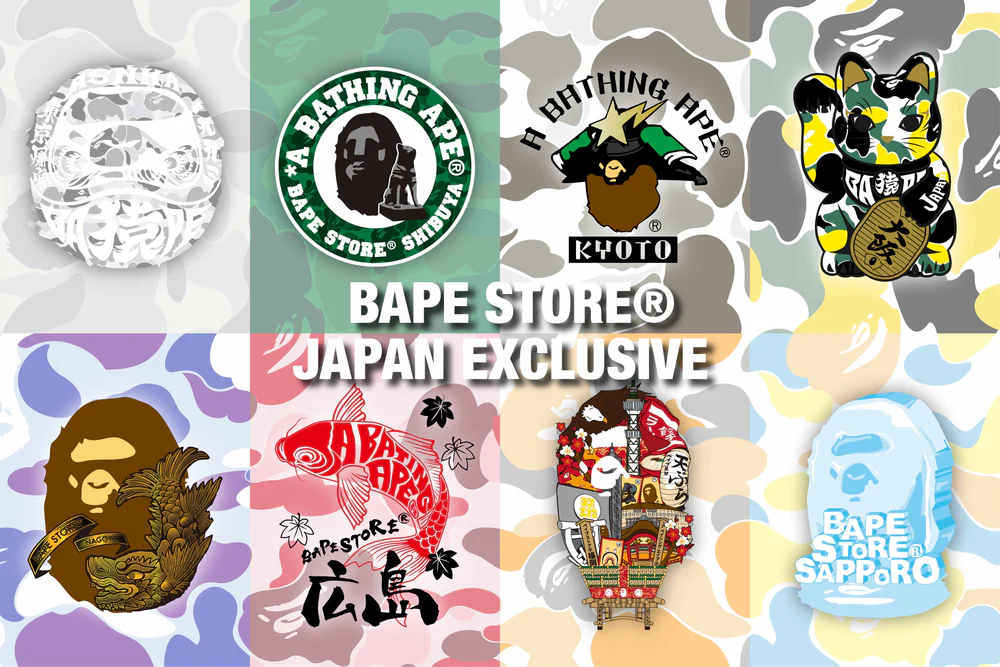


The brand's visual identity played a major role in this appeal. Inspired by the film Planet of the Apes, the ape head logo became one of the most recognizable symbols in fashion.
Then came the camouflage.
THE CAMO THAT CONQUERED THE WORLD
BAPE's camouflage patterns are among the most famous prints in fashion history.
Unlike military-inspired camouflage used by other brands, BAPE transformed the motif into something playful and instantly recognizable.
Hidden ape heads were incorporated into the design, creating a unique visual language that remains iconic decades later.
Pink camo.
Blue camo.
Green camo.
Purple camo.
Collectors would spend years hunting specific releases.
Today, vintage BAPE camouflage pieces continue to command impressive prices on the resale market.
THE SHARK HOODIE PHENOMENON
If one garment defines BAPE, it is undoubtedly the Shark Hoodie.
Introduced during the 2000s, the design featured a full zip extending across the hood, allowing wearers to completely cover their faces.
Decorated with shark teeth and aggressive graphics, the hoodie became one of the most recognizable streetwear pieces ever created.
Celebrities embraced it immediately.
The garment transcended fashion and entered popular culture.
Even people unfamiliar with BAPE could identify the Shark Hoodie on sight.
Very few products achieve that level of recognition.
HOW HIP-HOP MADE BAPE GLOBAL
While BAPE had already established itself in Japan, its global breakthrough came through hip-hop.
Artists such as Pharrell Williams, Kanye West, Lil Wayne, Soulja Boy and later Travis Scott became vocal supporters of the brand.
Pharrell's relationship with Nigo proved especially important.
The two creatives formed a close friendship that extended far beyond clothing. Together they launched Billionaire Boys Club and Ice Cream, brands that helped bridge Japanese streetwear and American hip-hop culture.
By the mid-2000s, BAPE had become a symbol of status within music circles.
Owning BAPE signified cultural knowledge.
It represented access.
It represented cool.
THE COLLABORATION BLUEPRINT THAT CHANGED THE INDUSTRY
Today, collaborations are everywhere.
But BAPE helped create the blueprint.
Long before luxury brands partnered with video games, anime franchises and musicians, BAPE was already doing it.
Over the years, the brand collaborated with:
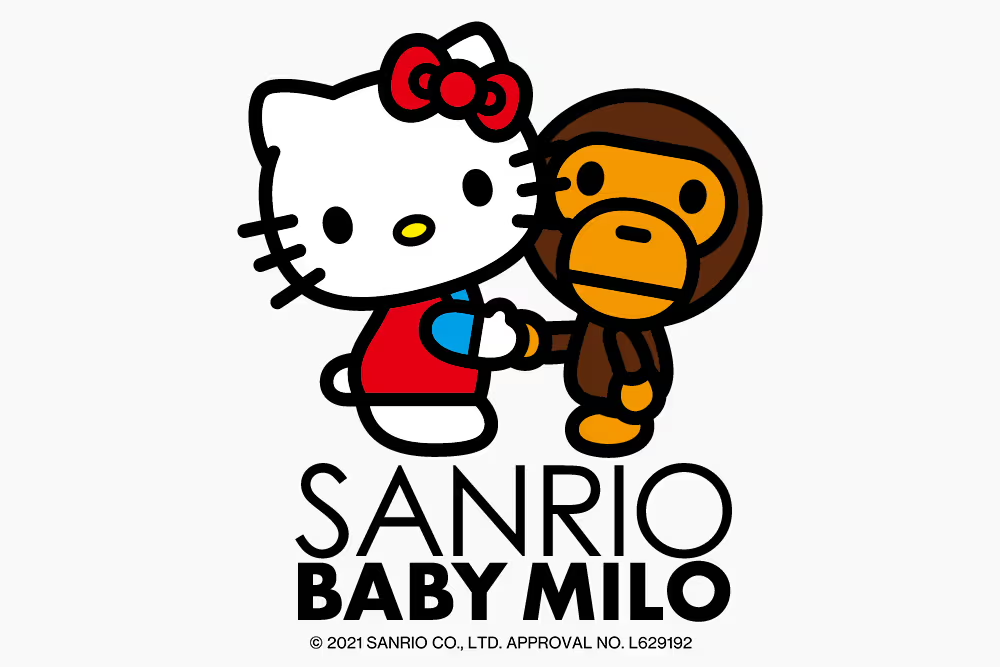
Hello Kitty
One of BAPE's longest-running and most successful partnerships. The fusion of Sanrio's beloved character with BAPE's streetwear DNA created highly collectible pieces that appealed to both fashion enthusiasts and pop culture collectors.
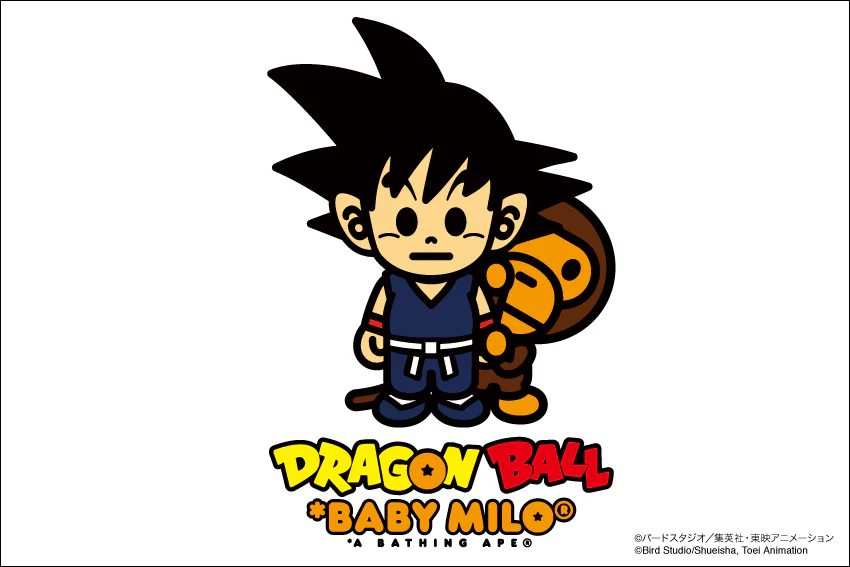
Dragon Ball
Bringing together two pillars of Japanese culture, the collaboration transformed iconic characters into wearable streetwear.
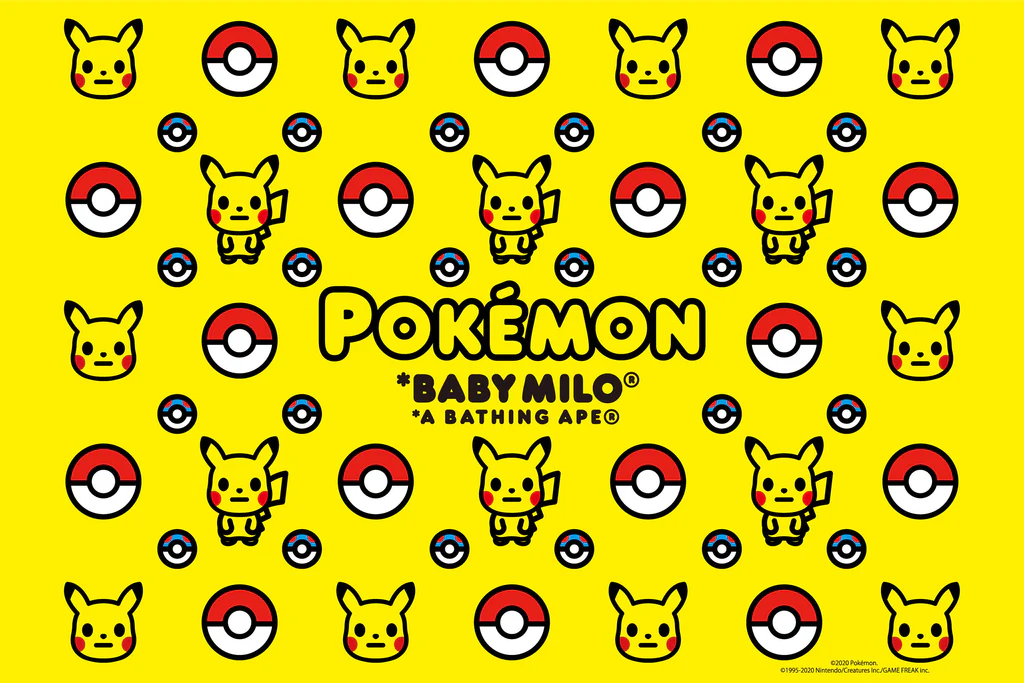
Pokémon
One of the most commercially successful partnerships in BAPE history.
SpongeBob SquarePants
An unexpected but hugely popular crossover.
Marvel
Featuring Spider-Man, Iron Man and other superhero icons.
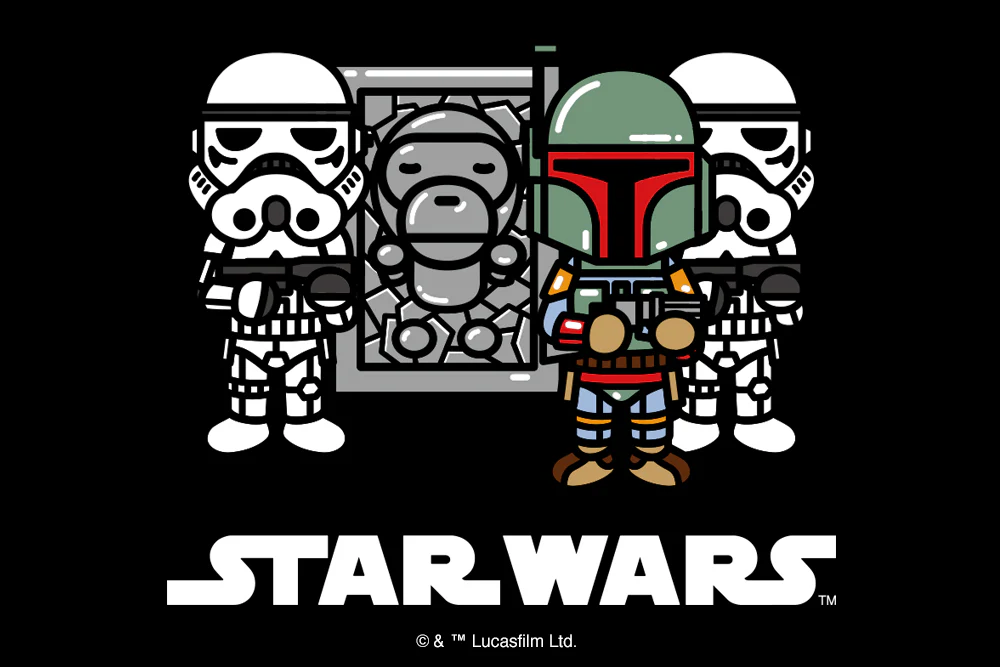
Star Wars
Combining galactic nostalgia with Japanese street fashion.
Coach
One of the most notable luxury collaborations, blending American leather craftsmanship with BAPE's iconic graphics.
Adidas
A partnership that has produced some of the most collectible sneakers in streetwear history.
The significance of these collaborations cannot be overstated.
Many of the partnerships that seem normal today exist because BAPE proved they could work.
BAPE, K-POP AND THE STRAY KIDS CONNECTION
No discussion of modern BAPE would be complete without addressing K-pop.
As Korean music expanded globally, BAPE naturally found a place within the wardrobes of many idols.
Among the most notable examples are members of Stray Kids.
Bang Chan, Felix, Hyunjin and Han have all been photographed wearing BAPE pieces, particularly camouflage jackets, graphic hoodies and sneakers. The brand's visual identity aligns perfectly with the group's energetic and youthful image.
What makes the relationship particularly interesting is that Stray Kids represent the same spirit that originally fueled BAPE's success: individuality, creativity and a willingness to challenge convention.
The influence works both ways.
BAPE gains visibility among millions of global fans, while the idols reinforce their fashion credibility through association with one of streetwear's most respected names.
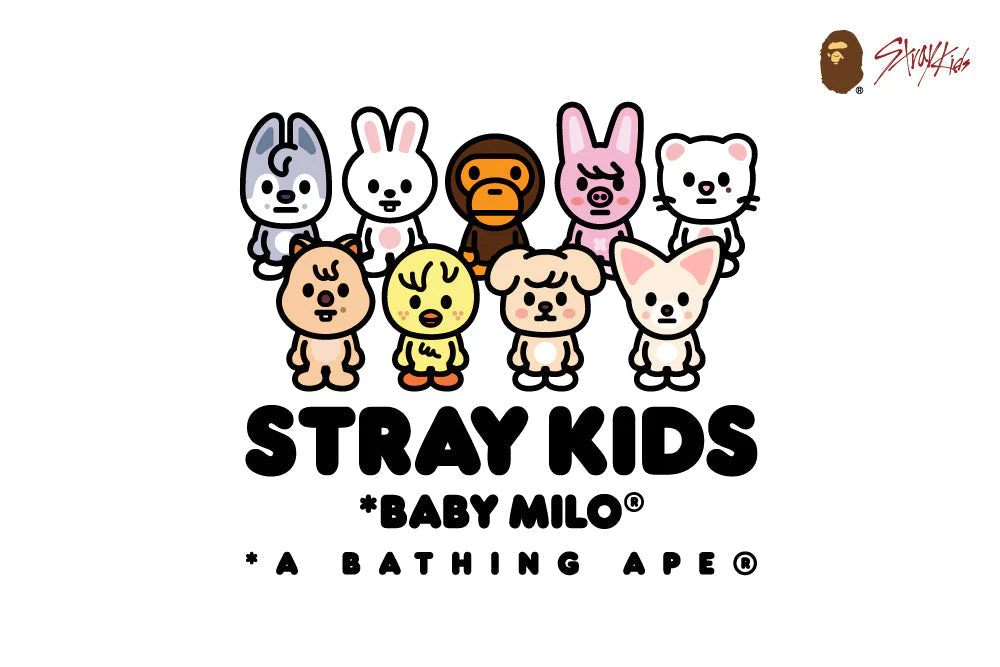
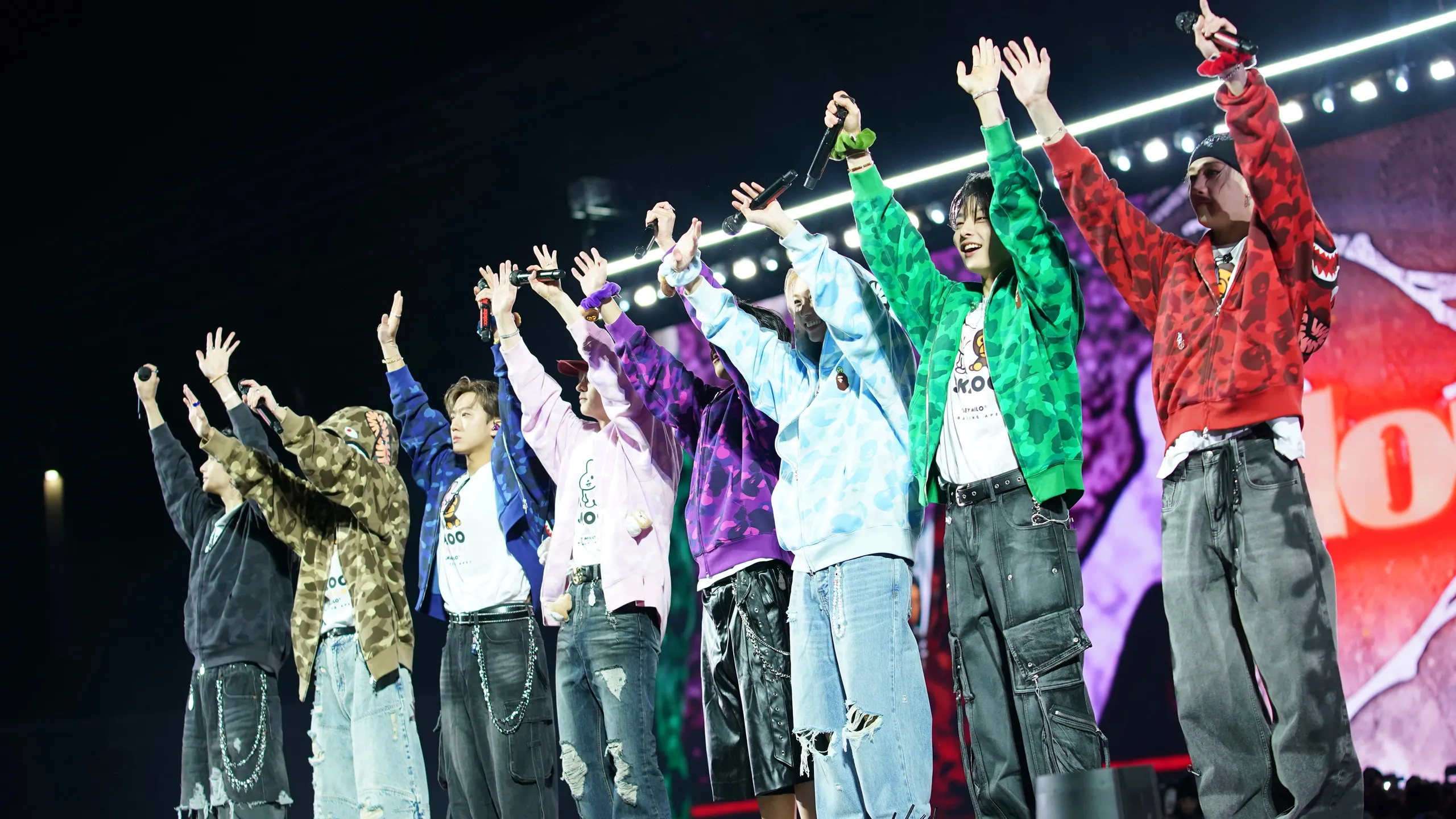
As luxury houses increasingly compete for K-pop ambassadors, BAPE occupies a unique position. It is not trying to become luxury.
It became culturally influential enough that luxury brands began adopting its playbook.
THE NIGO LEGACY
By the early 2010s, Nigo sold his stake in BAPE, marking the end of an era.
Many feared the brand would lose its identity.
Instead, its influence continued to grow.
Meanwhile, Nigo's reputation as one of fashion's most important cultural figures only strengthened. His eventual appointment as artistic director of Kenzo in 2021 felt like a full-circle moment.
The boy who helped create streetwear had become the leader of a historic Parisian maison.
WHY BAPE STILL MATTERS
Fashion trends come and go.
Very few brands fundamentally change the way the industry operates.
BAPE is one of those rare exceptions.
Its approach to scarcity helped define hype culture. Its collaborations established a marketing model now used by everyone from Louis Vuitton to Adidas. Its relationship with music transformed artist-brand partnerships. And its visual identity remains among the most recognizable in fashion history.
More than thirty years after its creation, BAPE continues to influence luxury, streetwear and popular culture alike.
Not bad for a small brand that started in a tiny Harajuku store.
Or for a young designer who simply believed fashion could be fun. 🦍✨


