%20(1).png)
GUCCI : From Florentine Leather Goods to Global Cultural Obsession
- 25 feb
- 2 min de lectura
If Versace is power and spectacle, Gucci is reinvention.
Few luxury houses have experienced as many radical transformations as Gucci and survived each one stronger.
The Beginning: Guccio Gucci (1921)
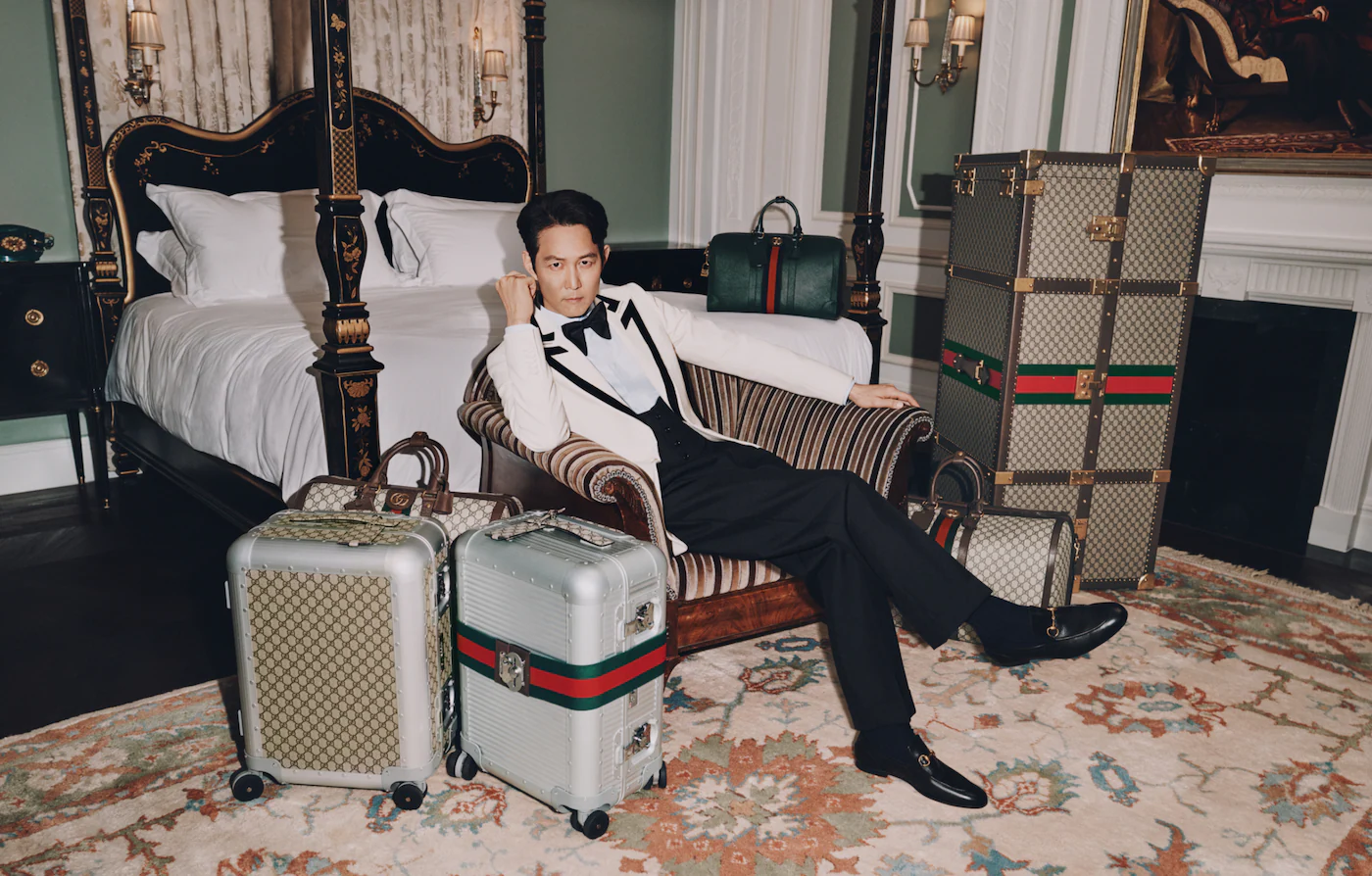
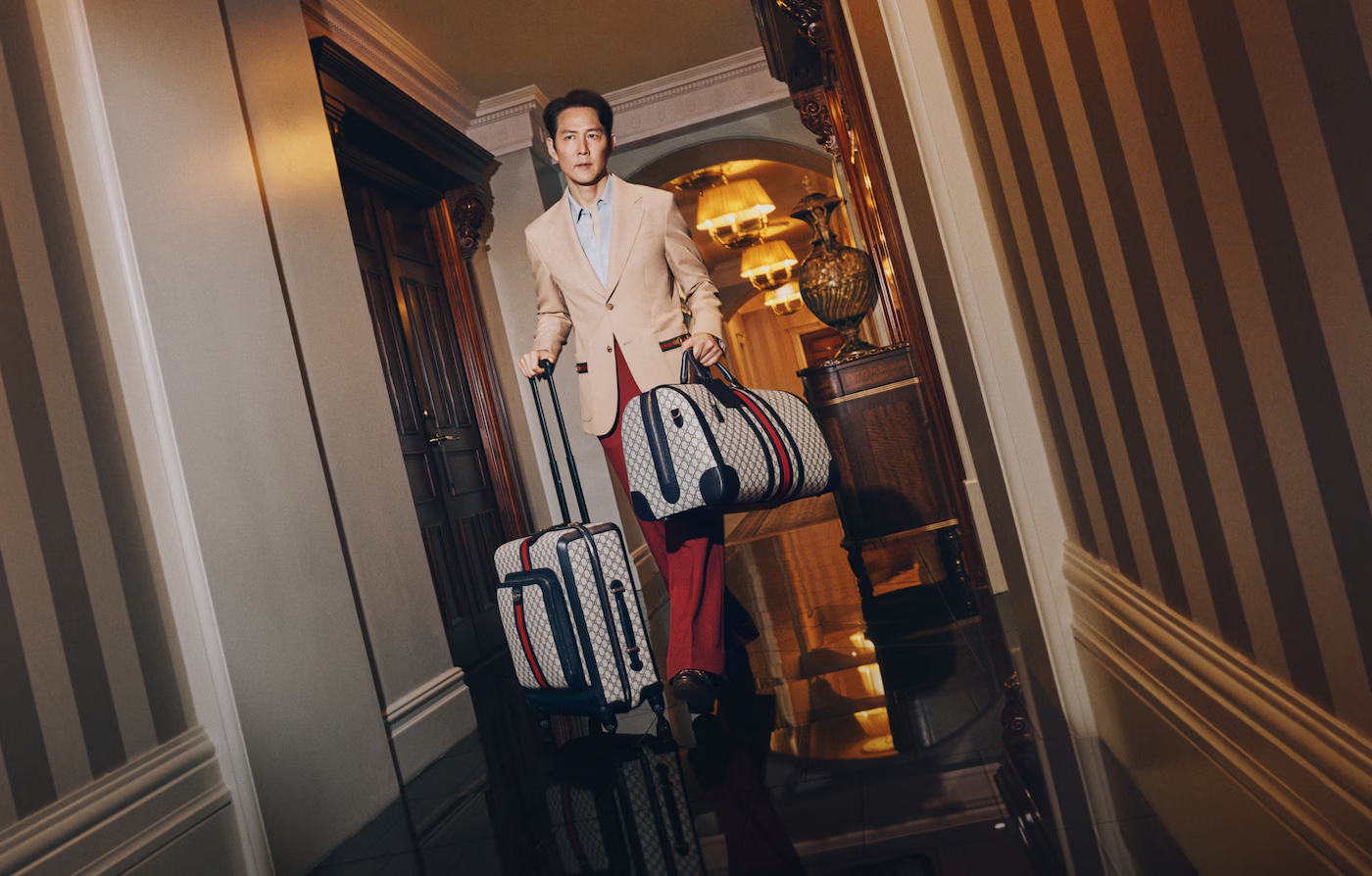
Founded in 1921 in Florence by Guccio Gucci, the brand began as a leather goods and luggage company inspired by British aristocratic style he observed while working at the Savoy Hotel in London.
Gucci introduced:
Fine leather travel goods
Equestrian-inspired motifs
The Horsebit
The Bamboo handle bag (1947)
The bamboo bag emerged during post-war material shortages innovation born from necessity.
Jet Set Glamour & Hollywood (1950s–1970s)
Gucci became synonymous with international jet-set luxury.
Clients included:
Jackie Kennedy
Grace Kelly
Elizabeth Taylor
The Jackie bag became an icon.
By the 1970s, however, over-licensing damaged brand prestige. The house faced decline and internal family disputes.







The Tom Ford Revolution (1994–2004)
Tom Ford’s appointment in 1994 changed everything.
He brought:
Hyper-sexual minimalism
Velvet suits
Low-rise satin
Provocative campaigns
Under Ford, Gucci went from near bankruptcy to one of the hottest brands globally.
Sales skyrocketed.
Gucci became synonymous with 90s power sensuality.
Alessandro Michele & Maximalist Renaissance (2015–2022)
In 2015, Alessandro Michele was appointed Creative Director.
He transformed Gucci into:
Gender-fluid
Eclectic
Vintage-inspired
Culturally layered
He embraced:
Nerd aesthetic
Floral maximalism
Geek chic
Retro silhouettes
Under Michele, Gucci became Gen Z’s luxury darling.
Revenue surged dramatically between 2015 and 2019.
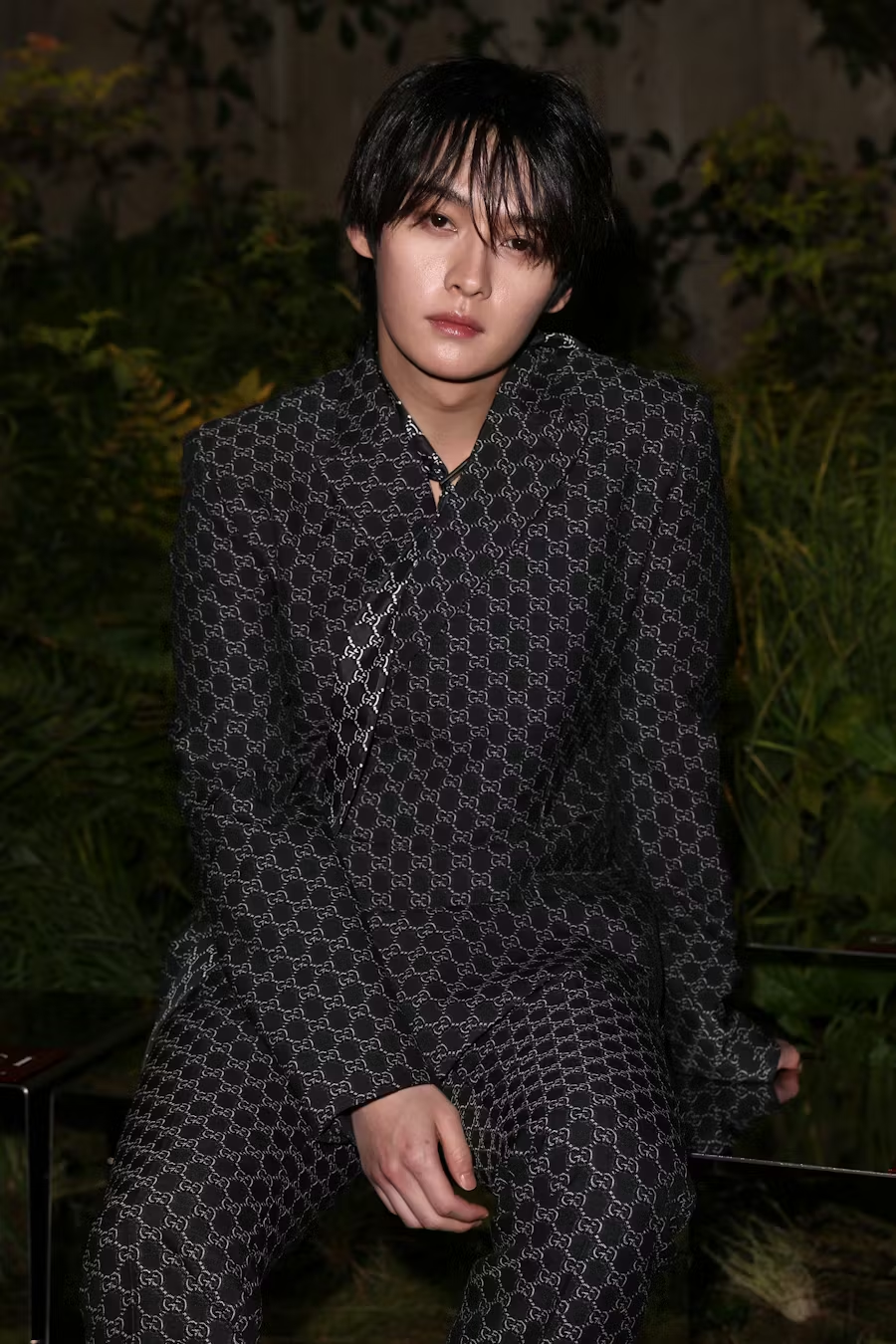
Gucci & Asian Cultural Strategy
Gucci has been particularly strategic in Asia.
Notable ambassadors include:
Lee Know (Stray Kids)
Kai (EXO)
IU
Xiao Zhan
Ni Ni
Lu Han
Gucci understands the economic power of fandom.
K-pop idols and Chinese actors bring:
Immediate digital amplification
Regional purchasing power
Cultural prestige alignment
Gucci is not choosing randomly.It is selecting individuals with strong brand narrative compatibility.
House of Gucci (2021) – The Scandal Behind the Empire
House of Gucci (2021), directed by Ridley Scott, is a biographical crime drama centered on the turbulent history of the Gucci family. Starring Lady Gaga as Patrizia Reggiani and Adam Driver as Maurizio Gucci, the film explores ambition, betrayal, power struggles and ultimately murder within the luxury dynasty.
The story follows Patrizia’s marriage into the Gucci family, the internal conflicts over control of the brand, and the dramatic events that led to Maurizio Gucci’s assassination in 1995 a crime for which Patrizia was later convicted.
Beyond the scandal, the film highlights a pivotal period in Gucci’s history, when family tensions, mismanagement and internal rivalry weakened the brand, setting the stage for the corporate and creative reinvention that would later revive the house under Tom Ford.
Timeline – Key Moments
1921 – Founded in Florence
1947 – Bamboo bag introduced
1953 – First U.S. store opens
1994 – Tom Ford appointed
2015 – Alessandro Michele appointed
2023–2024 – Strategic brand reset phase
Gucci’s Strongest Era
Two peak eras:
Tom Ford era (90s sensual dominance)
Alessandro Michele era (cultural maximalist explosion)
Each saved the brand in different ways.
Why Gucci Remains a Powerhouse
Gucci succeeds because:
It reinvents aggressively
It embraces youth culture
It merges heritage with experimentation
It invests heavily in Asian markets
It understands digital-native audiences
Gucci is not static heritage.
It is adaptive heritage.


