%20(1).png)
PUCCI: The Eternal Summer of Fashion
- 25 abr
- 4 min de lectura
To speak about Pucci is not simply to speak about fashion. It is to speak about movement, light, color, travel, and a very specific idea of freedom, the kind that exists somewhere between Capri at sunset and a silk dress catching the wind.
From its origins in post-war Italy to its current revival under a new creative vision, Pucci remains one of the most distinctive voices in fashion. Not because it follows trends, but because it has never needed to.
The Founder: Emilio Pucci and the Birth of Effortless Luxury
At the center of it all is Emilio Pucci, an aristocrat, athlete, and unlikely revolutionary.
Pucci did not begin in a Parisian atelier, but on the snow. His first designs were created for ski wear, where he reimagined clothing not as rigid structure, but as something fluid, functional, and liberating.
By the late 1940s, Pucci had opened his first boutique in Capri, a location that would shape the brand’s entire identity. His clientele quickly became the emerging international jet set. The aesthetic? Light, vibrant, and completely new.
He didn’t just design clothes, he designed a way of living.
The Prince of Prints
Pucci’s name is inseparable from one defining element: the print.
Swirling, geometric, hypnotic, his patterns became instantly recognizable. Often rendered in unexpected color combinations (turquoise with fuchsia, lime with violet) they captured the spirit of a world opening up again after the austerity of war.
This wasn’t decoration. It was emotion.
Resortwear Before It Existed
Long before “resortwear” became a category, Pucci invented it.
His world was not the city ,it was movement:
Capri
Saint-Tropez
Palm Beach
Marrakech
His garments reflected that:
Silk jerseys that moved with the body
Capri pants that redefined casual elegance
Kaftans, scarves, and fluid dresses designed for travel
Pucci’s innovation lay in combining luxury with comfort, something that feels obvious today, but was revolutionary at the time.
From Couture to Cultural Symbol
By the 1960s and 70s, Pucci had become more than a brand, it was a visual language.
Its prints came to represent:
Jet-set glamour
Mediterranean hedonism
Freedom of movement
Unlike more rigid couture houses, Pucci embraced spontaneity. His designs were meant to be worn, lived in, traveled with. They reflected a world becoming faster, freer, and more connected.
After Emilio: Reinvention and Continuity
When Emilio Pucci passed away in 1992, the question was inevitable: could such a singular vision survive?
The answer came through evolution.
Designers like Christian Lacroix , Matthew Williamson, and Peter Dundas each brought their own interpretation, whether through theatricality, color-driven femininity, or heightened sensuality.
Yet through every transition, one element remained constant: the print.
The Camille Miceli Era: A New Kind of Luxury
Today, Pucci is under the direction of Camille Miceli, and the shift is both subtle and radical.
Miceli understands that Pucci is not just a brand—it is a feeling.
Her approach moves away from rigid seasonal structures, embracing:
Monthly drops
See-now-buy-now accessibility
Direct engagement with a global audience
But more importantly, she has reactivated Pucci’s original essence: joy.
Her collections feel fluid, playful, and immediate, less about nostalgia, more about living in the present.
The Faces of Pucci: From Jet-Set Icons to a New Global Generation
Unlike many contemporary luxury houses, Emilio Pucci has never relied heavily on traditional ambassadors.
Its identity has always been shaped by those who naturally inhabit its world.
In its early years, that meant icons like Marilyn Monroe and Jackie Kennedy, women who didn’t represent Pucci, but lived it.


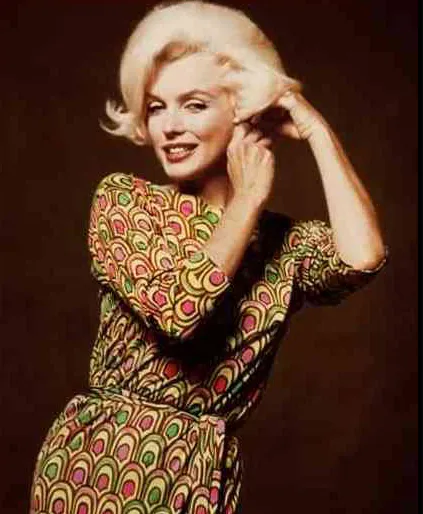


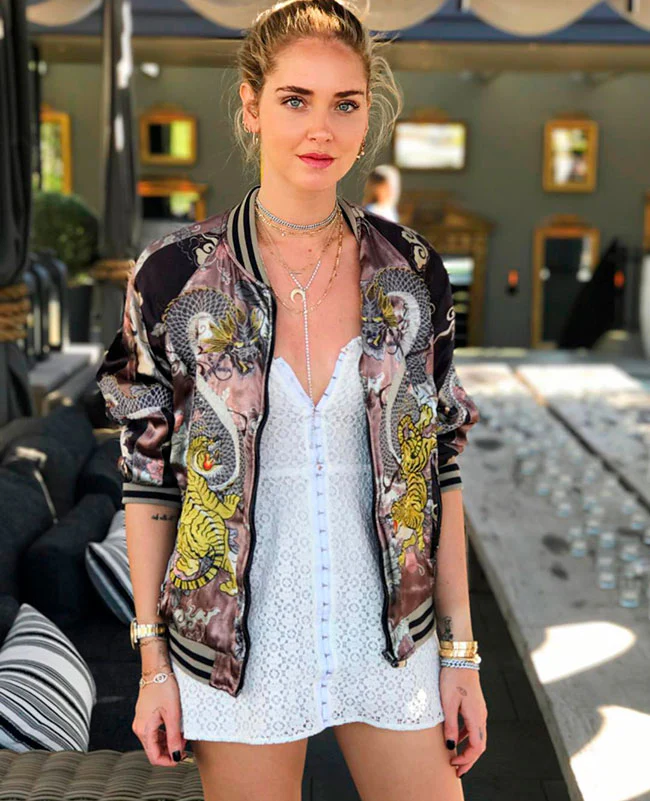
Today, that philosophy continues in a more contemporary form.
Figures like Dua Lipa embody the brand’s modern energy, bold, expressive, and unapologetically visible. Meanwhile, digital personalities such as Chiara Ferragni reflect how Pucci exists within a lifestyle-driven, image-based culture.
The Asian Connection
Pucci’s next evolution is increasingly global, and Asia plays a key role.
While not yet heavily tied to official K-pop ambassadors, the brand’s visual identity aligns naturally with Asian fashion and entertainment industries:
Strong, graphic visuals
Movement-driven silhouettes
High-impact styling
In particular, the aesthetic resonates with K-pop’s emphasis on performance, identity, and visual storytelling.
This opens the door to a future where Pucci could connect more directly with Asian talent, especially idols and actors who embody both global reach and strong personal style.
For a brand built on travel and cultural exchange, this expansion feels inevitable.
Runways as Experience
Pucci does not follow the traditional runway formula, it creates environments.
Recent presentations, often returning to Capri, blur the line between show and experience. They feel intimate, immersive, and aligned with the brand’s DNA.
Because Pucci was never meant to exist only on a runway. It was meant to exist in life.
Retail Spaces: A Vacation State of Mind
Walking into a Pucci boutique feels less like entering a store and more like stepping into a destination.
The spaces reflect the brand’s essence:
Light-filled interiors
Soft, Mediterranean tones
Open, fluid layouts
Everything is designed to evoke ease, movement, and escape.
Shopping becomes part of the narrative.
The Pucci Woman Today
She is not defined by age or geography, is attitude:
Confident
Playful
Expressive
In a fashion landscape dominated by restraint, Pucci celebrates visibility.
And that celebration feels radical again.
Final Word: Fashion as Escape
Emilio Pucci has never been about dressing reality.
It has always been about escaping it.
From the slopes of Switzerland to the shores of Capri, from silk scarves to modern drops, Pucci exists in its own universe, one defined not by rules, but by feeling.
And in that world, summer never ends.
All images featured in this article are credited to owners . They are used for editorial and illustrative purposes only, with no commercial intent. All rights remain with their respective owners.


