%20(1).png)
MARC JACOBS: Turning Grunge, Chaos and Pop Culture Into Luxury
- 19 may
- 6 min de lectura
From being fired at Perry Ellis to redefining Louis Vuitton, surviving scandals, creating the Stam bag, dressing Sofia Coppola, inspiring Gen Z again , and why LVMH eventually sold the brand
Fashion history rarely remembers the safe designers.
It remembers the ones who disrupted the system.
And few designers disrupted luxury fashion more consistently than Marc Jacobs.
For over three decades, Jacobs has existed at the strange intersection between:
underground cool
American sportswear
luxury branding
irony
nostalgia
commercial genius
He made grunge luxurious.He made teenage awkwardness fashionable.He turned handbags into status symbols. He transformed Louis Vuitton into a global pop-cultural powerhouse.And long before social media existed, he understood something modern fashion still depends on:
people want personality, not perfection.
But in recent years, the industry has changed dramatically.
THE BEGINNING: NEW YORK, CLUB CULTURE AND PARSONS
Marc Jacobs was born in New York City in 1963.
Unlike many European couturiers rooted in aristocratic heritage, Jacobs emerged directly from downtown Manhattan culture. After the death of his father and a difficult childhood, fashion became both: creative escape and emotional structure.
He eventually attended Parsons School of Design, where he quickly became recognized as an exceptional talent.
While still a student, Jacobs won:
the Perry Ellis Gold Thimble Award
Design Student of the Year honors
At the time, American fashion was dominated by:
polished minimalism
preppy luxury
power dressing
Jacobs instead gravitated toward vintage clothing, thrift culture and anti-fashion aesthetics
That tension would later define his career entirely.
THE PERRY ELLIS GRUNGE COLLECTION THAT GOT HIM FIRED
Fashion mythology changed forever in 1992.
Jacobs, then creative director of Perry Ellis, presented the now-legendary:
Spring/Summer 1993 Grunge Collection.
Inspired by:
Seattle music culture
thrift-store layering
Kurt Cobain-era youth style
oversized silhouettes
the collection featured:
plaid flannels
beanies
floral slips
combat boots
silk dresses styled “incorrectly”
At the time, luxury fashion considered grunge:
sloppy
anti-luxury
commercially dangerous
Critics were divided. Some called it genius.Others called it disrespectful.
The industry reaction became so severe that Jacobs was fired from Perry Ellis shortly afterward.
Ironically:today the collection is considered one of the most influential runway presentations in fashion history.
Jacobs understood something before anyone else: street culture would eventually dominate luxury fashion.
THE BIRTH OF THE MARC JACOBS BRAND
After Perry Ellis, Jacobs launched his own label with business partner Robert Duffy.
The Marc Jacobs universe quickly became recognizable for combining:
downtown cool
irony
femininity
nostalgia
luxury with imperfection
Unlike European houses obsessed with polish, Jacobs celebrated awkwardness, individuality, messiness, youth culture.
His collections frequently referenced club kids, cinema, school uniforms, 1970s glamour, punk, Americana
And crucially: they felt emotionally real.
LOUIS VUITTON: THE APPOINTMENT THAT CHANGED EVERYTHING
In 1997, LVMH appointed Marc Jacobs as the first-ever creative director of ready-to-wear at Louis Vuitton.
At the time, Vuitton was primarily known for luggage, leather goods and heritage travel trunks
It was respected ,but not yet culturally dominant in fashion.
Jacobs transformed the house completely.
He introduced:
ready-to-wear collections
celebrity culture
artist collaborations
fashion spectacle
And most importantly:he made Louis Vuitton desirable to younger audiences.
THE STEPHEN SPROUSE GRAFFITI BAGS
One of Jacobs’ earliest Vuitton revolutions came in 2001 through his collaboration with artist Stephen Sprouse.
The collection covered Louis Vuitton monogram bags in fluorescent graffiti lettering.
Luxury customers were shocked.
At the time:altering monograms felt almost sacrilegious.
But the bags became massive successes and permanently changed luxury collaborations forever.
Modern artist-fashion collaborations owe enormous debt to Jacobs’ Vuitton era.
TAKASHI MURAKAMI: THE COLLECTION THAT DEFINED 2000s LUXURY
In 2003, Jacobs collaborated with Japanese artist Takashi Murakami.
The result:the multicolored Louis Vuitton monogram bags that became one of the defining status symbols of the 2000s.
Suddenly Vuitton became:
playful
pop-art driven
celebrity obsessed
youth-oriented
The bags appeared everywhere:
Paris Hilton
Jessica Simpson
early paparazzi culture
music videos
tabloids
The collaboration helped establish luxury fashion as pop culture.
THE RUNWAYS THAT DEFINED THE 2000s
Marc Jacobs’ Vuitton shows became legendary because they felt cinematic.
Unlike minimalist runway presentations, Jacobs understood:fashion must entertain.
THE ELEVATOR SHOW Louis Vuitton Fall/Winter 2011/2012
Models emerged from hotel elevators wearing:
lingerie-inspired tailoring
bellboy references
fetish-inspired accessories
The presentation blurred:
travel fantasy
sexuality
luxury performance
Exactly the kind of theatrical commercialism Jacobs excelled at.
SPRING/SUMMER 2012: THE ALL-WHITE CAROUSEL SHOW
One of the most visually iconic Vuitton runways ever.
The set featured:
a massive white carousel
models descending slowly in embroidered white dresses
delicate broderie anglaise fabrics
feathered headpieces
The collection balanced:
innocence
fetish references
Parisian luxury fantasy
in a way only Jacobs could execute.
FALL/WINTER 2013: THE FINAL VUITTON SHOW
Jacobs’ final collection for Louis Vuitton became deeply emotional.
The runway recreated iconic set pieces from his previous shows:
escalators
elevators
carousels
hotel corridors
all painted black.
It felt like:
a funeral for an era
fashion nostalgia in real time
At the finale, Jacobs appeared wearing a simple black sweater.
The industry understood immediately:fashion was losing one of its greatest showmen.
THE IT BAGS THAT DEFINED AN ENTIRE GENERATION
Marc Jacobs understood accessories better than almost anyone in 2000s fashion.
THE STAM BAG
Named after model Jessica Stam.
Released in 2005, the quilted leather bag with oversized chain hardware became one of the defining “It Bags” of the era.
Celebrities carrying it included:
Lindsay Lohan
Nicole Richie
the Olsen twins
Today, it remains one of the most nostalgic Y2K luxury bags.

THE SNAPSHOT BAG
Years later, Jacobs reinvented commercial success through the Snapshot camera bag.
Compact, logo-heavy and social-media friendly, it became hugely popular among:
Gen Z consumers
influencers
K-pop idols
fashion TikTok creators
The bag proved Jacobs still understood visual culture exceptionally well.






HEAVEN BY MARC JACOBS: THE GEN Z REBIRTH
In 2020, Marc Jacobs launched:
Heaven by Marc Jacobs.
The line targeted younger consumers directly through:
internet aesthetics
Y2K nostalgia
alternative youth culture
queer visual identity
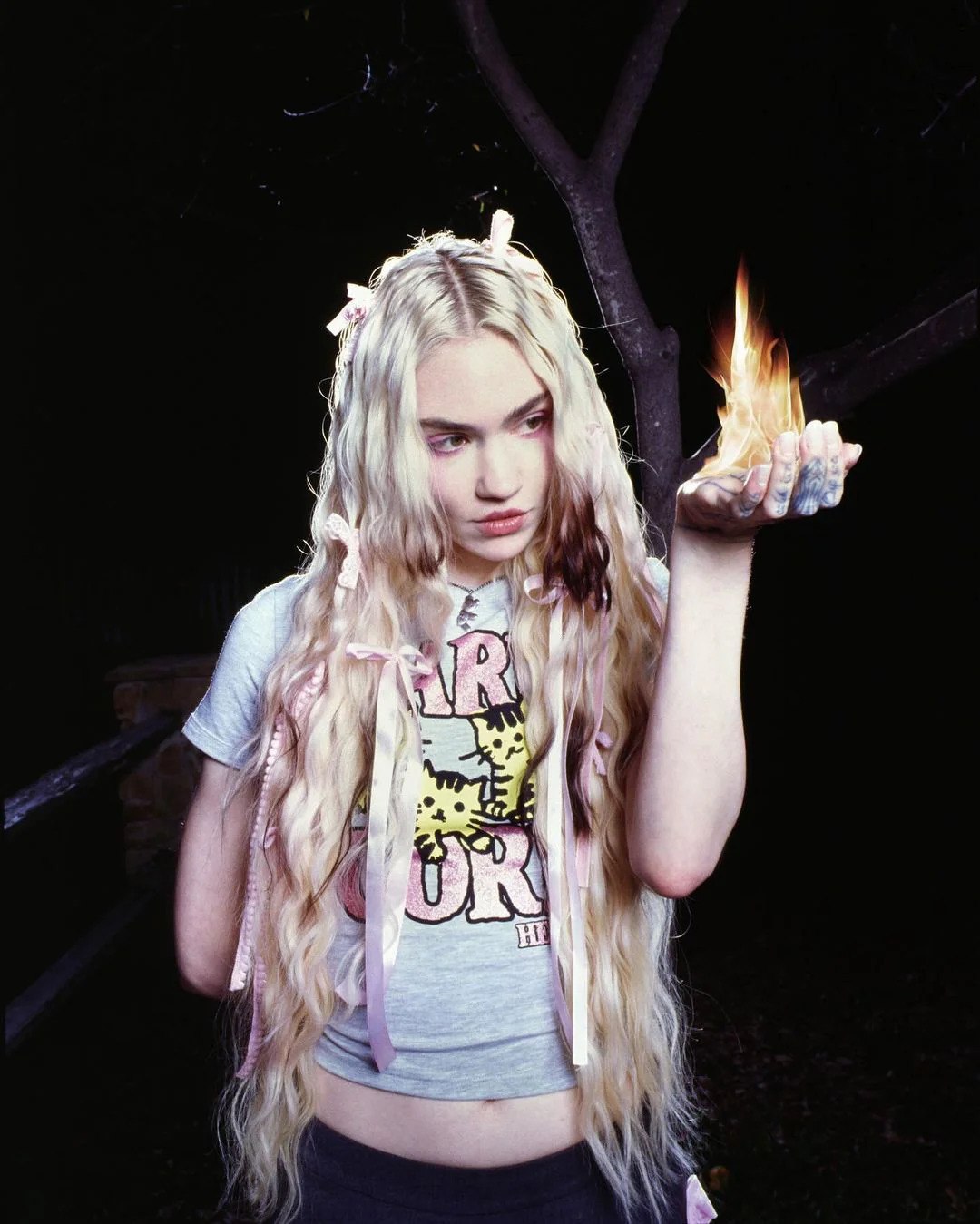

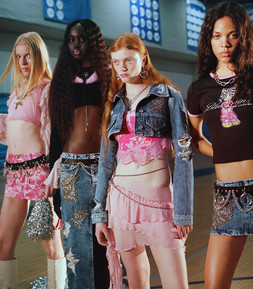
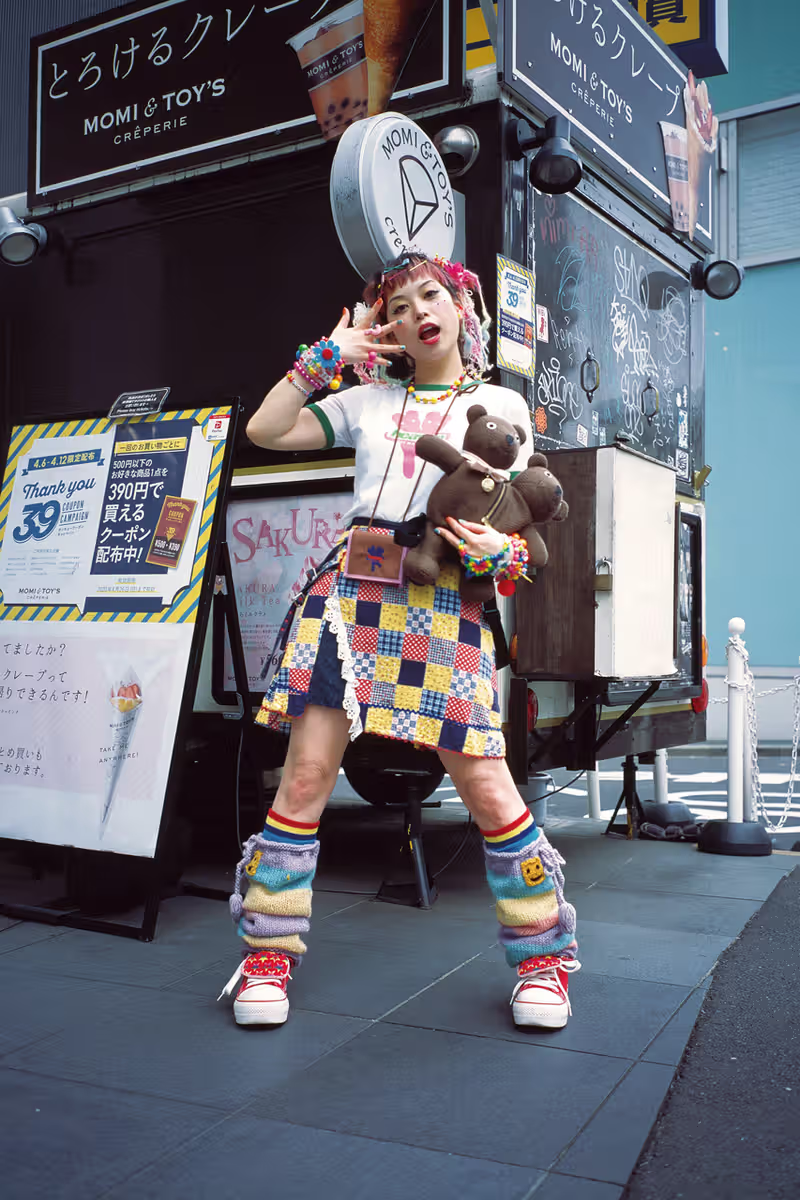
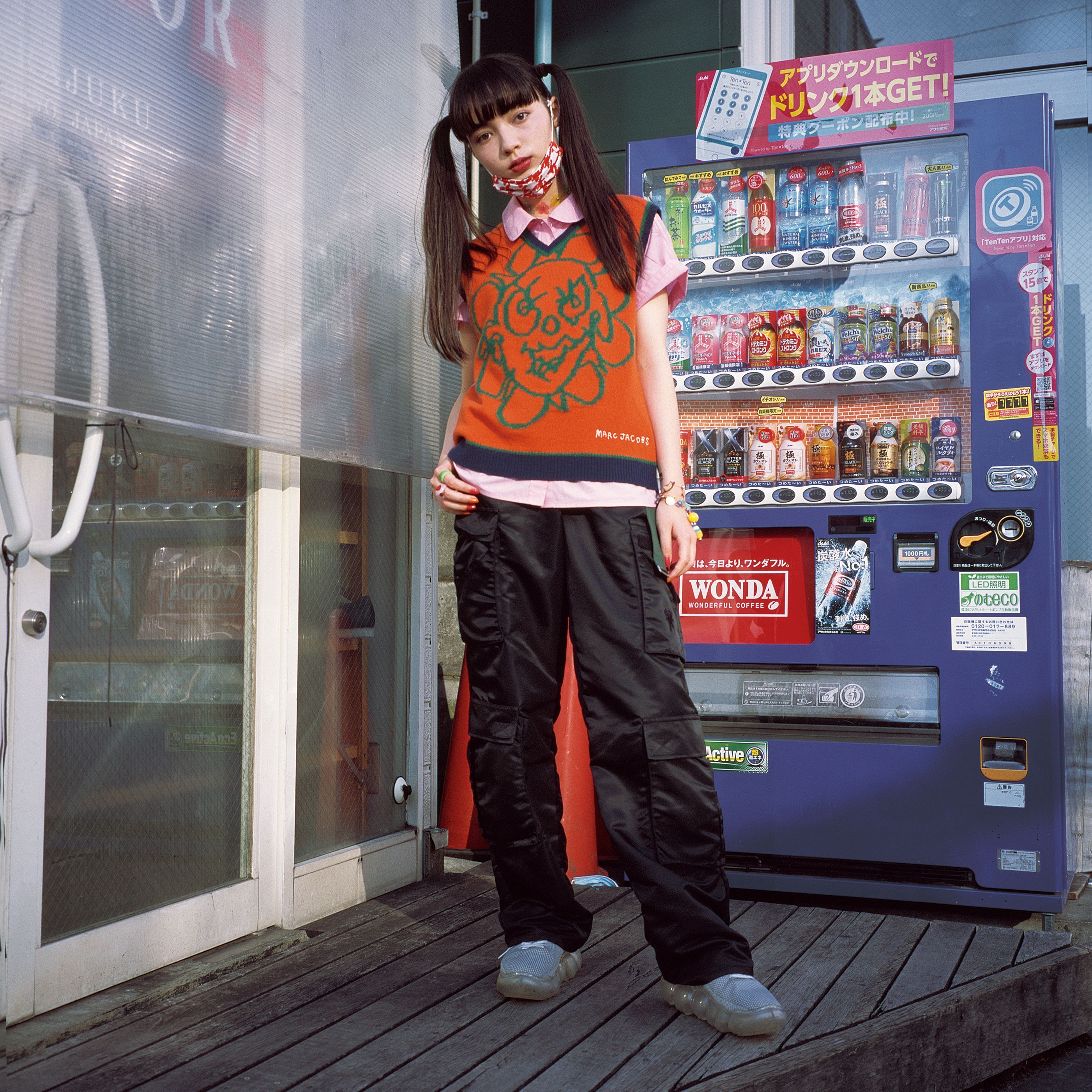
The branding felt intentionally chaotic:
anime graphics
punk references
teenage awkwardness
Tumblr-era nostalgia
Suddenly:Marc Jacobs became relevant to an entirely new generation again.
CELEBRITIES & MUSES: THE WOMEN WHO DEFINED HIS WORLD
Few designers cultivated muses like Marc Jacobs.
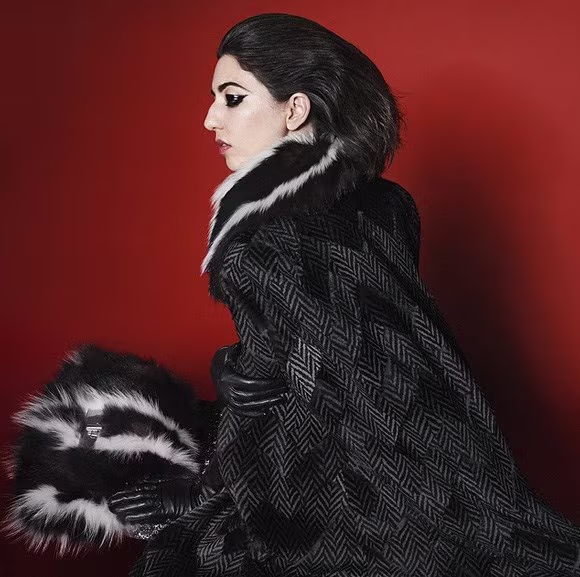
SOFIA COPPOLA
Perhaps his most iconic creative relationship.
Their shared aesthetic language included:
intellectual femininity
understated cool
cinematic nostalgia
Coppola became deeply associated with Louis Vuitton during Jacobs’ era.




WINONA RYDER
Jacobs repeatedly defended and supported Ryder during periods when Hollywood distanced itself from her.
He admired:
imperfection
vulnerability
individuality
qualities that defined many of his muses.
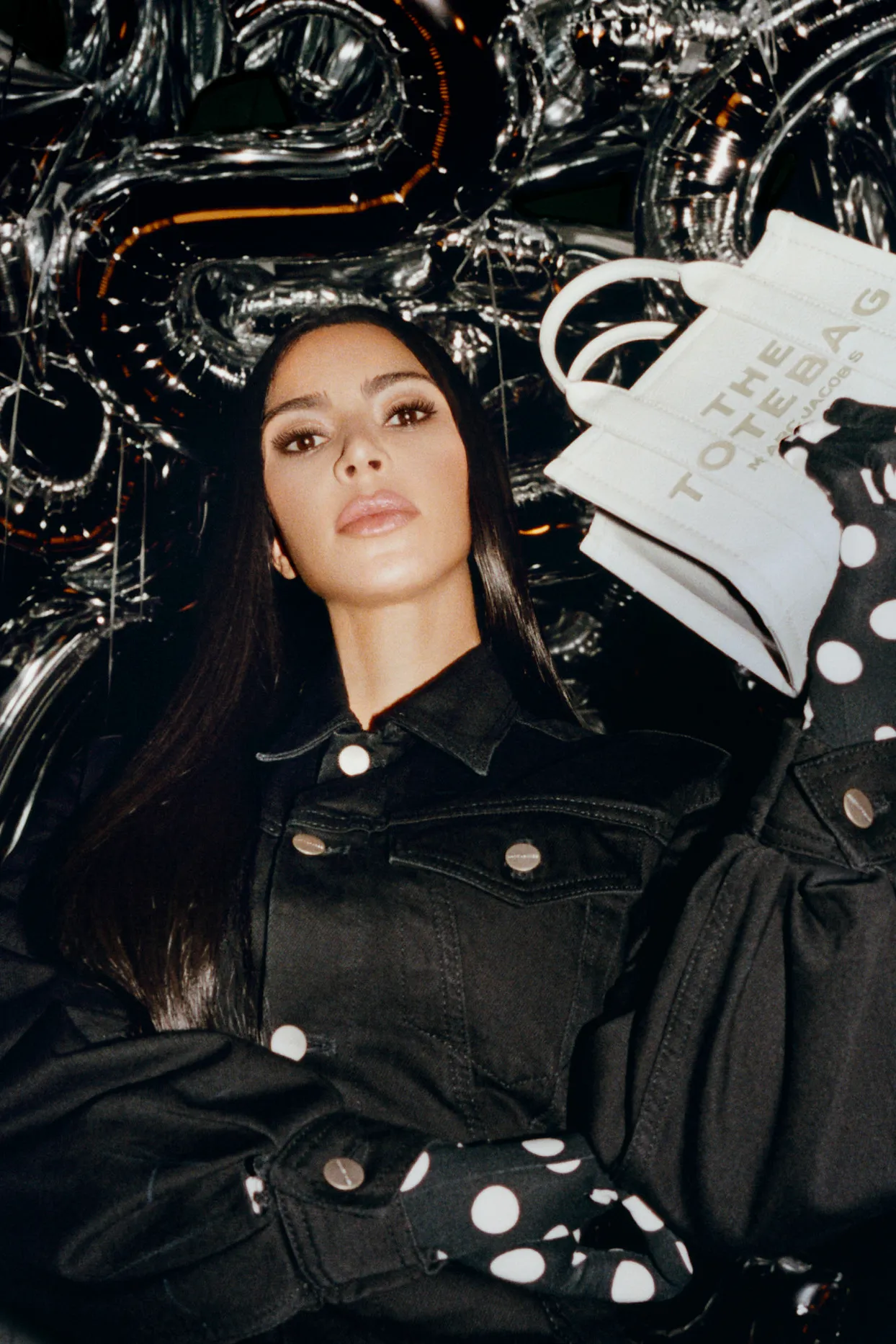
KIM KARDASHIAN & MODERN POP CULTURE
Marc Jacobs increasingly became integrated into celebrity-driven internet fashion culture during the 2010s.
The brand’s:
oversized platforms
grunge references
nostalgic styling
fit naturally into modern social media aesthetics.
THE SCANDALS, ADDICTION AND INDUSTRY PRESSURE
Jacobs’ career was not without darkness.
Throughout the 1990s and early 2000s, he struggled publicly with:
addiction
nightlife excess
mental health pressure
He later entered rehabilitation and openly discussed the emotional intensity of fashion industry expectations.
Unlike many designers who hid vulnerability, Jacobs often spoke candidly about:
insecurity
aging
creative burnout
That honesty made him unusually human within luxury fashion.
WHY FASHION STILL COPIES MARC JACOBS
Modern fashion constantly recycles ideas Jacobs popularized decades ago:
luxury grunge
ironic femininity
ugly-pretty styling
nostalgia marketing
artist collaborations
youth culture as luxury
Before Balenciaga embraced irony,before Miu Miu weaponized awkwardness,before TikTok rediscovered Y2K .
Marc Jacobs had already built entire worlds around those ideas
.
LVMH SOLD THE BRAND
In May 2026, LVMH officially sold Marc Jacobs in a deal reportedly valued between $850 million and $1 billion, ending nearly three decades of ownership that began in 1997 , the same year Jacobs became Creative Director of Louis Vuitton.
The brand was acquired by WHP Global and G-III Apparel Group, while Marc Jacobs remains Creative Director of his label.
Beyond the financial side, the sale became symbolic inside the fashion industry. Many analysts saw it as another sign that modern luxury conglomerates are increasingly prioritizing ultra-profitable mega houses like Louis Vuitton, Dior or Tiffany, while culturally influential but commercially “complex” brands are moving into licensing-focused groups.
For many fashion insiders, it felt like the end of an era:the transition from personality-driven fashion houses to corporate brand ecosystems.
FINAL THOUGHT
Marc Jacobs understood something fashion repeatedly forgets:
Luxury alone is not enough.
People want:
emotion
humor
awkwardness
nostalgia
humanity
They want clothes that feel connected to life itself. That is why Marc Jacobs mattered : Not because he created perfection, he made fashion feel alive.
All images featured in this article are credited to owners . They are used for editorial and illustrative purposes only, with no commercial intent. All rights remain with their respective owners.


